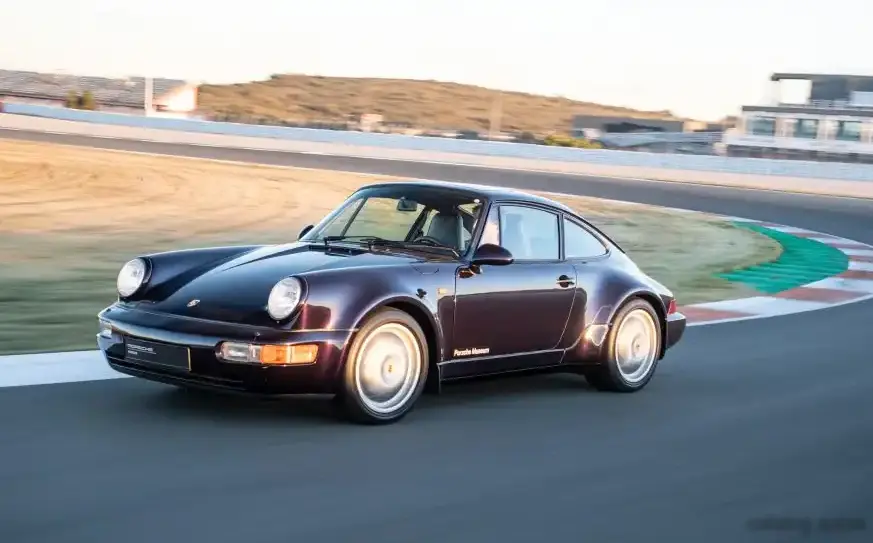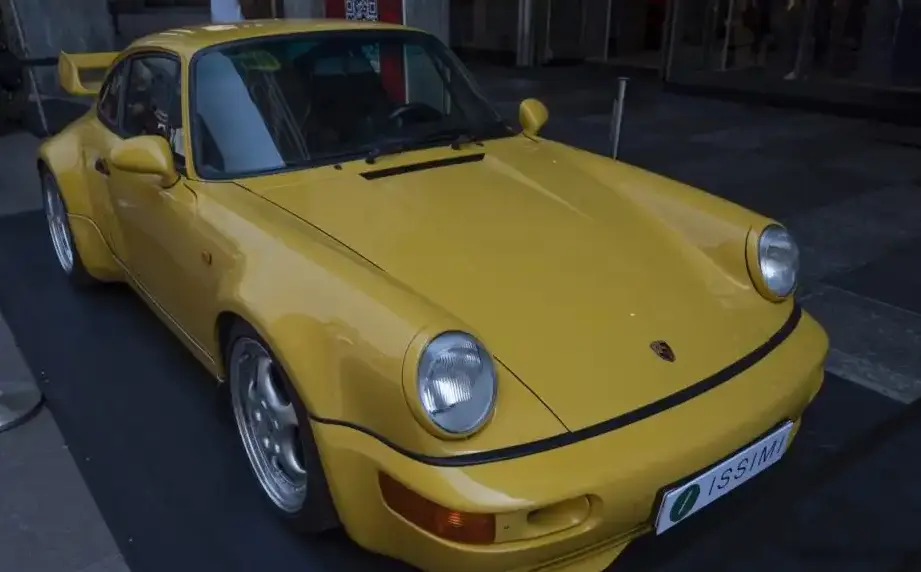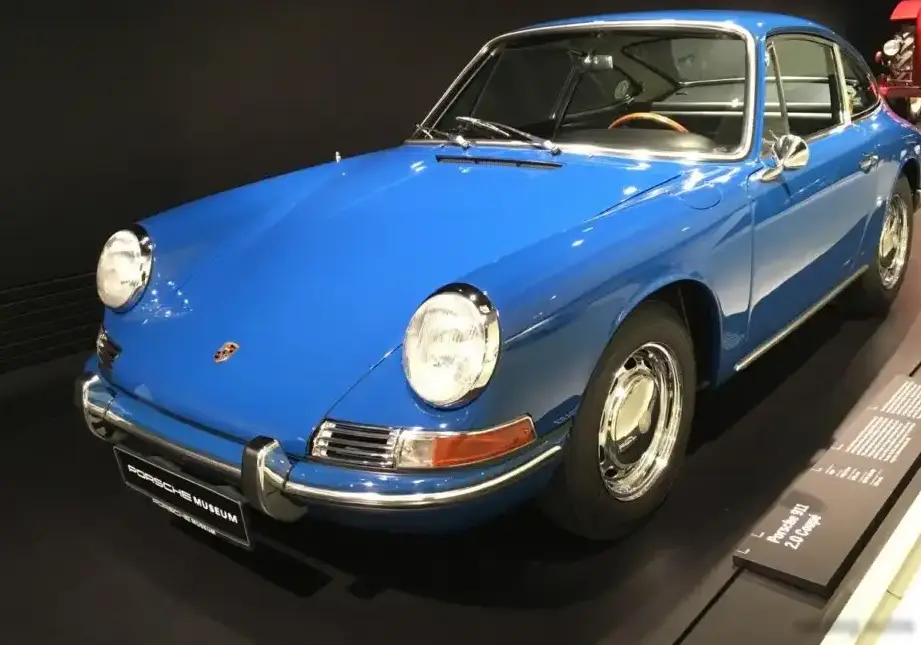
The Porsche 911 Coupe (F) 2.2 S, produced between 1969 and 1972, represents a pivotal evolution in the iconic 911 lineage. Falling within the first generation (911 Coupe (F) – internally designated as the 901 before a Peugeot naming conflict led to the 911 designation), the 2.2 S was positioned as the high-performance variant of the 2.2-liter engine family. It bridged the gap between the base 911 and the more potent, later 2.4 and 2.7-liter models, offering a compelling blend of performance and relative affordability within the Porsche lineup. This model is significant for solidifying the 911’s reputation as a capable sports car and a technological showcase.
Technical Specifications
| Brand | Porsche |
| Model | 911 |
| Generation | 911 Coupe (F) |
| Type (Engine) | 2.2 S (180 Hp) |
| Start of production | 1969 |
| End of production | 1972 |
| Powertrain Architecture | Internal Combustion engine |
| Body type | Coupe |
| Seats | 4 |
| Doors | 2 |
| Fuel consumption (combined) | 10.2 l/100 km (23.1 US mpg, 27.7 UK mpg, 9.8 km/l) |
| Fuel Type | Petrol (Gasoline) |
| Acceleration 0 – 100 km/h | 7.5 sec |
| Acceleration 0 – 62 mph | 7.5 sec |
| Acceleration 0 – 60 mph | 7.1 sec |
| Maximum speed | 230 km/h (142.92 mph) |
| Weight-to-power ratio | 5.7 kg/Hp, 176.5 Hp/tonne |
| Weight-to-torque ratio | 5.1 kg/Nm, 195.1 Nm/tonne |
| Power | 180 Hp @ 6500 rpm |
| Power per litre | 82 Hp/l |
| Torque | 199 Nm @ 5200 rpm (146.77 lb.-ft. @ 5200 rpm) |
| Engine layout | Rear, Longitudinal |
| Engine Model/Code | 911.02 |
| Engine displacement | 2195 cm3 (133.95 cu. in.) |
| Number of cylinders | 6 |
| Engine configuration | Boxer |
| Cylinder Bore | 84 mm (3.31 in.) |
| Piston Stroke | 66 mm (2.6 in.) |
| Compression ratio | 9.8:1 |
| Engine aspiration | Naturally aspirated |
| Engine oil capacity | 10 l (10.57 US qt | 8.8 UK qt) |
| Kerb Weight | 1020 kg (2248.72 lbs.) |
| Max. weight | 1400 kg (3086.47 lbs.) |
| Max load | 380 kg (837.76 lbs.) |
| Trunk (boot) space – maximum | 200 l (7.06 cu. ft.) |
| Fuel tank capacity | 62 l (16.38 US gal | 13.64 UK gal) |
| Permitted trailer load with brakes (12%) | 600 kg (1322.77 lbs.) |
| Permitted trailer load without brakes | 480 kg (1058.22 lbs.) |
| Length | 4163 mm (163.9 in.) |
| Width | 1610 mm (63.39 in.) |
| Height | 1320 mm (51.97 in.) |
| Wheelbase | 2268 mm (89.29 in.) |
| Front track | 1374 mm (54.09 in.) |
| Rear (Back) track | 1355 mm (53.35 in.) |
| Ride height (ground clearance) | 150 mm (5.91 in.) |
| Minimum turning circle (turning diameter) | 10.7 m (35.1 ft.) |
| Drivetrain Architecture | Rear wheel drive |
| Number of gears and type of gearbox | 5 gears, manual transmission |
| Front suspension | Spring Strut, Wishbone |
| Rear suspension | Trailing arm |
| Front brakes | Ventilated discs |
| Rear brakes | Ventilated discs |
| Steering type | Steering rack and pinion |
| Tires size | 185/70 R15 |
| Wheel rims size | 6J x 15 |
INTRODUCTION
The 911 Coupe (F) 2.2 S, produced from 1969 to 1972, was a significant step in the evolution of Porsche’s flagship sports car. It represented the highest performance variant of the 2.2-liter engine available during this period. The “F” designation denotes the series, representing updates to the original 901/911 platform. The 2.2 S sat above the standard 911 and 911T models, offering increased power and a more focused driving experience. It was a key model in establishing the 911’s reputation for both performance and usability.
Powertrain & Engine Architecture
At the heart of the 2.2 S lies the Type 911.02 air-cooled, 2.2-liter flat-six engine. This engine featured a bore of 84mm and a stroke of 66mm, resulting in a displacement of 2195cc. It utilized Bosch mechanical fuel injection – a significant upgrade over the carburetors found on earlier models – contributing to improved power delivery and responsiveness. The engine boasted a compression ratio of 9.8:1. The valvetrain employed overhead camshafts, a hallmark of Porsche engineering. The engine’s longitudinal rear-mounted layout and the use of a dry-sump lubrication system were crucial for maintaining oil supply during spirited driving and cornering. The 2.2 S was exclusively offered with a five-speed manual transmission, providing precise control over the engine’s power. This transmission was known for its robust construction and smooth shifting characteristics.
Driving Characteristics
The 2.2 S offered a noticeably more engaging driving experience than its less powerful siblings. With 180 horsepower on tap, it could accelerate from 0 to 60 mph in approximately 7.1 seconds and achieve a top speed of 143 mph. The five-speed manual transmission allowed drivers to fully exploit the engine’s powerband. Gear ratios were carefully chosen to provide strong acceleration in each gear, while still maintaining reasonable cruising ability. Compared to the standard 911, the 2.2 S felt significantly more responsive and eager to rev. While not as raw or visceral as later 911 models, the 2.2 S provided a balanced and rewarding driving experience that appealed to enthusiasts seeking a blend of performance and refinement.
Equipment & Trim Levels
The 2.2 S was relatively well-equipped for its time, though options were still plentiful. Standard features included comfortable bucket seats, a leather-wrapped steering wheel, and a comprehensive instrument cluster. Interior trim was typically executed in leather or vinyl, with a focus on functionality and durability. Optional extras included a sunroof, power windows, and upgraded audio systems. Exterior options included a variety of paint colors and wheel styles. The 2.2 S was often specified with Fuchs wheels, which became a signature styling element of the early 911s.
Chassis & Braking
The 911 Coupe (F) 2.2 S utilized a robust chassis featuring a monocoque construction. Suspension consisted of independent front suspension with torsion bars and trailing arms at the rear. The 2.2 S benefited from slightly stiffer suspension components compared to the base 911, contributing to improved handling and reduced body roll. Braking was handled by ventilated disc brakes on all four wheels, providing ample stopping power. Steering was via a rack and pinion system, offering precise and responsive control. The car’s relatively light weight (around 2249 lbs) further enhanced its agility and handling characteristics.
Market Reception & Comparison
The 2.2 S was well-received by automotive critics, who praised its performance, handling, and overall refinement. It was often compared favorably to other sports cars of the era, such as the Jaguar E-Type and the Chevrolet Corvette. Compared to the standard 911, the 2.2 S offered a significant performance upgrade, but at a higher price point. The 2.2 S was also more expensive to maintain than the base model, due to its more complex fuel injection system and higher-performance components. However, enthusiasts generally considered the added cost to be worthwhile for the enhanced driving experience.
Legacy
The Porsche 911 Coupe (F) 2.2 S remains a highly sought-after classic car today. Its combination of performance, style, and historical significance has made it a favorite among collectors and enthusiasts. The 911.02 engine is generally considered to be a reliable unit, although regular maintenance is essential to ensure its longevity. Original, well-maintained examples command premium prices in the used car market. The 2.2 S represents a crucial chapter in the 911’s history, showcasing Porsche’s commitment to engineering excellence and its ability to create a truly iconic sports car.