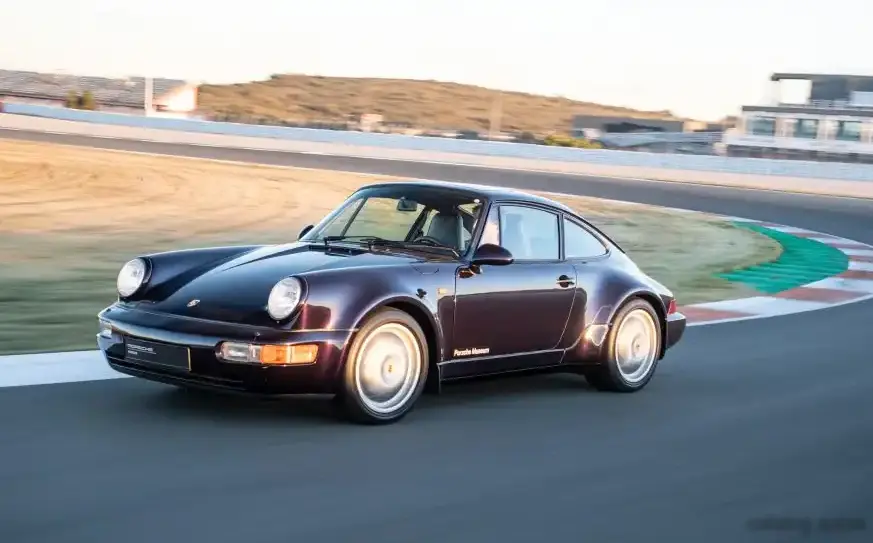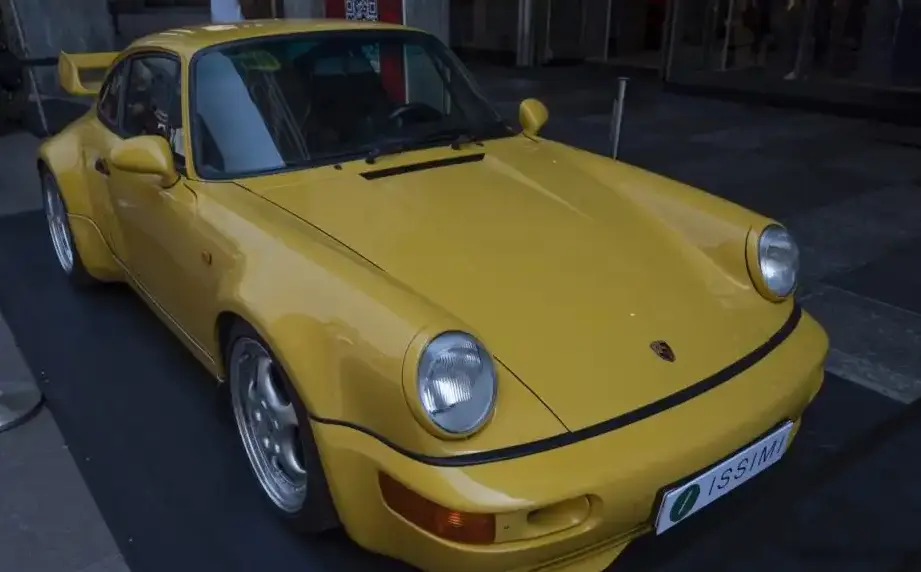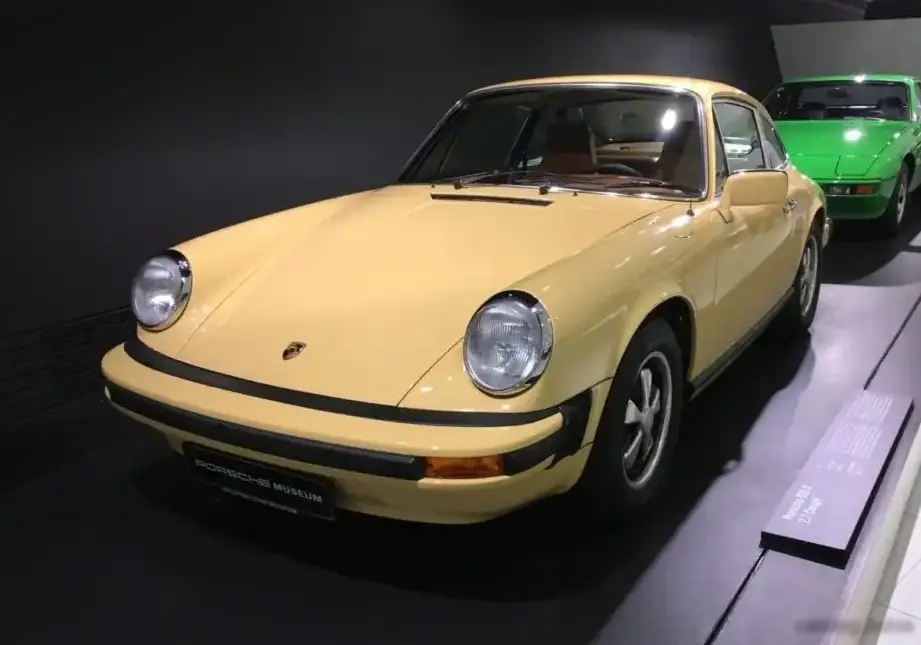
The Porsche 911 Coupe (G) 2.7, produced between 1973 and 1975, represents a pivotal moment in the evolution of Porsche’s iconic sports car. Falling within the “G-Series” (1974-1989) – a significant update to the original 911 – the 2.7-liter variant was introduced as a replacement for the earlier 2.4-liter models. This iteration aimed to balance performance with improved usability and meet increasingly stringent emissions regulations. The 2.7-liter engine was available in both 150 hp and 175 hp configurations, with the 150 hp version often paired with a Sportomatic automatic transmission, making it a more accessible entry point into the 911 range for American buyers.
Technical Specifications
| Brand | Porsche |
| Model | 911 |
| Generation | 911 Coupe (G) |
| Type (Engine) | 2.7 (150 Hp) |
| Start of production | 1973 |
| End of production | 1975 |
| Powertrain Architecture | Internal Combustion engine |
| Body type | Coupe |
| Seats | 4 |
| Doors | 2 |
| Fuel consumption (combined) | 12-14 l/100 km (19.6 – 16.8 US mpg) |
| Fuel Type | Petrol (Gasoline) |
| Acceleration 0 – 100 km/h | 8.5 sec |
| Acceleration 0 – 62 mph | 8.5 sec |
| Acceleration 0 – 60 mph | 8.1 sec |
| Maximum speed | 210 km/h (130.49 mph) |
| Weight-to-power ratio | 7.3 kg/Hp |
| Weight-to-torque ratio | 4.7 kg/Nm |
| Power | 150 Hp @ 5700 rpm |
| Power per litre | 55.8 Hp/l |
| Torque | 235 Nm @ 3800 rpm (173.33 lb.-ft. @ 3800 rpm) |
| Engine layout | Rear, Longitudinal |
| Engine Model/Code | 911.92 |
| Engine displacement | 2687 cm3 (163.97 cu. in.) |
| Number of cylinders | 6 |
| Engine configuration | Boxer |
| Cylinder Bore | 90 mm (3.54 in.) |
| Piston Stroke | 70.4 mm (2.77 in.) |
| Compression ratio | 8:1 |
| Number of valves per cylinder | 2 |
| Fuel injection system | Multi-port manifold injection |
| Engine aspiration | Naturally aspirated engine |
| Valvetrain | SOHC |
| Engine oil capacity | 11 l (11.62 US qt | 9.68 UK qt) |
| Kerb Weight | 1100 kg (2425.08 lbs.) |
| Max. weight | 1340 kg (2954.19 lbs.) |
| Max load | 240 kg (529.11 lbs.) |
| Permitted trailer load with brakes (12%) | 800 kg (1763.7 lbs.) |
| Permitted trailer load without brakes | 480 kg (1058.22 lbs.) |
| Length | 4291 mm (168.94 in.) |
| Width | 1610 mm (63.39 in.) |
| Height | 1320 mm (51.97 in.) |
| Wheelbase | 2271 mm (89.41 in.) |
| Front track | 1360 mm (53.54 in.) |
| Rear (Back) track | 1345 mm (52.95 in.) |
| Front overhang | 932 mm (36.69 in.) |
| Rear overhang | 1088 mm (42.83 in.) |
| Drivetrain Architecture | Rear wheel drive |
| Number of gears and type of gearbox | 5 gears, manual transmission |
| Front suspension | Spring Strut, Wishbone |
| Rear suspension | Trailing arm |
| Front brakes | Ventilated discs |
| Rear brakes | Ventilated discs |
| Steering type | Steering rack and pinion |
| Wheel rims size | 5.5J x 15 |
Powertrain & Engine Architecture
The heart of the 911 Coupe (G) 2.7 is its 2687cc air-cooled, flat-six “boxer” engine. The engine code 911.92 designates this specific variant. Unlike later 911s, this engine utilized a mechanical fuel injection system – specifically, Bosch mechanical fuel injection (MFI). This system, while complex, offered precise fuel delivery and contributed to the engine’s responsive nature. The 8:1 compression ratio was a compromise to allow the engine to run on lower octane fuel, increasingly important during the 1970s fuel crisis. The single overhead camshaft (SOHC) design, with two valves per cylinder, was a hallmark of Porsche engineering at the time. The 150 hp output was achieved through a combination of optimized porting, camshaft timing, and the MFI system. The Sportomatic transmission, a four-speed semi-automatic, was a popular option, offering a degree of convenience without the full disconnect of a traditional automatic. It used a torque converter and planetary gearsets, but allowed for manual gear selection via a floor-mounted shifter.
Driving Characteristics
The 911 Coupe (G) 2.7 with the 150 hp engine and Sportomatic transmission offered a unique driving experience. While not as overtly powerful as the later 2.7 RS or the 911 Carrera RS, it provided a smooth and tractable power delivery. The Sportomatic transmission, while not as quick-shifting as a manual, offered a comfortable driving experience, particularly in city traffic. Acceleration to 60 mph took approximately 8.1 seconds, respectable for the era. The rear-engine layout and relatively light weight (around 2425 lbs) contributed to the 911’s distinctive handling characteristics – a tendency towards oversteer that required driver awareness and skill. Compared to the manual transmission versions, the Sportomatic models felt slightly less engaging, but were appreciated by drivers seeking a more relaxed driving experience.
Equipment & Trim Levels
The 150 hp 2.7-liter 911 Coupe occupied a middle ground in the G-Series lineup. Standard equipment included comfortable cloth seats, a leather-wrapped steering wheel, and basic instrumentation. Optional extras were plentiful, allowing buyers to customize their cars to their preferences. These included power windows, a sunroof, upgraded sound systems, and various interior trim options. The base interior was relatively spartan, but well-built and functional. The exterior was typically finished in a range of solid colors, with metallic paints available at an extra cost. The 911’s interior design remained largely consistent throughout the G-Series, with minor updates to the dashboard layout and instrumentation.
Chassis & Braking
The 911 Coupe (G) utilized a robust chassis with independent suspension all around. The front suspension featured spring struts and wishbones, while the rear employed a trailing arm design. This setup provided a good balance of ride comfort and handling precision. Braking was handled by ventilated disc brakes on all four wheels, offering adequate stopping power for the car’s performance capabilities. Steering was via a rack and pinion system, providing precise and responsive control. The 15-inch wheels were typically fitted with 185/80R15 tires, providing good grip and stability.
Market Reception & Comparison
The 150 hp 2.7-liter 911 Coupe was generally well-received by automotive critics. It was praised for its smooth engine, comfortable ride, and distinctive handling. However, some critics noted that it lacked the outright performance of the more powerful 911 Carrera RS. Compared to the 2.4-liter models it replaced, the 2.7 offered improved torque and overall drivability. Fuel economy was around 19.6 – 16.8 US mpg, which was typical for a sports car of that era. Reliability was generally good, although the mechanical fuel injection system required periodic maintenance and adjustment. The Sportomatic transmission, while convenient, was sometimes criticized for its lack of responsiveness.
Legacy
The Porsche 911 Coupe (G) 2.7, particularly the 150 hp variant, remains a desirable classic car today. Its relatively accessible price point and ease of maintenance have made it a popular choice for enthusiasts. The engine, while not the most powerful 911 powerplant, is known for its durability and smooth operation. Well-maintained examples command strong prices in the used car market. The 2.7-liter 911 represents a significant chapter in the 911’s history, bridging the gap between the original 911 and the more modern, technologically advanced models that followed. The Sportomatic transmission, while not universally loved, adds a unique character to these cars, making them stand out from their manual transmission counterparts.