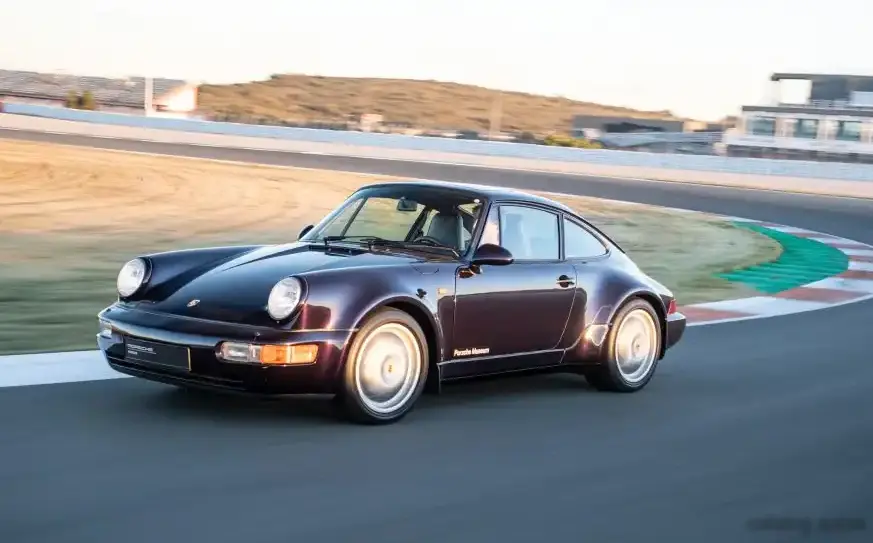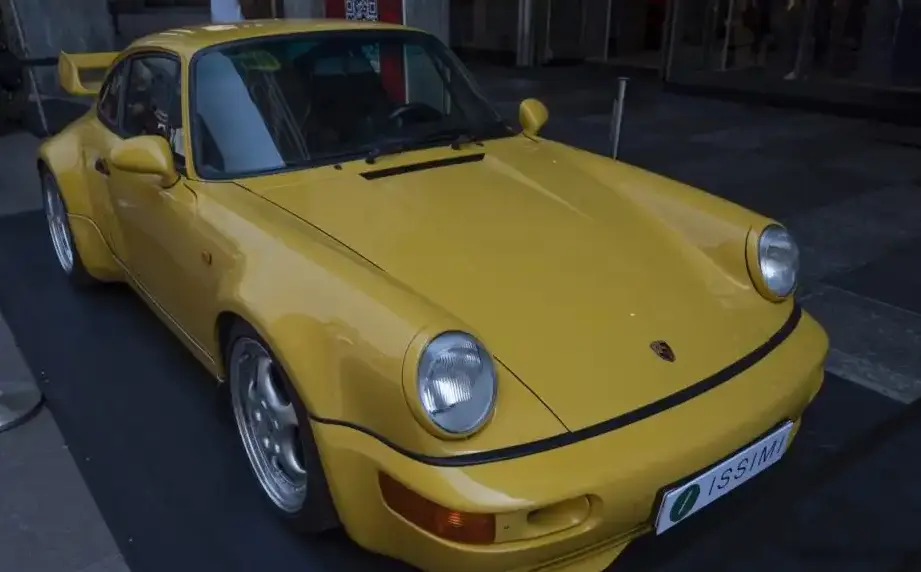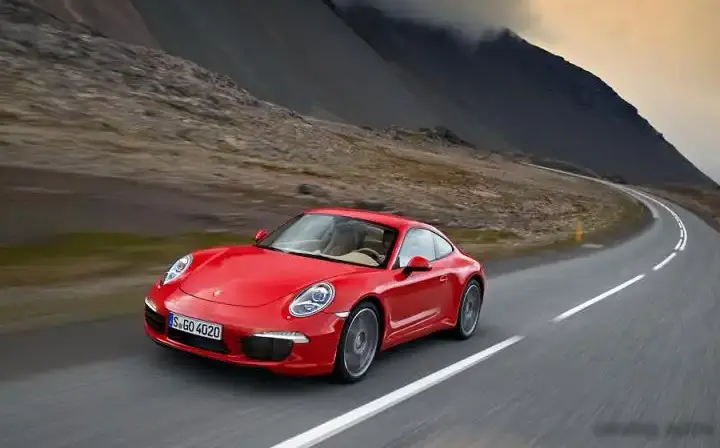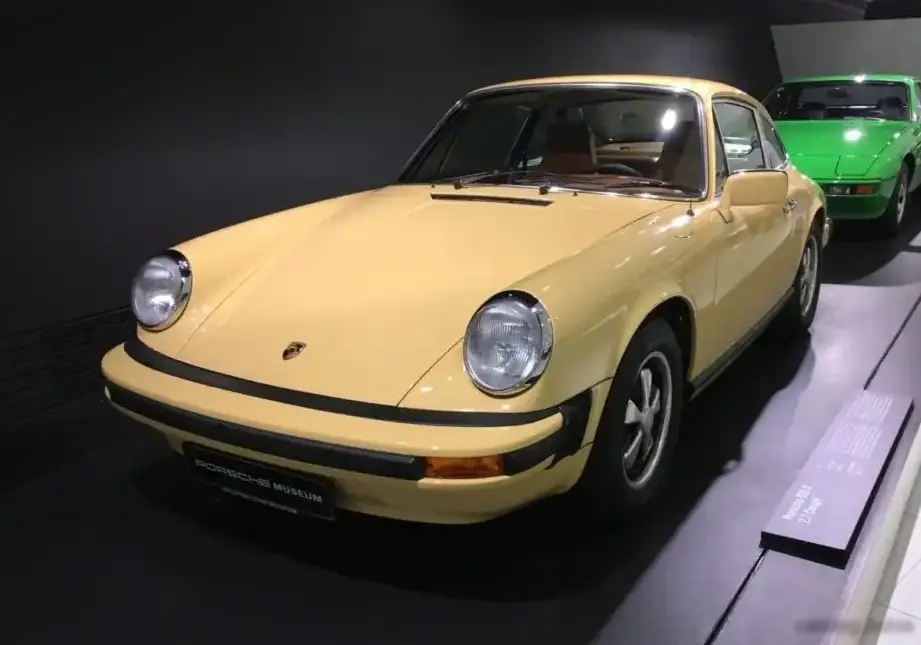
The Porsche 911 Coupe (G) 2.7, produced between May 1975 and 1977, represents a pivotal moment in the evolution of Porsche’s iconic sports car. Falling within the ‘G-Series’ (1974-1989) of the 911, this 2.7-liter variant was introduced as a replacement for the earlier 2.4-liter models, offering increased displacement and power. It served as a mid-range offering in the 911 lineup, positioned above the base 2.4-liter models but below the more potent 911 Carrera 3.0 introduced later in the G-Series run. The 2.7-liter engine aimed to provide a balance of performance and usability, appealing to a broader customer base while retaining the 911’s signature driving experience.
Technical Specifications
| Brand | Porsche |
| Model | 911 |
| Generation | 911 Coupe (G) |
| Type (Engine) | 2.7 (165 Hp) |
| Start of production | May, 1975 |
| End of production | 1977 |
| Powertrain Architecture | Internal Combustion engine |
| Body type | Coupe |
| Seats | 4 |
| Doors | 2 |
| Fuel Type | Petrol (Gasoline) |
| Maximum speed | 215 km/h (133.59 mph) |
| Weight-to-power ratio | 6.7 kg/Hp, 150 Hp/tonne |
| Weight-to-torque ratio | 4.7 kg/Nm, 213.6 Nm/tonne |
| Power | 165 Hp @ 5800 rpm |
| Power per litre | 61.4 Hp/l |
| Torque | 235 Nm @ 4000 rpm (173.33 lb.-ft. @ 4000 rpm) |
| Maximum engine speed | 6500 rpm |
| Engine layout | Rear, Longitudinal |
| Engine Model/Code | 911.81 |
| Engine displacement | 2687 cm3 (163.97 cu. in.) |
| Number of cylinders | 6 |
| Engine configuration | Boxer |
| Cylinder Bore | 90 mm (3.54 in.) |
| Piston Stroke | 70.4 mm (2.77 in.) |
| Compression ratio | 8.5:1 |
| Fuel injection system | Multi-port manifold injection |
| Engine aspiration | Naturally aspirated engine |
| Valvetrain | SOHC |
| Engine oil capacity | 10 l (10.57 US qt | 8.8 UK qt) |
| Kerb Weight | 1100 kg (2425.08 lbs.) |
| Max. weight | 1380 kg (3042.38 lbs.) |
| Max load | 280 kg (617.29 lbs.) |
| Fuel tank capacity | 85 l (22.45 US gal | 18.7 UK gal) |
| Permitted trailer load with brakes (12%) | 800 kg (1763.7 lbs.) |
| Permitted trailer load without brakes | 480 kg (1058.22 lbs.) |
| Length | 4291 mm (168.94 in.) |
| Width | 1610 mm (63.39 in.) |
| Height | 1320 mm (51.97 in.) |
| Wheelbase | 2271 mm (89.41 in.) |
| Front track | 1372 mm (54.02 in.) |
| Rear (Back) track | 1345 mm (52.95 in.) |
| Front overhang | 932 mm (36.69 in.) |
| Rear overhang | 1088 mm (42.83 in.) |
| Drivetrain Architecture | The Internal combustion engine (ICE) drives the rear wheels of the vehicle. |
| Drive wheel | Rear wheel drive |
| Number of gears and type of gearbox | 5 gears, manual transmission |
| Front suspension | Spring Strut, Wishbone |
| Rear suspension | Trailing arm |
| Front brakes | Ventilated discs |
| Rear brakes | Ventilated discs |
| Steering type | Steering rack and pinion |
| Tires size | Front wheel tires: 185/70 R15Rear wheel tires: 215/R15 |
| Wheel rims size | Front wheel rims: 7J x 15Rear wheel rims: 8J x 15 |
Powertrain & Engine Architecture
The heart of the 911 Coupe 2.7 is the 911.81 engine, a 2687cc air-cooled, naturally aspirated flat-six (boxer) engine. This engine represented a significant step up from the earlier 2.4-liter units, featuring a larger displacement achieved through an increased bore and stroke. The engine utilized Bosch K-Jetronic mechanical fuel injection, a system known for its reliability and precise fuel delivery. This system replaced the previous fuel injection setups, contributing to improved performance and reduced emissions. The single overhead camshaft (SOHC) design operated the two valves per cylinder. The engine’s rear-mounted, longitudinal configuration was a defining characteristic of the 911, influencing its handling dynamics. The 5-speed manual transmission was standard, providing a direct connection between the engine and the rear wheels.
Driving Characteristics
The 165 horsepower and 173 lb-ft of torque produced by the 2.7-liter engine delivered a spirited, yet manageable driving experience. While not as overtly powerful as later Carrera models, the 2.7 offered a broad torque curve, making it responsive in everyday driving situations. Acceleration from 0 to 60 mph took approximately 8.5-9 seconds, and the car could reach a top speed of around 133.6 mph. Compared to the 2.4-liter 911s, the 2.7 provided noticeably more power and improved mid-range acceleration. However, it lacked the outright performance of the later 3.0-liter Carrera. The rear-engine layout and relatively soft suspension (compared to later, more track-focused 911s) resulted in a characteristic handling balance, requiring driver awareness and skill, particularly when approaching the limits of adhesion. The 5-speed manual transmission offered precise shifts, enhancing driver engagement.
Equipment & Trim Levels
The 911 Coupe 2.7 was generally well-equipped for its time, though options were plentiful. Standard features included comfortable cloth seats, a leather-wrapped steering wheel, and a basic stereo system. Interior trim was relatively understated, reflecting the 911’s focus on driving experience rather than outright luxury. Optional extras included power windows, a sunroof, air conditioning, and upgraded sound systems. The exterior was typically finished in a range of solid colors, with metallic paints available at an extra cost. The Fuchs wheels, a signature Porsche design, were often specified as an option, adding to the car’s visual appeal.
Chassis & Braking
The 911 Coupe 2.7 utilized a robust chassis featuring independent suspension all around. The front suspension employed a combination of spring struts and wishbones, while the rear suspension utilized a trailing arm design. This setup provided a good balance of ride comfort and handling precision. Braking duties were handled by ventilated disc brakes on all four wheels, offering adequate stopping power for the car’s performance capabilities. Steering was via a rack and pinion system, providing precise and responsive control. The car’s relatively light weight (around 2425 lbs) contributed to its agile handling characteristics.
Market Reception & Comparison
The 911 Coupe 2.7 was generally well-received by automotive critics. It was praised for its improved performance over the earlier 2.4-liter models, its refined engine, and its engaging driving experience. However, some critics noted that it lacked the outright performance of more expensive sports cars. Compared to the 2.4-liter 911s, the 2.7 offered better fuel economy and slightly improved reliability. Compared to the later 3.0-liter Carrera, the 2.7 was more affordable and accessible, appealing to a wider range of buyers. The 2.7’s combination of performance, usability, and relative affordability made it a popular choice among Porsche enthusiasts.
Legacy
The Porsche 911 Coupe 2.7 holds a significant place in the 911’s history. It represented a crucial step in the evolution of the model, bridging the gap between the earlier, more delicate 911s and the later, more powerful and sophisticated versions. The 2.7-liter engine proved to be relatively durable, and well-maintained examples continue to provide reliable performance today. In the used car market, the 911 Coupe 2.7 is highly sought after by collectors and enthusiasts, commanding premium prices for well-preserved examples. Its blend of classic Porsche styling, engaging driving dynamics, and relative affordability ensures its continued appeal for years to come. The 911 2.7 is often considered a sweet spot in the G-Series lineup, offering a genuine Porsche experience without the high cost of entry associated with the Carrera models.