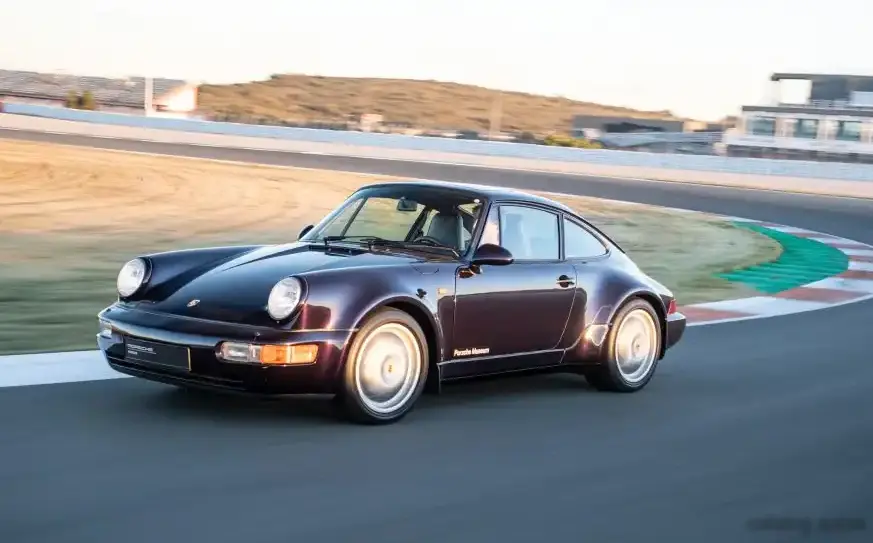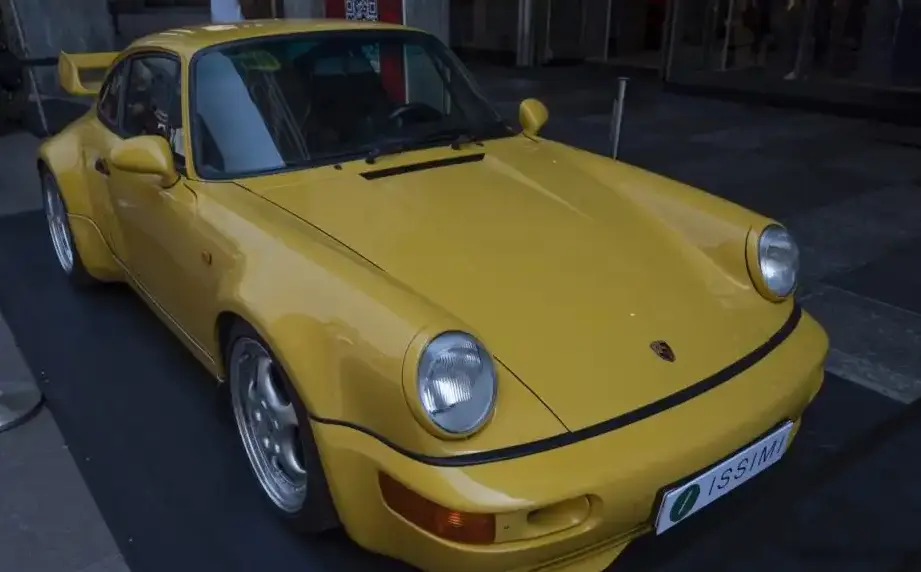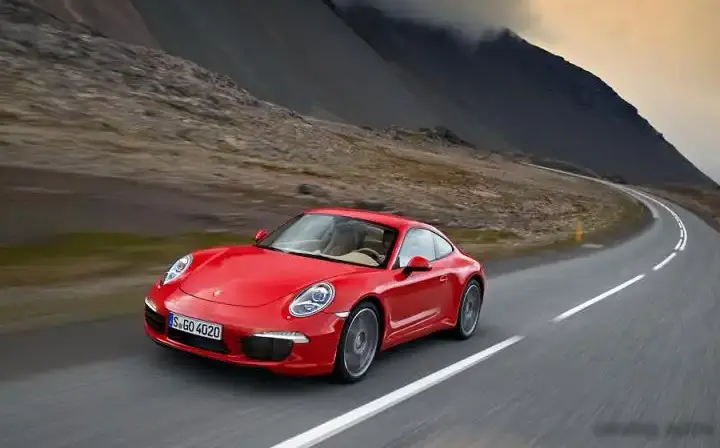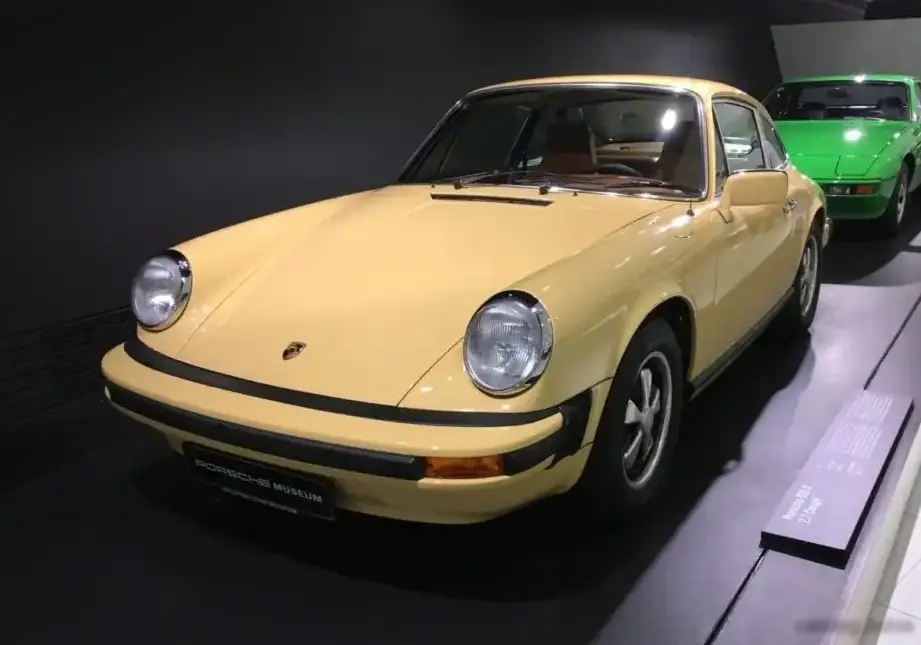
The Porsche 911 Coupe (G) 3.2 Carrera CAT, produced from 1986 to 1989, represents a pivotal point in the evolution of Porsche’s iconic sports car. This model, part of the G-Series (1974-1989) which itself was an evolution of the original 911, was the last of the air-cooled 911s before the introduction of water cooling. The 3.2 Carrera CAT was positioned as the mainstream, high-performance variant of the 911 lineup, bridging the gap between the more basic Carrera models and the higher-spec Turbo variants. It was a significant seller for Porsche, offering a blend of classic 911 driving experience with improved refinement and power.
Technical Specifications
| Brand | Porsche |
| Model | 911 |
| Generation | 911 Coupe (G) |
| Type (Engine) | 3.2 Carrera CAT (217 Hp) |
| Start of production | 1986 |
| End of production | 1989 |
| Powertrain Architecture | Internal Combustion engine |
| Body type | Coupe |
| Seats | 4 |
| Doors | 2 |
| Fuel consumption (urban) | 14.9 l/100 km (15.8 US mpg / 19 UK mpg) |
| Fuel consumption (extra urban) | 7.9 l/100 km (29.8 US mpg / 35.8 UK mpg) |
| Fuel Type | Petrol (Gasoline) |
| Acceleration 0 – 100 km/h | 6.3 sec |
| Acceleration 0 – 62 mph | 6.3 sec |
| Acceleration 0 – 60 mph | 6 sec |
| Maximum speed | 240 km/h (149.13 mph) |
| Weight-to-power ratio | 5.6 kg/Hp |
| Weight-to-torque ratio | 4.6 kg/Nm |
| Power | 217 Hp @ 5900 rpm |
| Power per litre | 68.6 Hp/l |
| Torque | 265 Nm @ 4800 rpm (195.45 lb.-ft. @ 4800 rpm) |
| Engine layout | Rear, Longitudinal |
| Engine Model/Code | 930.25 |
| Engine displacement | 3164 cm3 (193.08 cu. in.) |
| Number of cylinders | 6 |
| Engine configuration | Boxer |
| Cylinder Bore | 95 mm (3.74 in.) |
| Piston Stroke | 74.4 mm (2.93 in.) |
| Compression ratio | 9.5:1 |
| Number of valves per cylinder | 2 |
| Fuel injection system | Multi-port manifold injection |
| Engine aspiration | Naturally aspirated engine |
| Valvetrain | SOHC |
| Engine oil capacity | 10 l (10.57 US qt | 8.8 UK qt) |
| Kerb Weight | 1210 kg (2667.59 lbs.) |
| Max. weight | 1530 kg (3373.07 lbs.) |
| Max load | 320 kg (705.48 lbs.) |
| Fuel tank capacity | 85 l (22.45 US gal | 18.7 UK gal) |
| Length | 4291 mm (168.94 in.) |
| Width | 1652 mm (65.04 in.) |
| Height | 1320 mm (51.97 in.) |
| Wheelbase | 2272 mm (89.45 in.) |
| Front track | 1372 mm (54.02 in.) |
| Rear (Back) track | 1405 mm (55.31 in.) |
| Ride height (ground clearance) | 130 mm (5.12 in.) |
| Minimum turning circle | 10.35 m (33.96 ft.) |
| Drivetrain Architecture | Rear wheel drive |
| Number of gears | 5 gears, manual transmission |
Powertrain & Engine Architecture
The heart of the 3.2 Carrera CAT is the 930.25 engine, a 3.2-liter flat-six (boxer) engine. This engine represented a significant upgrade over the earlier 3.0-liter Carrera, offering increased displacement and improved performance. The ‘CAT’ designation refers to the catalytic converter, mandated in many markets during this period to reduce emissions. The engine utilizes Bosch Motronic fuel injection, a sophisticated system for its time, providing precise fuel metering and ignition control. The single overhead camshaft (SOHC) design, while relatively simple, proved remarkably durable. The engine’s dry-sump lubrication system, a hallmark of Porsche engineering, ensures consistent oil supply even under extreme cornering forces. The 3.2 Carrera exclusively came with a 5-speed manual transmission, known for its precise shift feel and robust construction. This transmission was a key component in delivering the engine’s power to the rear wheels.
Driving Characteristics
The 3.2 Carrera CAT offers a distinctly analog driving experience. The 217 horsepower, while not overwhelming by modern standards, provides ample power for spirited driving. Acceleration from 0-60 mph takes approximately 6 seconds, and the car can reach a top speed of 149 mph. The engine delivers a broad torque curve, making it responsive at various engine speeds. The rear-wheel-drive layout and relatively lightweight construction (around 2668 lbs) contribute to excellent handling balance. Compared to the earlier 3.0 Carrera, the 3.2 offered a noticeable improvement in both power and torque, resulting in a more effortless driving experience. Compared to the 911 Turbo, the 3.2 Carrera provides a more accessible and predictable driving experience, lacking the turbo lag and requiring less driver skill to extract performance.
Equipment & Trim Levels
The 3.2 Carrera CAT was relatively well-equipped for its time, though options were plentiful. Standard features included power windows, central locking, and a basic stereo system. Interior upholstery typically consisted of cloth or leatherette, with full leather being an optional extra. The dashboard layout was functional and driver-focused, with clearly marked gauges. Popular options included a sunroof, limited-slip differential, sport seats, and upgraded audio systems. The car was available in a variety of exterior colors, with many buyers opting for classic Porsche shades like Guards Red, Black, and Silver.
Chassis & Braking
The 911 Coupe (G) 3.2 Carrera CAT utilizes a torsion bar suspension system, a design Porsche had refined over decades. This system provides a good balance of ride comfort and handling performance. The front suspension features spring struts and wishbones, while the rear utilizes trailing arms. Braking duties are handled by ventilated disc brakes on all four wheels, providing ample stopping power. Anti-lock braking system (ABS) was an optional extra, enhancing safety in slippery conditions. The car’s relatively low weight contributes to its agile handling characteristics.
Market Reception & Comparison
The 3.2 Carrera CAT was well-received by automotive critics and enthusiasts alike. It was praised for its improved performance, refinement, and overall driving experience compared to earlier 911 models. Fuel economy, while not a primary concern for 911 buyers, was reasonable for a sports car of its era, averaging around 16 mpg in mixed driving. Compared to the 911 Turbo, the 3.2 Carrera offered a more accessible and less intimidating driving experience, making it a popular choice for those seeking a high-performance sports car without the complexities of turbocharging. Reliability was generally good, although maintenance costs could be high due to the car’s complex engineering and the need for specialized Porsche service.
Legacy
The Porsche 911 Coupe (G) 3.2 Carrera CAT holds a special place in Porsche history as the last of the air-cooled 911s. These cars are highly sought after by collectors and enthusiasts today, commanding premium prices in the used car market. The 3.2 Carrera’s robust engine and relatively simple mechanicals contribute to its long-term reliability, making it a viable option for those seeking a classic Porsche to drive and enjoy. The car’s timeless design and engaging driving experience continue to appeal to a wide range of drivers, ensuring its enduring legacy as one of the greatest sports cars of all time.