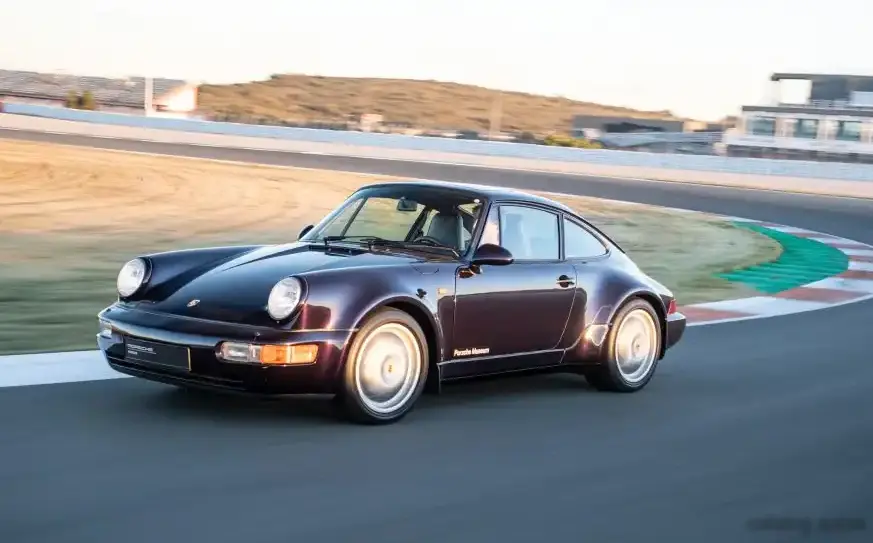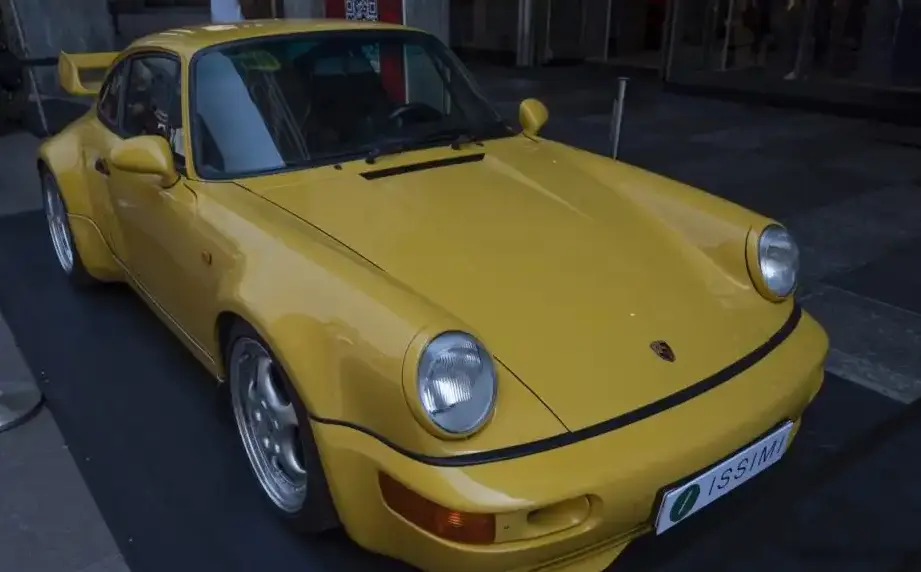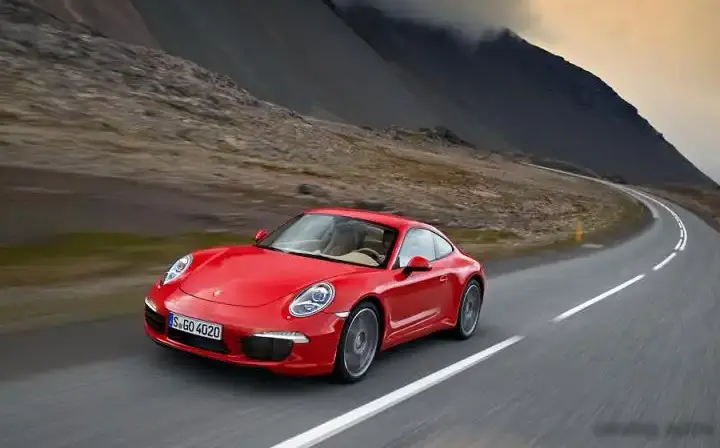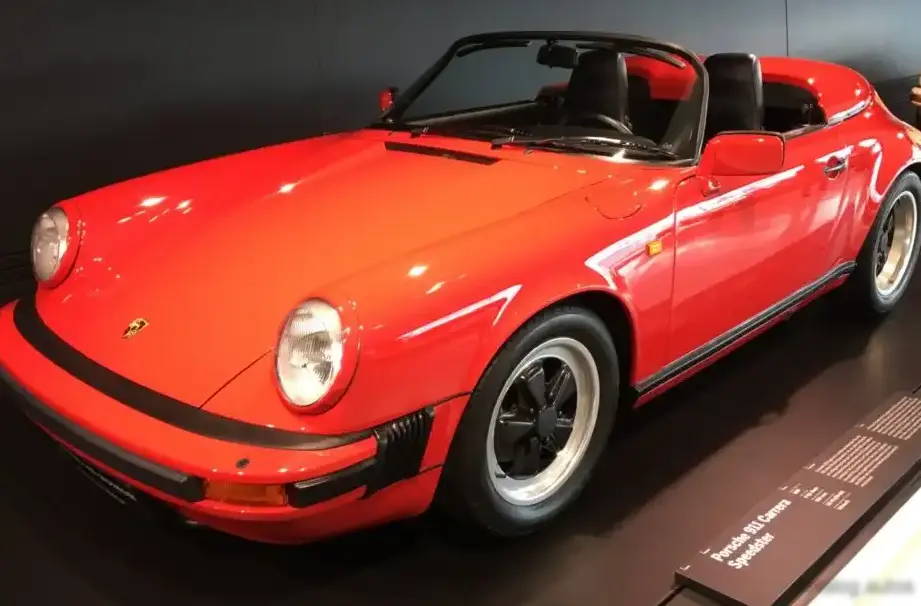
The Porsche 911 Speedster 3.6, equipped with the Tiptronic automatic transmission, represents a unique and highly sought-after iteration of the iconic 911 lineage. Produced for the 1989 model year only, it marked the final flourish of the G-Series (911) before the introduction of the 964 generation. This open-top variant combined the performance of the 3.6-liter flat-six engine with the convenience of Porsche’s then-new Tiptronic system, offering a blend of classic 911 driving experience and modern technology. It was positioned as a premium, limited-production model, appealing to enthusiasts seeking a distinctive and engaging sports car.
Technical Specifications
| Brand | Porsche |
| Model | 911 |
| Generation | 911 Speedster |
| Type (Engine) | 3.6 (250 Hp) Tiptronic |
| Start of production | 1989 |
| End of production | 1989 |
| Powertrain Architecture | Internal Combustion engine |
| Body type | Cabriolet |
| Seats | 2 |
| Doors | 2 |
| Fuel consumption (economy) – urban | 17.1 l/100 km (13.8 US mpg, 16.5 UK mpg, 5.8 km/l) |
| Fuel consumption (economy) – extra urban | 7.8 l/100 km (30.2 US mpg, 36.2 UK mpg, 12.8 km/l) |
| Fuel Type | Petrol (Gasoline) |
| Acceleration 0 – 100 km/h | 5.7 sec |
| Acceleration 0 – 62 mph | 5.7 sec |
| Acceleration 0 – 60 mph | 5.4 sec |
| Maximum speed | 260 km/h (161.56 mph) |
| Weight-to-power ratio | 5.4 kg/Hp, 185.2 Hp/tonne |
| Weight-to-torque ratio | 4.4 kg/Nm, 229.6 Nm/tonne |
| Power | 250 Hp @ 6100 rpm |
| Power per litre | 69.4 Hp/l |
| Torque | 310 Nm @ 4800 rpm (228.64 lb.-ft. @ 4800 rpm) |
| Engine layout | Rear, Longitudinal |
| Engine Model/Code | M64.02 |
| Engine displacement | 3600 cm3 (219.69 cu. in.) |
| Number of cylinders | 6 |
| Cylinder Bore | 100 mm (3.94 in.) |
| Piston Stroke | 76.4 mm (3.01 in.) |
| Compression ratio | 11.3:1 |
| Number of valves per cylinder | 2 |
| Fuel injection system | Multi-port manifold injection |
| Engine aspiration | Naturally aspirated engine |
| Valvetrain | SOHC |
| Engine oil capacity | 11.5 l (12.15 US qt, 10.12 UK qt) |
| Kerb Weight | 1350 kg (2976.24 lbs.) |
| Max. weight | 1600 kg (3527.4 lbs.) |
| Max load | 250 kg (551.16 lbs.) |
| Fuel tank capacity | 77 l (20.34 US gal, 16.94 UK gal) |
| Length | 4250 mm (167.32 in.) |
| Width | 1652 mm (65.04 in.) |
| Height | 1280 mm (50.39 in.) |
| Wheelbase | 2272 mm (89.45 in.) |
| Front track | 1374 mm (54.09 in.) |
| Rear (Back) track | 1374 mm (54.09 in.) |
| Ride height (ground clearance) | 115 mm (4.53 in.) |
| Minimum turning circle | 12.35 m (40.52 ft.) |
| Drivetrain Architecture | Rear wheel drive |
| Number of gears and type of gearbox | 4 gears, automatic transmission Tiptronic |
| Front suspension | Wishbone, Transverse stabilizer |
| Rear suspension | Trailing arm |
| Front brakes | Ventilated discs |
| Rear brakes | Disc |
| Assisting systems | ABS (Anti-lock braking system) |
| Steering type | Steering rack and pinion |
| Power steering | Hydraulic Steering |
| Tires size | Front: 205/50 ZR17, Rear: 255/40 ZR17 |
| Wheel rims size | Front: 7J x 17, Rear: 7J x 17 |
Powertrain & Engine Architecture
At the heart of the 911 Speedster 3.6 Tiptronic lies the M64.02 engine, a 3.6-liter naturally aspirated flat-six. This engine, a hallmark of Porsche engineering, featured a single overhead camshaft (SOHC) design and multi-port fuel injection. The engine produced 250 horsepower at 6,100 rpm and 310 Nm (228.64 lb-ft) of torque at 4,800 rpm. The engine’s layout, with cylinders horizontally opposed, contributed to a low center of gravity, enhancing handling. The Tiptronic transmission, a four-speed automatic, allowed drivers to select gears manually via buttons on the steering wheel, offering a degree of control not typically found in conventional automatics. This system was relatively new at the time and represented Porsche’s attempt to bridge the gap between fully automatic transmissions and traditional manual gearboxes.
Driving Characteristics
The 911 Speedster 3.6 Tiptronic offered a unique driving experience. While not as raw or engaging as a manual-transmission 911, the Tiptronic system provided surprisingly quick and smooth gear changes. Acceleration from 0 to 60 mph was achieved in approximately 5.4 seconds, and the car could reach a top speed of 260 km/h (161.56 mph). Compared to the standard 911 Carrera of the same era, the Speedster offered a slightly more refined and comfortable ride, thanks to its suspension tuning. However, it lacked the outright performance of the more powerful 911 Turbo. The Tiptronic transmission, while convenient, did introduce a slight efficiency penalty compared to the manual gearbox.
Equipment & Trim Levels
The 911 Speedster 3.6 Tiptronic was generously equipped, reflecting its premium positioning. Standard features included leather upholstery, power windows, power steering, and an anti-lock braking system (ABS). The interior featured a classic 911 dashboard layout with analog gauges. Optional extras included a limited-slip differential, upgraded sound system, and special paint colors. The Speedster’s defining feature was its low-slung windshield and shortened roofline, creating a distinctive and sporty silhouette. The interior was relatively spartan by modern standards, focusing on functionality and driver engagement.
Chassis & Braking
The 911 Speedster 3.6 Tiptronic utilized a rear-wheel-drive layout with a longitudinally mounted engine. The chassis featured a wishbone suspension at the front and a trailing arm suspension at the rear, both incorporating a transverse stabilizer bar to reduce body roll. Braking duties were handled by ventilated discs at the front and solid discs at the rear, providing adequate stopping power for the car’s performance capabilities. The car’s relatively lightweight construction, with a kerb weight of 1350 kg (2976.24 lbs), contributed to its agile handling.
Market Reception & Comparison
The 911 Speedster 3.6 Tiptronic was generally well-received by automotive critics. It was praised for its performance, handling, and distinctive styling. However, some critics noted that the Tiptronic transmission, while innovative, didn’t quite match the engagement of a manual gearbox. Compared to other 911 variants of the era, such as the Carrera and the Turbo, the Speedster occupied a unique niche, offering a blend of performance and open-top driving enjoyment. Fuel economy was reasonable for a sports car of its era, with combined fuel consumption of around 11.8 l/100 km (20 US mpg). Reliability was generally good, although maintenance costs could be high due to the car’s complex engineering.
Legacy
The 1989 Porsche 911 Speedster 3.6 Tiptronic remains a highly collectible and desirable Porsche model. Its limited production run and unique combination of features have made it a favorite among enthusiasts. The M64.02 engine is known for its durability and relatively straightforward maintenance, although specialized knowledge is required for more complex repairs. In the used car market, well-maintained examples command premium prices, reflecting the car’s rarity and historical significance. The Speedster represents a pivotal moment in the 911’s evolution, bridging the gap between the classic G-Series and the more modern 964 generation.