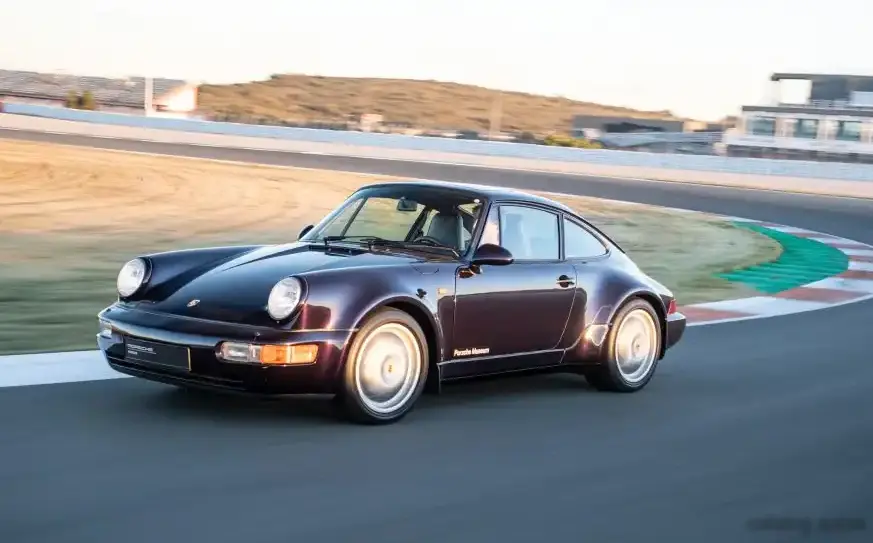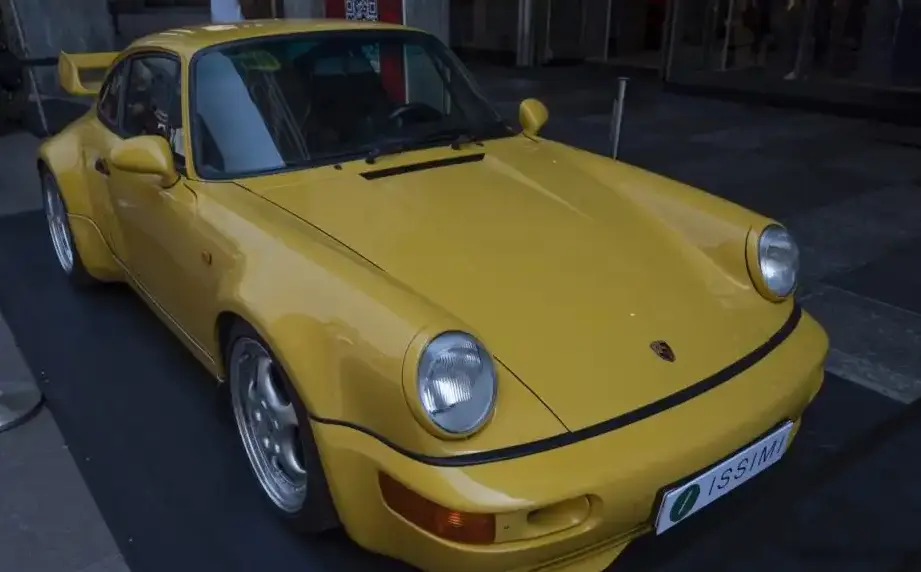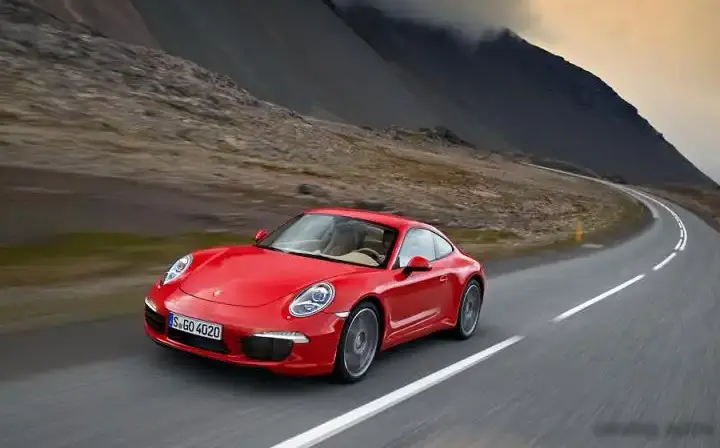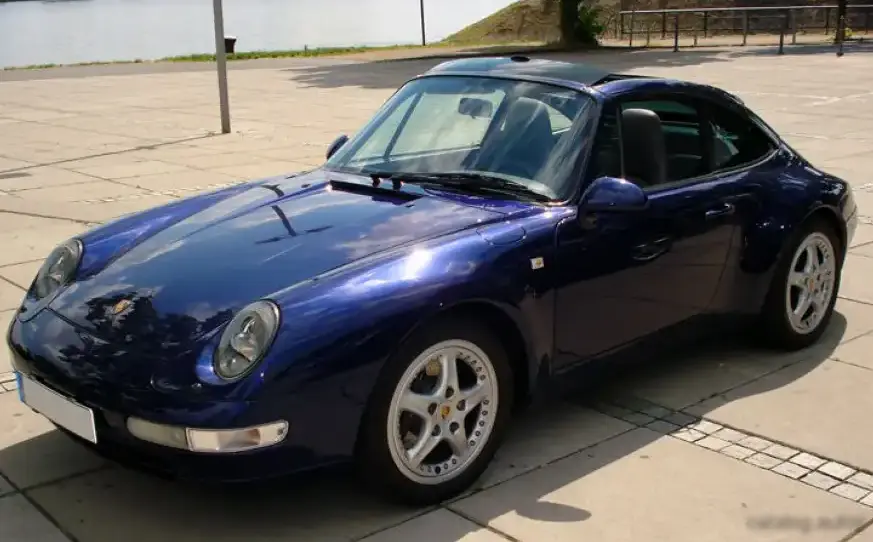
The Porsche 911 Targa (993) 3.6, equipped with the Tiptronic automatic transmission, represents a pivotal moment in the 911 lineage. Produced from 1996 to 1997, this variant occupied a middle ground within the 993 generation, offering a blend of performance and convenience. It was positioned above the base 3.0-liter models but below the more focused and expensive Carrera S and Turbo variants. The 993 generation itself was significant as the last of the air-cooled 911s, marking the end of an era while simultaneously introducing substantial modernization to the iconic sports car.
Technical Specifications
| Brand | Porsche |
| Model | 911 |
| Generation | 911 Targa (993) |
| Type (Engine) | 3.6 (285 Hp) Tiptronic |
| Start of production | 1996 |
| End of production | 1997 |
| Powertrain Architecture | Internal Combustion engine |
| Body type | Targa |
| Seats | 4 |
| Doors | 2 |
| Fuel consumption (economy) – urban | 18.3 l/100 km (12.9 US mpg, 15.4 UK mpg, 5.5 km/l) |
| Fuel consumption (economy) – extra urban | 8.9 l/100 km (26.4 US mpg, 31.7 UK mpg, 11.2 km/l) |
| Fuel consumption (economy) – combined | 12.4 l/100 km (19 US mpg, 22.8 UK mpg, 8.1 km/l) |
| Fuel Type | Petrol (Gasoline) |
| Acceleration 0 – 100 km/h | 5.4 sec |
| Acceleration 0 – 62 mph | 5.4 sec |
| Acceleration 0 – 60 mph | 5.1 sec |
| Maximum speed | 275 km/h (170.88 mph) |
| Weight-to-power ratio | 5 kg/Hp, 200 Hp/tonne |
| Weight-to-torque ratio | 4.2 kg/Nm, 238.6 Nm/tonne |
| Power | 285 Hp @ 6100 rpm |
| Power per litre | 79.2 Hp/l |
| Torque | 340 Nm @ 5250 rpm (250.77 lb.-ft. @ 5250 rpm) |
| Engine layout | Rear, Longitudinal |
| Engine Model/Code | M64.22 |
| Engine displacement | 3600 cm3 (219.69 cu. in.) |
| Number of cylinders | 6 |
| Engine configuration | Boxer |
| Cylinder Bore | 100 mm (3.94 in.) |
| Piston Stroke | 76.4 mm (3.01 in.) |
| Compression ratio | 11.3:1 |
| Number of valves per cylinder | 2 |
| Fuel injection system | Multi-port manifold injection |
| Engine aspiration | Naturally aspirated engine |
| Valvetrain | SOHC |
| Engine oil capacity | 9 l (9.51 US qt | 7.92 UK qt) |
| Kerb Weight | 1425 kg (3141.59 lbs.) |
| Trunk (boot) space – maximum | 123 l (4.34 cu. ft.) |
| Length | 4245 mm (167.13 in.) |
| Width | 1735 mm (68.31 in.) |
| Height | 1300 mm (51.18 in.) |
| Wheelbase | 2275 mm (89.57 in.) |
| Front track | 1405 mm (55.31 in.) |
| Rear (Back) track | 1474 mm (58.03 in.) |
| Drivetrain Architecture | The Internal combustion engine (ICE) drives the rear wheels of the vehicle. |
| Drive wheel | Rear wheel drive |
| Number of gears and type of gearbox | 4 gears, automatic transmission |
| Front suspension | Independent type McPherson |
| Rear suspension | Independent multi-link suspension |
| Front brakes | Ventilated discs |
| Rear brakes | Ventilated discs |
| Assisting systems | ABS (Anti-lock braking system) |
| Steering type | Steering rack and pinion |
| Power steering | Hydraulic Steering |
| Tires size | 205/55 R16; 245/45 R16 |
| Wheel rims size | 7J x 16; 9J x 16 |
Powertrain & Engine Architecture
At the heart of the 911 Targa 3.6 Tiptronic lies the M64.22 engine, a 3.6-liter naturally aspirated flat-six. This engine represented a significant evolution from the earlier 3.2-liter engines, featuring increased displacement and refined internals. The engine utilizes a multi-port fuel injection system, delivering fuel directly into the intake ports. The valvetrain employs a single overhead camshaft (SOHC) design, operating two valves per cylinder. The engine’s boxer configuration, with horizontally opposed cylinders, contributes to a low center of gravity, enhancing handling characteristics. The Tiptronic transmission is a four-speed automatic with a manual shift mode, allowing drivers to exert some control over gear selection. It was a sophisticated system for its time, offering smoother shifts than traditional automatics.
Driving Characteristics
The 911 Targa 3.6 Tiptronic delivers a distinct driving experience. While not as raw or visceral as the manual transmission variants, the Tiptronic offers a comfortable and accessible way to enjoy the 911’s performance. Acceleration from 0 to 60 mph takes approximately 5.1 seconds, and the car reaches a top speed of 170.88 mph. The automatic transmission alters the power delivery compared to the manual, providing smoother acceleration but potentially sacrificing some responsiveness. The gear ratios are tuned for a balance between acceleration and fuel efficiency. Compared to the more powerful Carrera S, the 3.6 Tiptronic feels less urgent, but it still provides ample power for spirited driving. The Targa top, while adding some weight, doesn’t significantly detract from the car’s handling prowess.
Equipment & Trim Levels
The 911 Targa 3.6 Tiptronic came standard with a well-appointed interior, featuring leather upholstery, power windows, power steering, and an upgraded audio system. Air conditioning was also standard. Optional extras included a sunroof, heated seats, and a more advanced sound system. The dashboard layout is typical of the 993 generation, with a classic analog instrument cluster and a central console housing the radio and climate controls. The Targa-specific roll bar and removable roof panel contribute to the car’s unique aesthetic.
Chassis & Braking
The 911 Targa 3.6 Tiptronic utilizes an independent suspension system, with McPherson struts at the front and a multi-link setup at the rear. This configuration provides a comfortable ride while maintaining excellent handling characteristics. Ventilated disc brakes are fitted on all four wheels, providing ample stopping power. An Anti-lock Braking System (ABS) is standard, enhancing safety and control. The car’s weight distribution is carefully balanced, contributing to its neutral handling. The Targa model shares the same chassis and braking components as other 993 variants, ensuring consistent performance.
Market Reception & Comparison
The 911 Targa 3.6 Tiptronic was generally well-received by automotive critics. It was praised for its blend of performance, comfort, and convenience. However, some reviewers noted that the Tiptronic transmission didn’t fully capture the engaging driving experience of the manual gearbox. Fuel economy was considered reasonable for a sports car of its caliber, averaging around 19 US mpg in combined driving. Compared to the base 3.0-liter models, the 3.6 Tiptronic offered a significant performance upgrade. Compared to the Carrera S, it represented a more affordable entry point into the 993 range.
Legacy
The Porsche 911 Targa (993) 3.6 Tiptronic has become a sought-after classic among Porsche enthusiasts. The M64.22 engine is known for its reliability, provided it is properly maintained. The Tiptronic transmission, while not as revered as the manual, has proven to be durable. Today, these cars command strong prices in the used car market, reflecting their rarity and desirability. The 993 generation, as the last of the air-cooled 911s, holds a special place in Porsche history, and the Targa 3.6 Tiptronic represents a compelling combination of classic design and modern technology.