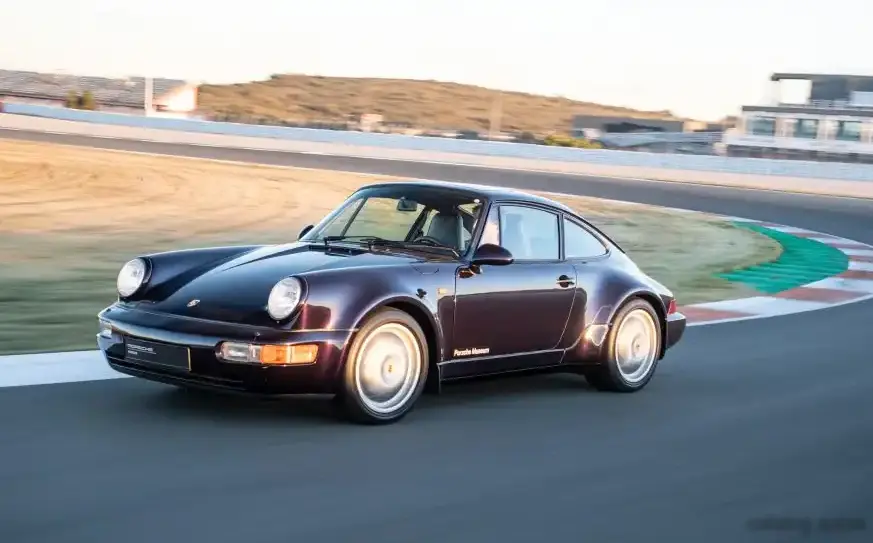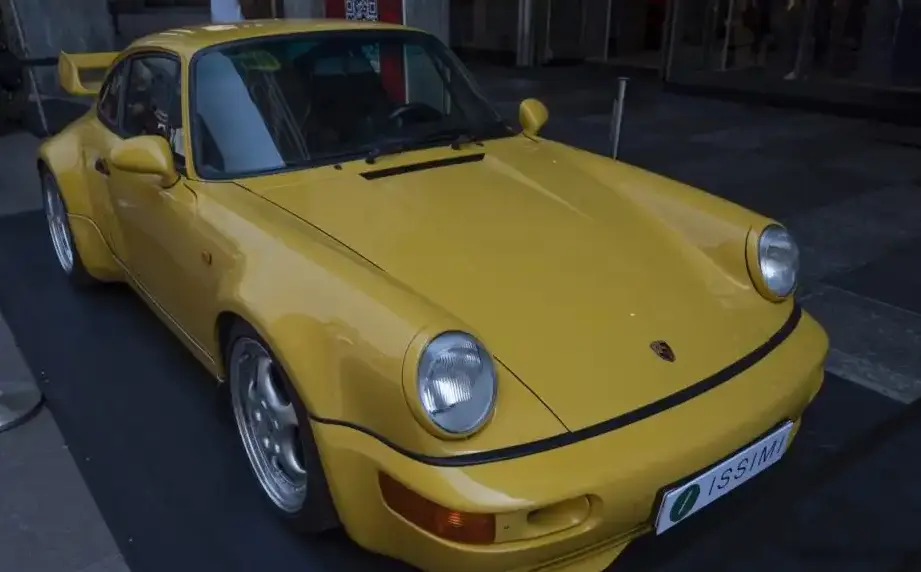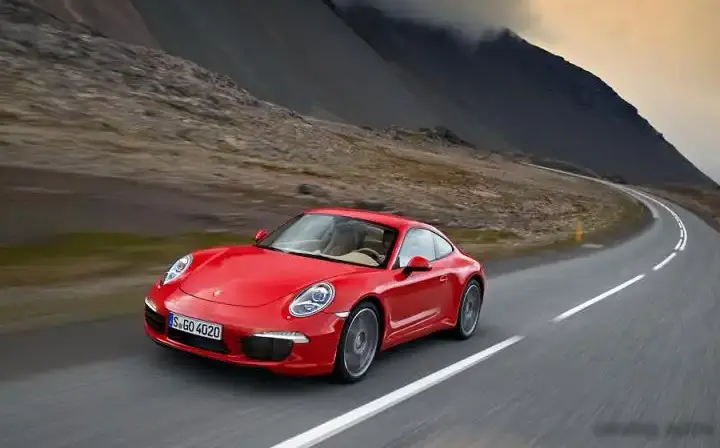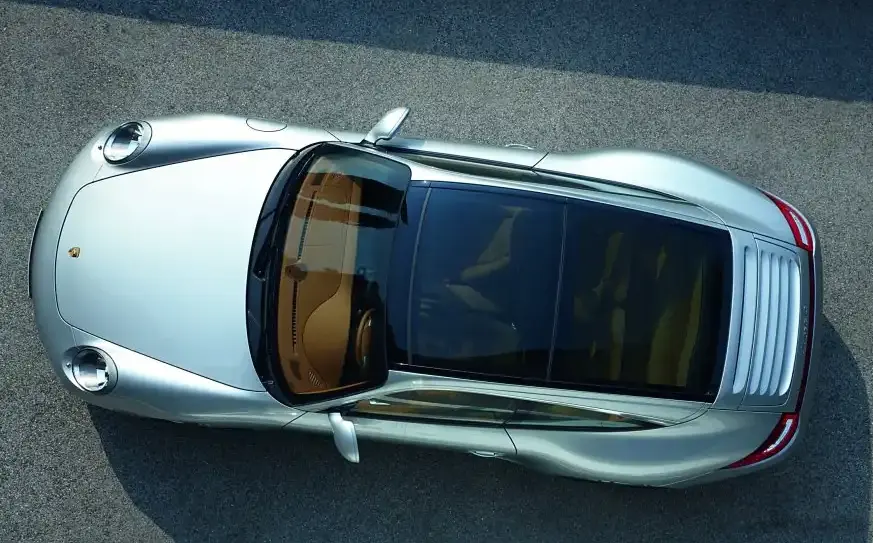
The Porsche 911 Targa 4S 3.8, produced from 2008 to 2013, represents a significant iteration of the iconic 911 lineage. Part of the 997 generation (specifically the facelifted model introduced in 2008), the Targa 4S combined the open-air experience of the Targa roof design with the all-weather capability of Porsche’s all-wheel-drive system. This variant occupied a premium position within the 997 Targa range, offering a substantial performance upgrade over the base Targa models while remaining more approachable than the track-focused GT3 variants. It was positioned as a luxurious and capable grand tourer, appealing to buyers seeking a blend of performance, style, and everyday usability.
Technical Specifications
| Brand | Porsche |
| Model | 911 |
| Generation | 911 Targa (997, facelift 2008) |
| Type (Engine) | Targa 4S 3.8 (385 Hp) |
| Start of production | 2008 |
| End of production | 2013 |
| Powertrain Architecture | Internal Combustion engine |
| Body type | Targa |
| Seats | 4 |
| Doors | 2 |
| Fuel consumption (economy) – urban | 16.5 l/100 km (14.3 US mpg, 17.1 UK mpg, 6.1 km/l) |
| Fuel consumption (economy) – extra urban | 7.9 l/100 km (29.8 US mpg, 35.8 UK mpg, 12.7 km/l) |
| Fuel consumption (economy) – combined | 11 l/100 km (21.4 US mpg, 25.7 UK mpg, 9.1 km/l) |
| CO2 emissions | 259 g/km |
| Fuel Type | Petrol (Gasoline) |
| Acceleration 0 – 100 km/h | 4.9 sec |
| Acceleration 0 – 62 mph | 4.9 sec |
| Acceleration 0 – 60 mph | 4.7 sec |
| Maximum speed | 297 km/h (184.55 mph) |
| Emission standard | Euro 5 |
| Weight-to-power ratio | 4 kg/Hp, 250 Hp/tonne |
| Weight-to-torque ratio | 3.7 kg/Nm, 272.7 Nm/tonne |
| Power | 385 Hp @ 6500 rpm |
| Power per litre | 101.3 Hp/l |
| Torque | 420 Nm @ 4200 rpm (309.78 lb.-ft. @ 4200 rpm) |
| Engine layout | Rear, Longitudinal |
| Engine Model/Code | MA1.01 |
| Engine displacement | 3800 cm3 (231.89 cu. in.) |
| Number of cylinders | 6 |
| Engine configuration | Boxer |
| Compression ratio | 12.5:1 |
| Number of valves per cylinder | 4 |
| Fuel injection system | Direct injection |
| Engine oil capacity | 7.5 l (7.93 US qt | 6.6 UK qt) |
| Coolant | 29 l (30.64 US qt | 25.52 UK qt) |
| Kerb Weight | 1540 kg (3395.12 lbs.) |
| Max. weight | 1920 kg (4232.88 lbs.) |
| Max load | 380 kg (837.76 lbs.) |
| Trunk (boot) space – maximum | 105 l (3.71 cu. ft.) |
| Fuel tank capacity | 67 l (17.7 US gal | 14.74 UK gal) |
| Length | 4435 mm (174.61 in.) |
| Width | 1852 mm (72.91 in.) |
| Height | 1300 mm (51.18 in.) |
| Wheelbase | 2350 mm (92.52 in.) |
| Drag coefficient (Cd) | 0.30 |
| Minimum turning circle | 10.9 m (35.76 ft.) |
| Drive wheel | All wheel drive (4×4) |
| Number of gears and type of gearbox | 6 gears, manual transmission |
| Front suspension | Independent type McPherson |
| Rear suspension | Independent multi-link suspension |
| Front brakes | Ventilated discs, 330 mm |
| Rear brakes | Ventilated discs, 330 mm |
| Assisting systems | ABS (Anti-lock braking system) |
| Steering type | Steering rack and pinion |
| Power steering | Hydraulic Steering |
| Tires size | 235/35 ZR19; 305/30 ZR19 |
| Wheel rims size | 8J x 19; 11J x 19 |
Powertrain & Engine Architecture
At the heart of the 911 Targa 4S 3.8 lies the MA1.01 engine, a 3.8-liter naturally aspirated flat-six (boxer) engine. This engine benefited from Porsche’s Direct Fuel Injection (DFI) technology, which improved both power output and fuel efficiency. DFI allowed for more precise fuel metering and increased combustion efficiency. The engine produced 385 horsepower at 6,500 rpm and 420 Nm (309.78 lb-ft) of torque at 4,200 rpm. The engine’s flat-six configuration contributes to a low center of gravity, enhancing handling characteristics. The 6-speed manual transmission was standard, providing precise gear changes and a direct connection to the engine. Porsche’s Tiptronic S automatic transmission was also available as an option, offering smoother shifts and convenience, though it slightly impacted acceleration times.
Driving Characteristics
The 911 Targa 4S 3.8 delivered a compelling driving experience. The 3.8-liter engine provided ample power for both spirited driving and comfortable cruising. Acceleration from 0 to 60 mph took approximately 4.7 seconds, and the car could reach a top speed of 184.55 mph. The all-wheel-drive system ensured excellent traction, particularly in adverse weather conditions. The manual transmission offered a rewarding and engaging driving experience, while the optional Tiptronic S automatic provided a more relaxed driving style. The Targa top, a complex electro-hydraulic mechanism, allowed for open-air driving with the convenience of a coupe. The car’s handling was precise and responsive, thanks to its rear-engine layout, sophisticated suspension, and well-weighted steering.
Equipment & Trim Levels
The Targa 4S 3.8 came standard with a generous array of features, including leather upholstery, automatic climate control, a Bose sound system, and bi-xenon headlights. Optional extras included Porsche Dynamic Chassis Control (PDCC), which minimized body roll during cornering, adaptive sport seats, and a navigation system. Interior trim options allowed buyers to personalize their vehicles with various leather colors and wood or carbon fiber accents. The Targa-specific roof design featured a retractable glass roof panel that provided an open-air experience while maintaining structural rigidity.
Chassis & Braking
The 997 generation 911 Targa 4S utilized an independent suspension system, with McPherson struts at the front and a multi-link setup at the rear. This configuration provided a comfortable ride and excellent handling. Ventilated disc brakes were fitted to all four wheels, providing ample stopping power. The braking system was further enhanced by Porsche’s Anti-lock Braking System (ABS). The car’s chassis was constructed from a combination of steel and aluminum, providing a balance of strength and lightweight construction.
Market Reception & Comparison
The 911 Targa 4S 3.8 was generally well-received by automotive critics. It was praised for its performance, handling, and luxurious interior. Compared to the base Targa models, the 4S offered a significant performance upgrade thanks to its larger engine and all-wheel-drive system. Compared to the 911 Carrera S coupe, the Targa 4S offered a unique open-air driving experience, albeit with a slightly higher weight and a more complex roof mechanism. Fuel economy was reasonable for a high-performance sports car, averaging around 21.4 US mpg in combined driving. Reliability was generally good, although maintenance costs could be high due to the car’s complex engineering.
Legacy
The 911 Targa 4S 3.8 remains a desirable and collectible Porsche model. Its combination of performance, style, and open-air driving experience continues to appeal to enthusiasts. The MA1.01 engine is known for its durability and reliability, although regular maintenance is essential. On the used car market, well-maintained examples of the 911 Targa 4S 3.8 command premium prices, reflecting their enduring appeal and the Porsche brand’s strong reputation. The 997 generation Targa, and particularly the 4S variant, represents a sweet spot in the 911 lineage, offering a blend of classic Porsche characteristics and modern technology.