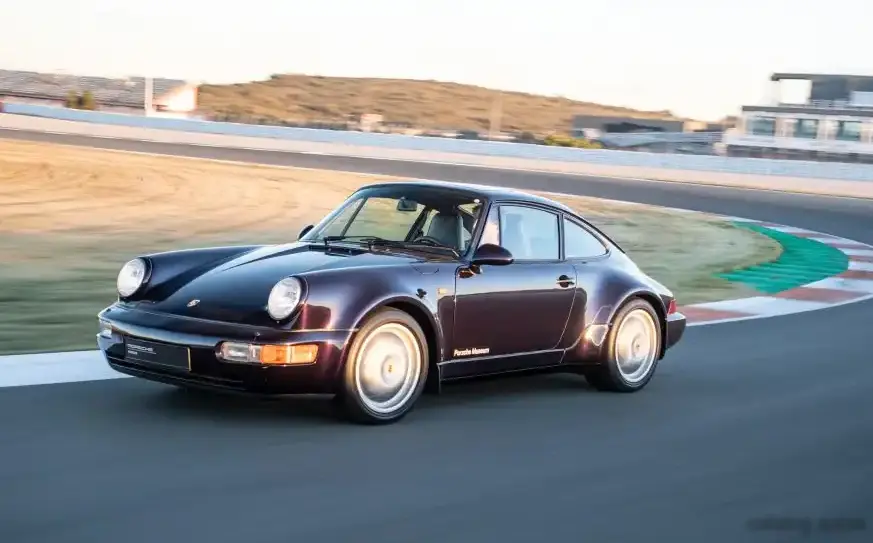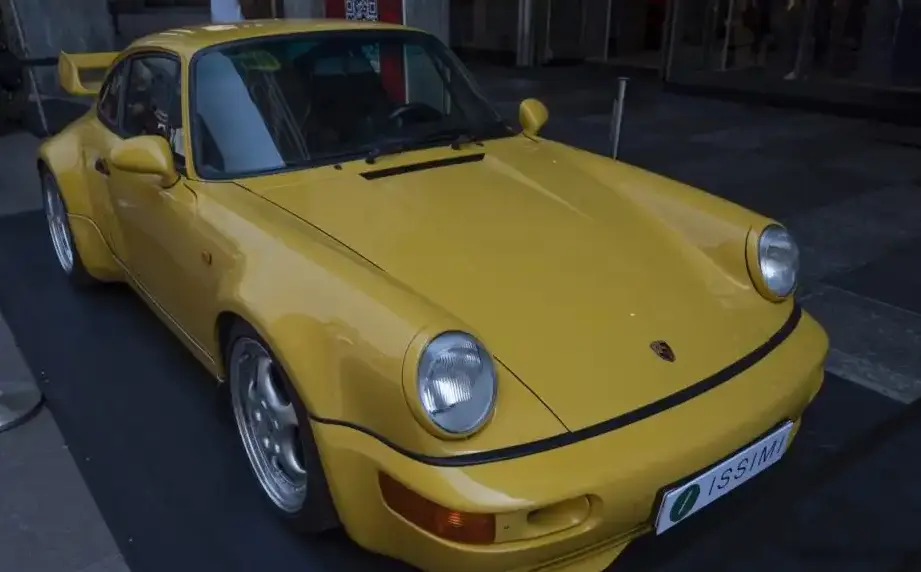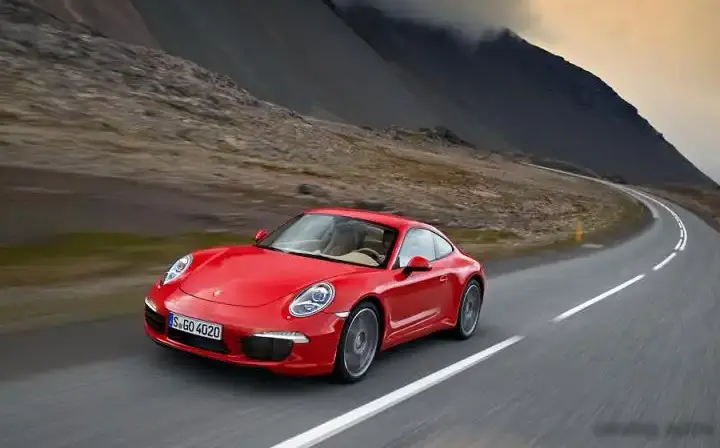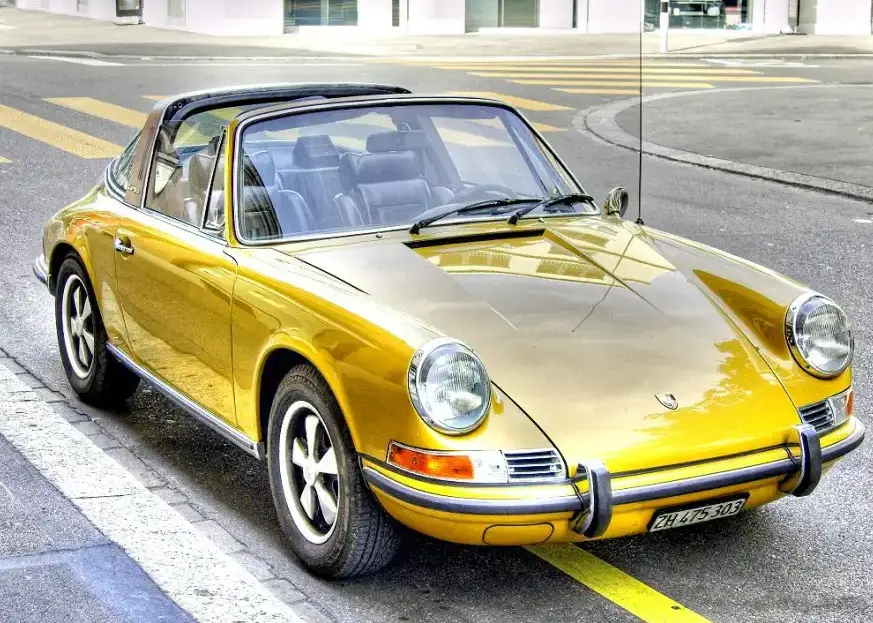
The Porsche 911 Targa (F) 2.2 T, produced between 1970 and 1972, represents a pivotal moment in the evolution of the iconic 911. Falling within the early “F” series (1970-1973) of the original 911 generation (internally known as the 901, later renamed 911), the 2.2 Targa offered a unique blend of open-air motoring and Porsche’s renowned performance. It occupied a middle ground in the Targa lineup, positioned above the base 2.2 T and below the more powerful 2.4 Targa models. This variant was crucial in establishing the Targa as a desirable and distinct body style within the 911 range, appealing to buyers seeking a compromise between the coupe’s practicality and the cabriolet’s open-air experience.
Technical Specifications
| Brand | Porsche |
| Model | 911 |
| Generation | 911 Targa (F) |
| Type (Engine) | 2.2 T (125 Hp) |
| Start of production | 1970 |
| End of production | 1972 |
| Powertrain Architecture | Internal Combustion engine |
| Body type | Targa |
| Seats | 4 |
| Doors | 2 |
| Fuel Type | Petrol (Gasoline) |
| Maximum speed | 206 km/h (128 mph) |
| Weight-to-power ratio | 8.2 kg/Hp, 122.5 Hp/tonne |
| Weight-to-torque ratio | 5.8 kg/Nm, 173.5 Nm/tonne |
| Power | 125 Hp @ 5800 rpm |
| Power per litre | 57 Hp/l |
| Torque | 177 Nm @ 4200 rpm (130.55 lb.-ft. @ 4200 rpm) |
| Engine layout | Rear, Longitudinal |
| Engine Model/Code | 911.03 |
| Engine displacement | 2193 cm3 (133.83 cu. in.) |
| Number of cylinders | 6 |
| Engine configuration | Boxer |
| Cylinder Bore | 84 mm (3.31 in.) |
| Piston Stroke | 66 mm (2.6 in.) |
| Compression ratio | 8.6:1 |
| Engine aspiration | Naturally aspirated engine |
| Engine oil capacity | 9 l (9.51 US qt | 7.92 UK qt) |
| Kerb Weight | 1020 kg (2248.72 lbs.) |
| Max. weight | 1300 kg (2866.01 lbs.) |
| Max load | 280 kg (617.29 lbs.) |
| Permitted trailer load with brakes (12%) | 600 kg (1322.77 lbs.) |
| Permitted trailer load without brakes | 480 kg (1058.22 lbs.) |
| Length | 4170 mm (164.17 in.) |
| Width | 1625 mm (63.98 in.) |
| Height | 1300 mm (51.18 in.) |
| Wheelbase | 2268 mm (89.29 in.) |
| Front track | 1374 mm (54.09 in.) |
| Rear (Back) track | 1355 mm (53.35 in.) |
| Front overhang | 922 mm (36.3 in.) |
| Rear overhang | 980 mm (38.58 in.) |
| Ride height (ground clearance) | 150 mm (5.91 in.) |
| Minimum turning circle (turning diameter) | 10.7 m (35.1 ft.) |
| Drivetrain Architecture | The Internal combustion engine (ICE) drives the rear wheels of the vehicle. |
| Drive wheel | Rear wheel drive |
| Number of gears and type of gearbox | 5 gears, manual transmission |
| Front suspension | Spring Strut, Wishbone |
| Rear suspension | Trailing arm |
| Front brakes | Disc |
| Rear brakes | Disc |
| Steering type | Steering rack and pinion |
| Wheel rims size | 5.5J x 15 |
Powertrain & Engine Architecture
The heart of the 911 Targa 2.2 T is the 911.03 engine, a 2193 cc air-cooled, flat-six (boxer) engine. This engine featured a bore of 84mm and a stroke of 66mm, operating with an 8.6:1 compression ratio. Fuel delivery was managed by Bosch mechanical fuel injection, a relatively sophisticated system for the time, replacing the earlier carburetors. The engine produced 125 horsepower at 5800 rpm and 177 Nm (130.55 lb-ft) of torque at 4200 rpm. The engine’s longitudinal rear-mounted layout contributed to the 911’s distinctive handling characteristics. The standard transmission for this model was a five-speed manual gearbox, providing precise control and engaging driving experience. The engine’s design emphasized reliability and relatively easy maintenance, although the air-cooled nature required diligent oil changes and monitoring.
Driving Characteristics
The 911 Targa 2.2 T offered a balanced driving experience. While not as overtly powerful as the later 2.4 Targa models, the 2.2 T provided ample performance for spirited driving. The five-speed manual transmission allowed drivers to keep the engine in its optimal power band. Acceleration was brisk, and the car felt nimble and responsive. The rear-engine layout, while contributing to the 911’s unique handling, also demanded respect from the driver, particularly in challenging conditions. The Targa top, with its removable roof panel, provided an open-air feel without sacrificing the structural rigidity of a coupe. Compared to the base 911 T, the 2.2 T offered a noticeable improvement in performance and refinement.
Equipment & Trim Levels
The 911 Targa 2.2 T came reasonably well-equipped for its era. Standard features included comfortable seating for four, disc brakes on all four wheels, and a leather-wrapped steering wheel. Interior upholstery was typically cloth, although leather options were available. The dashboard layout was functional and driver-focused, with clearly marked gauges. Optional extras included a Webasto heater, a Blaupunkt radio, and upgraded interior trim. The Targa-specific roll bar, a defining feature of the model, was standard equipment, enhancing both safety and the car’s aesthetic appeal.
Chassis & Braking
The 911 Targa 2.2 T utilized a robust chassis with independent suspension all around. The front suspension featured spring struts and wishbones, while the rear employed trailing arms. This setup provided a good balance of ride comfort and handling precision. Disc brakes were fitted to all four wheels, offering excellent stopping power. The steering was a rack-and-pinion system, providing precise and responsive control. Wheel size was typically 5.5J x 15 inches. The car’s relatively light weight (around 1020 kg or 2248.72 lbs) contributed to its agile handling characteristics.
Market Reception & Comparison
The 911 Targa 2.2 T was generally well-received by automotive critics. It was praised for its stylish design, engaging driving experience, and relatively comfortable ride. Compared to the base 911 T, the 2.2 T offered a noticeable performance upgrade. However, some critics noted that the car’s handling could be challenging for inexperienced drivers due to its rear-engine layout. Fuel economy was reasonable for a sports car of the era, and reliability was generally good, although regular maintenance was essential. The Targa body style proved popular, offering a unique alternative to the coupe and cabriolet.
Legacy
The Porsche 911 Targa 2.2 T holds a significant place in Porsche history. It helped establish the Targa as a desirable and enduring body style within the 911 range. Today, these cars are highly sought after by collectors and enthusiasts. The 911.03 engine is known for its reliability and relatively straightforward maintenance, although finding original parts can sometimes be challenging. Well-maintained examples command premium prices in the used car market. The 911 Targa 2.2 T represents a classic era of Porsche engineering and design, offering a unique and rewarding driving experience that continues to captivate enthusiasts today.