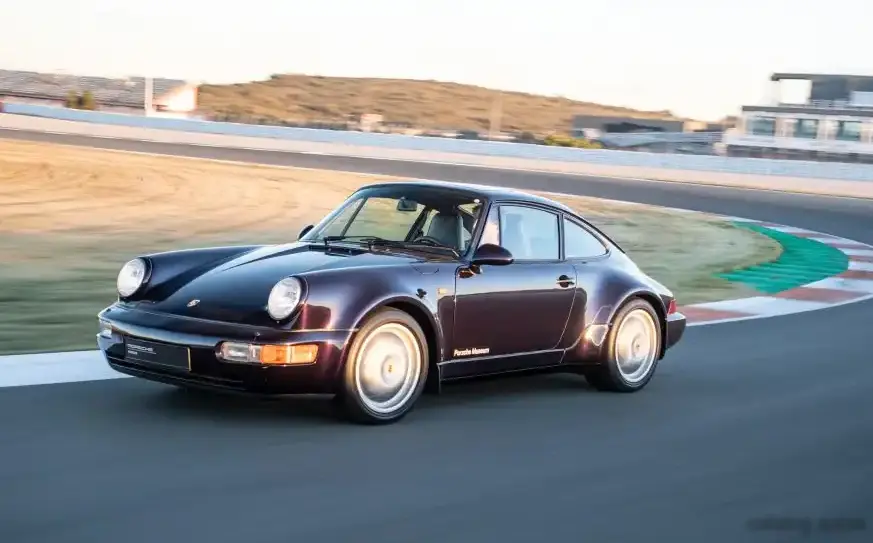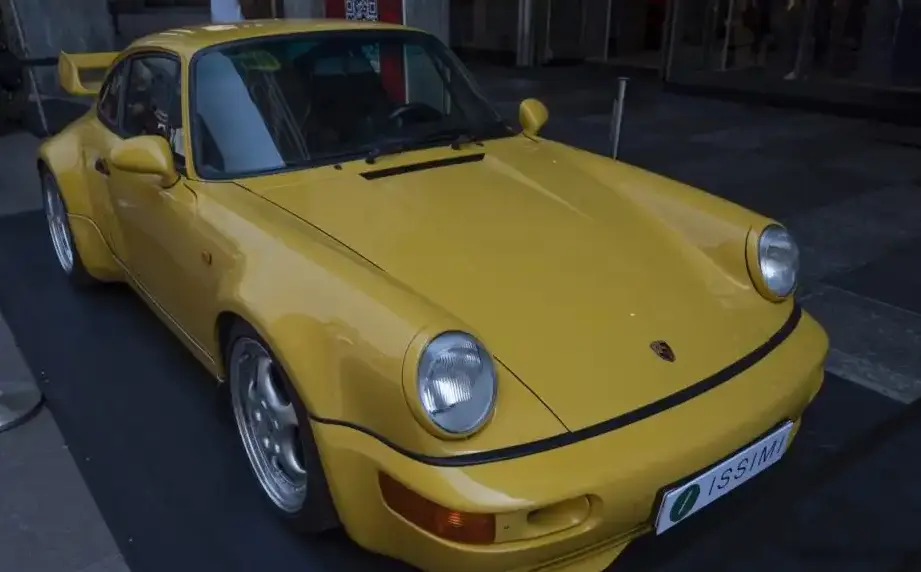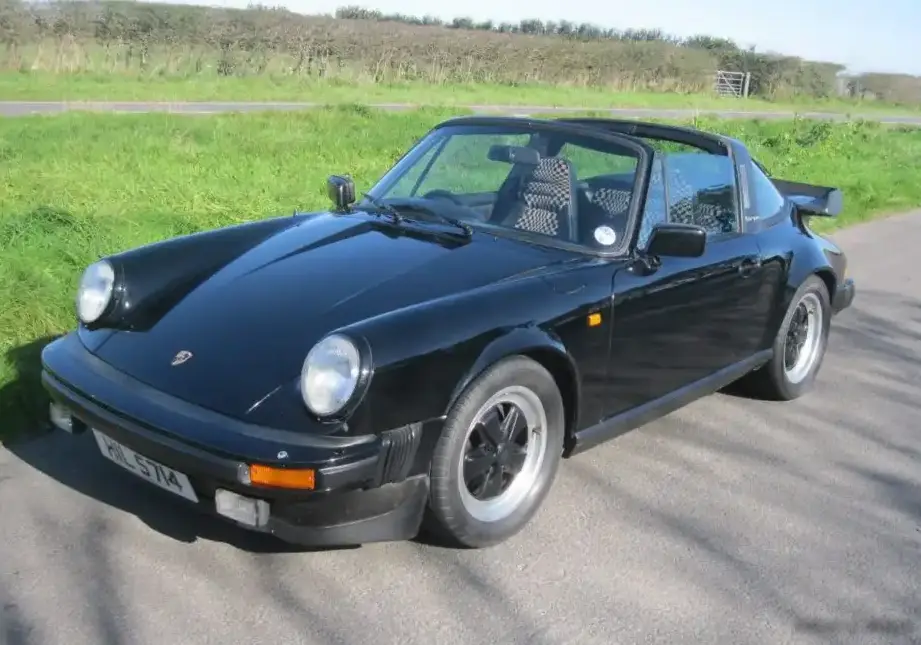
The Porsche 911 Targa (G) 2.7, produced between 1975 and 1977, represents a pivotal moment in the evolution of the iconic 911. Falling within the G-Series (1974-1989) of the 911, this variant was designed to offer a blend of open-air driving enjoyment with the added security of a roll bar, distinguishing it from both the coupe and cabriolet models. The 2.7-liter engine, a significant upgrade from previous iterations, provided a noticeable increase in performance, solidifying the Targa’s position as a desirable and capable sports car. This particular configuration, with 165 horsepower, served as a mid-range offering within the broader 911 lineup, appealing to drivers seeking a balance between performance and everyday usability.
Technical Specifications
| Brand | Porsche |
| Model | 911 |
| Generation | 911 Targa (G) |
| Type (Engine) | 2.7 (165 Hp) |
| Start of production | 1975 |
| End of production | 1977 |
| Powertrain Architecture | Internal Combustion engine |
| Body type | Targa |
| Seats | 4 |
| Doors | 2 |
| Fuel Type | Petrol (Gasoline) |
| Maximum speed | 215 km/h (133.59 mph) |
| Weight-to-power ratio | 6.7 kg/Hp, 150 Hp/tonne |
| Weight-to-torque ratio | 4.7 kg/Nm, 213.6 Nm/tonne |
| Power | 165 Hp @ 5800 rpm |
| Power per litre | 61.4 Hp/l |
| Torque | 235 Nm @ 4000 rpm (173.33 lb.-ft. @ 4000 rpm) |
| Engine layout | Rear, Longitudinal |
| Engine Model/Code | 911.30 |
| Engine displacement | 2687 cm3 (163.97 cu. in.) |
| Number of cylinders | 6 |
| Engine configuration | Boxer |
| Cylinder Bore | 90 mm (3.54 in.) |
| Piston Stroke | 70.4 mm (2.77 in.) |
| Number of valves per cylinder | 2 |
| Fuel injection system | Multi-port manifold injection |
| Engine aspiration | Naturally aspirated engine |
| Valvetrain | SOHC |
| Kerb Weight | 1100 kg (2425.08 lbs.) |
| Max. weight | 1380 kg (3042.38 lbs.) |
| Max load | 280 kg (617.29 lbs.) |
| Fuel tank capacity | 80 l (21.13 US gal | 17.6 UK gal) |
| Permitted trailer load with brakes (12%) | 800 kg (1763.7 lbs.) |
| Permitted trailer load without brakes | 480 kg (1058.22 lbs.) |
| Length | 4291 mm (168.94 in.) |
| Width | 1610 mm (63.39 in.) |
| Height | 1320 mm (51.97 in.) |
| Wheelbase | 2271 mm (89.41 in.) |
| Front track | 1372 mm (54.02 in.) |
| Rear (Back) track | 1345 mm (52.95 in.) |
| Front overhang | 932 mm (36.69 in.) |
| Rear overhang | 1088 mm (42.83 in.) |
| Ride height (ground clearance) | 140 mm (5.51 in.) |
| Drivetrain Architecture | The Internal combustion engine (ICE) drives the rear wheels of the vehicle. |
| Drive wheel | Rear wheel drive |
| Number of gears and type of gearbox | 4 gears, manual transmission |
| Front suspension | Spring Strut, Wishbone |
| Rear suspension | Trailing arm |
| Front brakes | Disc |
| Rear brakes | Disc |
| Steering type | Steering rack and pinion |
| Tires size | 185/70 R15 |
| Wheel rims size | 6J x 15 |
Powertrain & Engine Architecture
The heart of the 911 Targa 2.7 is the 911.30 engine, a 2.7-liter, naturally aspirated, air-cooled flat-six (boxer) engine. This engine represented a significant leap forward from the earlier 2.4-liter units, offering increased displacement and improved performance. The engine utilized Bosch K-Jetronic mechanical fuel injection, a system known for its reliability and precise fuel delivery. This system replaced the previous throttle-body injection, contributing to the engine’s smoother power delivery and improved efficiency. The single overhead camshaft (SOHC) design, while relatively simple, proved durable and effective. The engine’s longitudinal rear-engine layout was a defining characteristic of the 911, influencing its handling characteristics. The 4-speed manual transmission was standard, providing a direct connection between the engine and the rear wheels. The gearing was tailored to provide a balance of acceleration and cruising ability, though it wasn’t as aggressively geared as some of the higher-performance 911 variants.
Driving Characteristics
The 165 hp output of the 2.7-liter engine in the Targa delivered a spirited, yet manageable, driving experience. While not as brutally fast as the later 911 Carrera RS or the 911 Turbo, the Targa 2.7 offered ample power for both spirited backroad driving and comfortable highway cruising. The manual transmission, with its well-defined gate, allowed for precise gear changes. The rear-engine layout contributed to a unique handling balance, requiring a degree of driver skill to master. Compared to the more powerful 911 variants, the Targa 2.7 felt more approachable and less demanding, making it a popular choice for drivers who wanted a classic Porsche experience without the raw intensity of the higher-performance models. The Targa top, while adding some weight, provided an open-air driving experience that was unique to this body style.
Equipment & Trim Levels
The 911 Targa 2.7 was generally well-equipped for its time, though options were plentiful. Standard features included comfortable cloth seats, a leather-wrapped steering wheel, and a basic stereo system. The interior was functional and driver-focused, reflecting Porsche’s commitment to performance. Optional extras included leather upholstery, air conditioning, power windows, and a more sophisticated stereo system. The Targa top itself was a manually operated system, requiring the removal of the roof panel and folding down the rear window. The dashboard layout was typical of the G-Series 911, with a five-gauge instrument cluster providing essential information to the driver.
Chassis & Braking
The 911 Targa 2.7 utilized a robust chassis with independent suspension on all four wheels. The front suspension featured spring struts and wishbones, while the rear suspension employed trailing arms. This setup provided a good balance of ride comfort and handling precision. Disc brakes were fitted to all four wheels, providing ample stopping power. The braking system was not assisted, requiring a firm pedal effort. The steering was a rack-and-pinion system, offering precise and responsive steering feel. The Targa’s weight distribution, influenced by the rear-engine layout, required careful consideration when braking and cornering.
Market Reception & Comparison
The 911 Targa 2.7 was generally well-received by automotive critics and enthusiasts. It was praised for its improved performance, comfortable ride, and unique open-air driving experience. Compared to the 911 Carrera RS, the Targa 2.7 offered a more civilized driving experience, sacrificing some outright performance for increased usability. Compared to the later 911 SC models, the Targa 2.7 was considered to be less refined but more characterful. Fuel economy was reasonable for a sports car of its era, and reliability was generally good, though maintenance costs could be significant due to the complexity of the air-cooled engine.
Legacy
The Porsche 911 Targa 2.7 remains a highly sought-after classic Porsche today. Its combination of performance, style, and open-air driving enjoyment has made it a favorite among collectors and enthusiasts. The 2.7-liter engine is considered to be one of the most reliable and durable Porsche engines ever produced. While maintenance costs can be high, the Targa 2.7 is a rewarding car to own and drive. Its enduring appeal is a testament to Porsche’s engineering excellence and the timeless design of the 911. In the used car market, well-maintained examples command premium prices, reflecting their rarity and desirability.