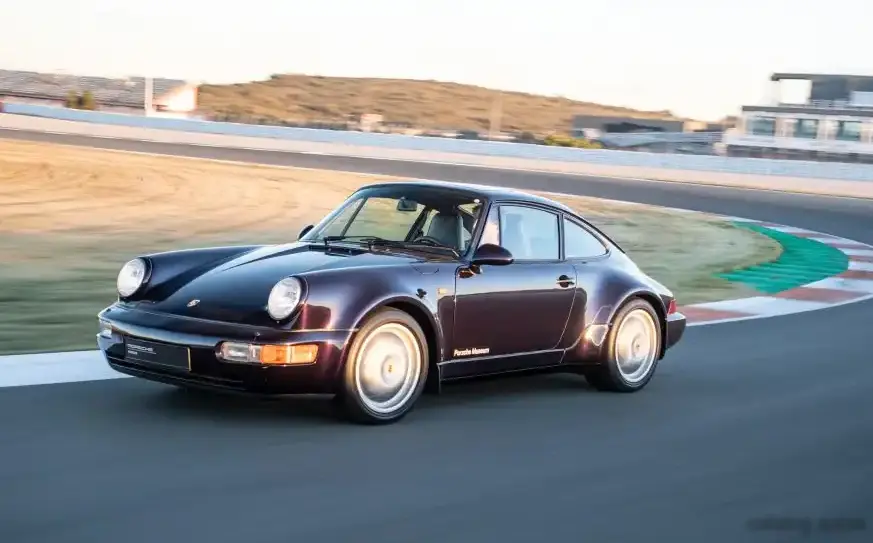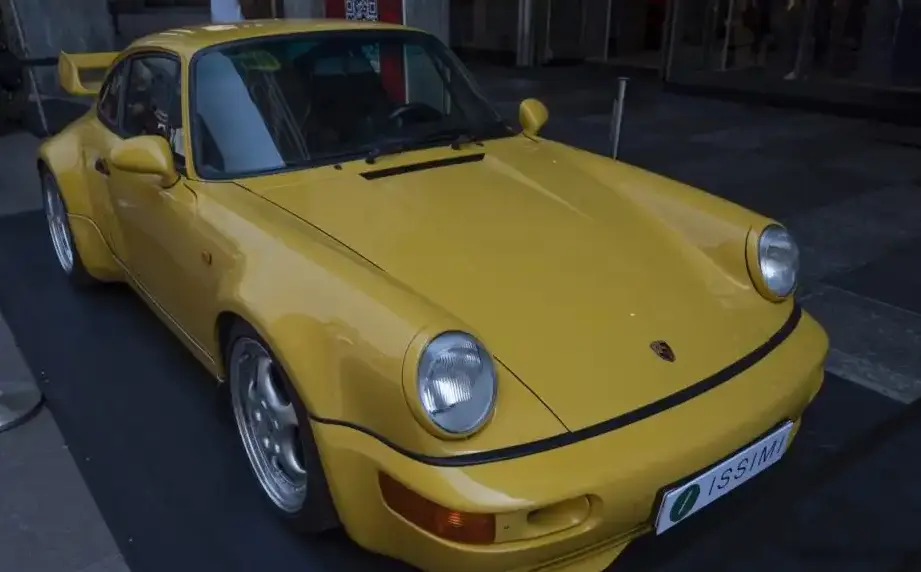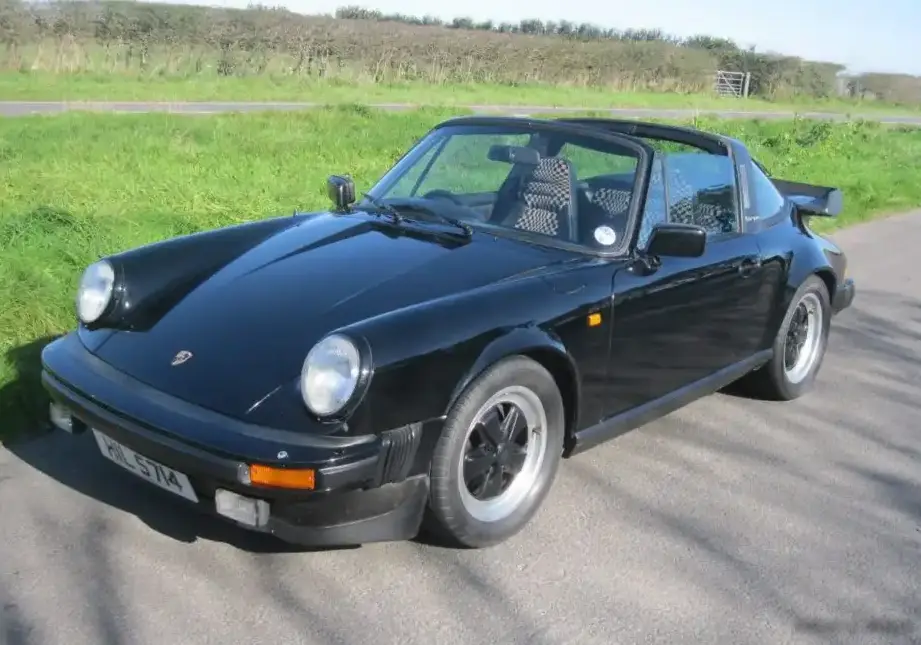
The Porsche 911 Targa (G) 2.7 S, produced between 1974 and 1976, represents a pivotal point in the evolution of the iconic 911. Falling within the ‘G’ series (1974-1977), this variant offered a compelling blend of performance and open-air driving enjoyment. It was positioned as a premium offering within the Targa lineup, sitting above the standard 2.7-liter Targa and serving as a more accessible alternative to the fully enclosed 911 Coupe. The 2.7 S Targa aimed to deliver a more engaging driving experience than its base counterparts, appealing to enthusiasts who desired a sportier character without sacrificing the unique Targa top design.
Technical Specifications
| Brand | Porsche |
| Model | 911 |
| Generation | 911 Targa (G) |
| Type (Engine) | 2.7 S (175 Hp) |
| Start of production | 1974 |
| End of production | 1976 |
| Powertrain Architecture | Internal Combustion engine |
| Body type | Targa |
| Seats | 4 |
| Doors | 2 |
| Fuel Type | Petrol (Gasoline) |
| Maximum speed | 225 km/h (139.81 mph) |
| Weight-to-power ratio | 6.1 kg/Hp, 163.6 Hp/tonne |
| Weight-to-torque ratio | 4.6 kg/Nm, 219.6 Nm/tonne |
| Power | 175 Hp @ 5800 rpm |
| Power per litre | 65.1 Hp/l |
| Torque | 235 Nm @ 4000 rpm (173.33 lb.-ft. @ 4000 rpm) |
| Engine layout | Rear, Longitudinal |
| Engine Model/Code | 911.93 |
| Engine displacement | 2687 cm3 (163.97 cu. in.) |
| Number of cylinders | 6 |
| Engine configuration | Boxer |
| Cylinder Bore | 90 mm (3.54 in.) |
| Piston Stroke | 70.4 mm (2.77 in.) |
| Number of valves per cylinder | 2 |
| Fuel injection system | Multi-port manifold injection |
| Engine aspiration | Naturally aspirated engine |
| Valvetrain | SOHC |
| Kerb Weight | 1070 kg (2358.95 lbs.) |
| Max. weight | 1400 kg (3086.47 lbs.) |
| Max load | 330 kg (727.53 lbs.) |
| Permitted trailer load with brakes (12%) | 800 kg (1763.7 lbs.) |
| Permitted trailer load without brakes | 480 kg (1058.22 lbs.) |
| Length | 4291 mm (168.94 in.) |
| Width | 1610 mm (63.39 in.) |
| Height | 1320 mm (51.97 in.) |
| Wheelbase | 2271 mm (89.41 in.) |
| Front overhang | 932 mm (36.69 in.) |
| Rear overhang | 1088 mm (42.83 in.) |
| Drivetrain Architecture | The Internal combustion engine (ICE) drives the rear wheels of the vehicle. |
| Drive wheel | Rear wheel drive |
| Number of gears and type of gearbox | 5 gears, manual transmission |
| Front suspension | Spring Strut, Wishbone |
| Rear suspension | Trailing arm |
| Front brakes | Disc |
| Rear brakes | Disc |
| Steering type | Steering rack and pinion |
| Tires size | 185/70 R15 |
| Wheel rims size | 6J x15; 7J x 15 |
Powertrain & Engine Architecture
The heart of the 911 Targa 2.7 S is its 2.7-liter, naturally aspirated, air-cooled flat-six engine, designated as the 911.93. This engine benefited from significant revisions over the earlier 2.4-liter units, including a larger displacement and improved cylinder heads. The ‘S’ designation indicated a higher state of tune, featuring a higher compression ratio (8.5:1) and a more aggressive camshaft profile. Bosch mechanical fuel injection delivered fuel to the engine, a system known for its responsiveness and, when properly maintained, reliability. The engine produced 175 horsepower at 5800 rpm and 235 Nm (173.33 lb-ft) of torque at 4000 rpm. The engine’s boxer configuration, with horizontally opposed cylinders, contributed to a low center of gravity, enhancing handling. The 2.7 S was exclusively offered with a five-speed manual transmission, providing precise gear changes and allowing the driver to fully exploit the engine’s power band.
Driving Characteristics
The 911 Targa 2.7 S delivered a distinctly sporty driving experience. The 2.7-liter engine, while not the most powerful 911 variant, offered a broad and usable powerband. Acceleration was brisk, with a 0-60 mph time estimated around 7.0 seconds, and a top speed of 139.81 mph. The five-speed manual transmission allowed for precise control, and the rear-wheel-drive layout provided a classic Porsche feel. The Targa top, while adding some weight compared to the coupe, offered an open-air driving experience without sacrificing structural rigidity. The suspension, featuring torsion bars and shock absorbers, provided a firm but compliant ride, balancing comfort and handling. Compared to the standard 2.7 Targa, the 2.7 S felt noticeably more responsive and eager to rev, making it a more engaging car for spirited driving.
Equipment & Trim Levels
The 911 Targa 2.7 S came reasonably well-equipped for its time, though options were plentiful. Standard features included leatherette upholstery, a leather-wrapped steering wheel, and a basic sound system. The Targa top itself was a defining feature, consisting of a removable roof panel that stowed in a rear compartment and a fixed roll bar. Optional extras included upgraded sound systems, power windows, air conditioning, and various trim options. Interior color choices were diverse, allowing buyers to personalize their cars. The dashboard layout was typical of early 911s, with a five-gauge instrument cluster providing essential information.
Chassis & Braking
The 911 Targa 2.7 S utilized a robust chassis construction, featuring a monocoque steel body. The suspension system consisted of torsion bars at the front and rear, with shock absorbers and anti-roll bars to control body roll. The braking system featured disc brakes on all four wheels, providing ample stopping power. Steering was via a rack-and-pinion system, offering precise and responsive control. The car rode on 6J x 15 or 7J x 15 inch wheels, shod with 185/70 R15 tires. The suspension setup was tuned to provide a balance between comfort and handling, making the car enjoyable to drive on both smooth roads and winding backroads.
Market Reception & Comparison
The 911 Targa 2.7 S was well-received by automotive critics and enthusiasts alike. It was praised for its performance, handling, and unique Targa top design. Compared to the standard 2.7 Targa, the ‘S’ model offered a significant performance upgrade, making it a more desirable option for those seeking a sportier driving experience. It also provided a more affordable alternative to the 911 Carrera Coupe. Fuel economy was reasonable for a sports car of its era, averaging around 18-22 mpg. Reliability was generally good, although the air-cooled engine required regular maintenance to prevent issues.
Legacy
The Porsche 911 Targa 2.7 S remains a highly sought-after classic Porsche today. Its combination of performance, style, and open-air driving enjoyment has made it a favorite among collectors and enthusiasts. The 2.7-liter engine is considered a robust and reliable unit when properly maintained, although parts availability can be a challenge. Values for well-preserved examples have steadily increased in recent years, reflecting the car’s enduring appeal and historical significance. The 911 Targa 2.7 S represents a sweet spot in the 911 lineage, offering a classic Porsche experience with a touch of open-air freedom.