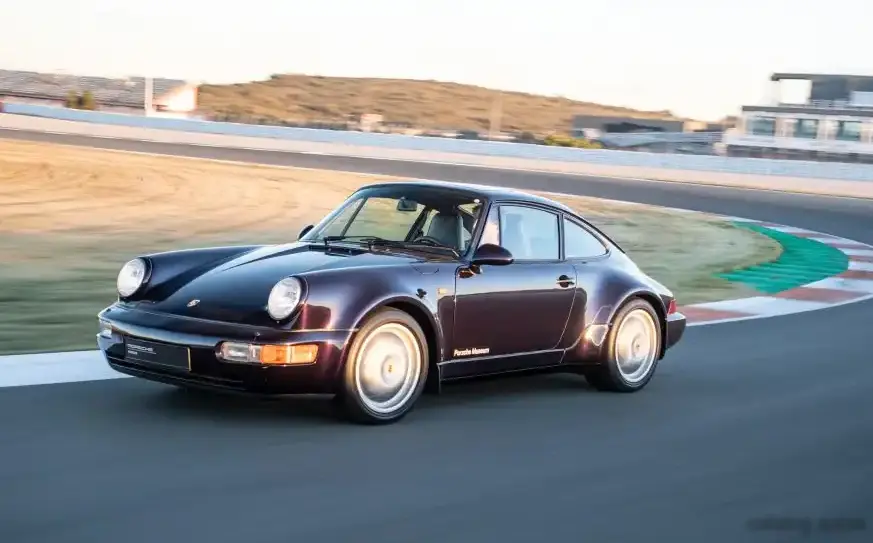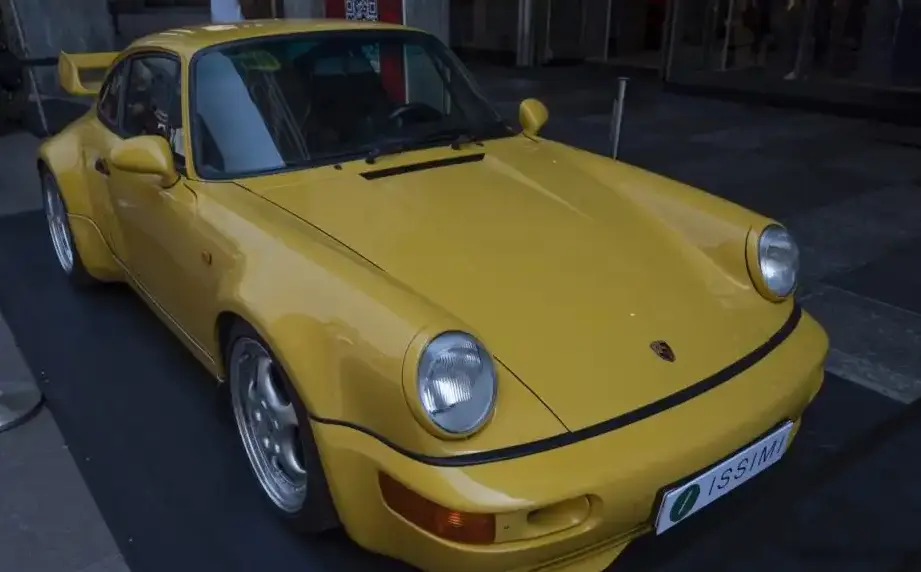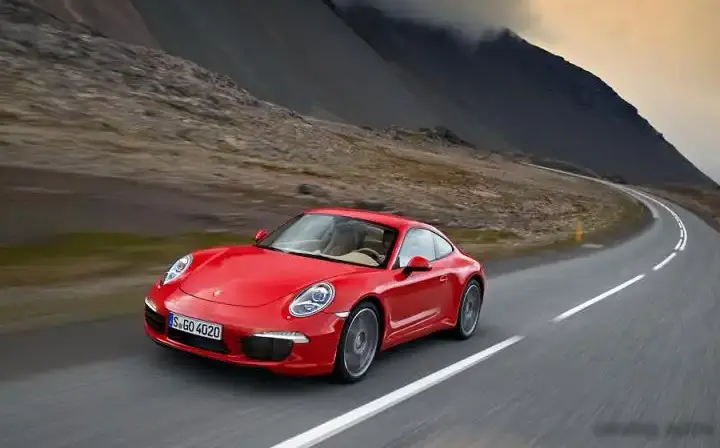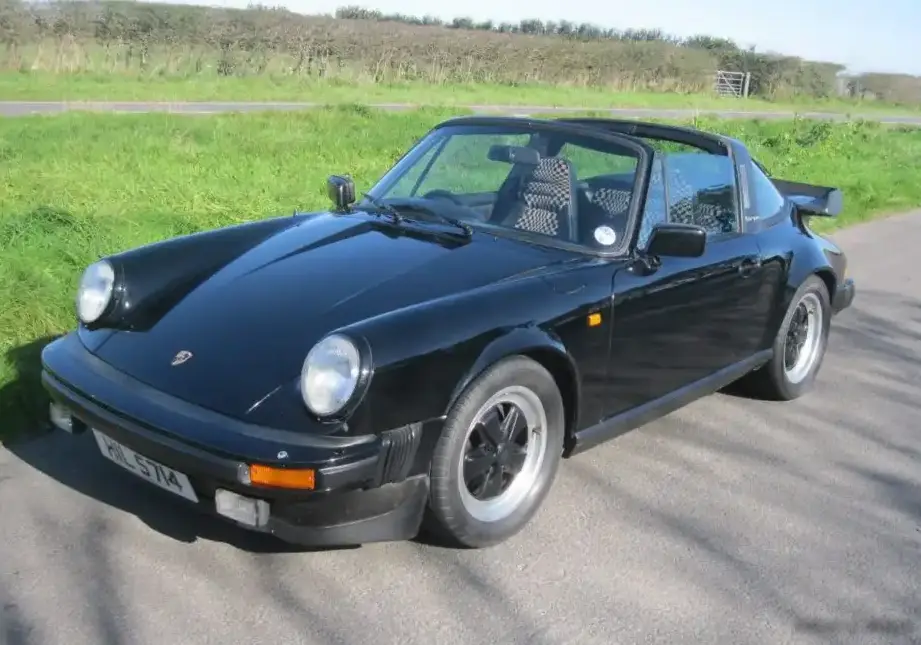
The Porsche 911 Targa (G) 3.0 SC, produced between 1977 and 1979, represents a pivotal point in the evolution of the iconic 911. Falling within the ‘G-Series’ (1974-1989) of the 911, this variant offered a unique blend of open-air motoring with the security of a roll bar, distinguishing it from both the coupe and cabriolet models. The 3.0 SC designation signified the engine displacement and the ‘Super Carrera’ performance level, positioning it as a step up from the base 911 Targa but below the more potent 911 Turbo. This model was primarily aimed at the North American market, where the Targa body style was particularly popular due to regulatory concerns regarding convertible top safety standards.
Technical Specifications
| Brand | Porsche |
| Model | 911 |
| Generation | 911 Targa (G) |
| Type (Engine) | 3.0 SC (180 Hp) |
| Start of production | 1977 |
| End of production | 1979 |
| Powertrain Architecture | Internal Combustion engine |
| Body type | Targa |
| Seats | 4 |
| Doors | 2 |
| Fuel consumption (combined) | 14-16 l/100 km (16.8 – 14.7 US mpg, 20.2 – 17.7 UK mpg, 7.1 – 6.3 km/l) |
| Fuel Type | Petrol (Gasoline) |
| Acceleration 0 – 100 km/h | 7 sec |
| Acceleration 0 – 62 mph | 7 sec |
| Acceleration 0 – 60 mph | 6.7 sec |
| Maximum speed | 225 km/h (139.81 mph) |
| Weight-to-power ratio | 6.4 kg/Hp, 156.5 Hp/tonne |
| Weight-to-torque ratio | 4.7 kg/Nm, 213 Nm/tonne |
| Power | 180 Hp @ 5500 rpm |
| Power per litre | 60.1 Hp/l |
| Torque | 245 Nm @ 4200 rpm (180.7 lb.-ft. @ 4200 rpm) |
| Maximum engine speed | 7000 rpm |
| Engine layout | Rear, Longitudinal |
| Engine Model/Code | 930.03 |
| Engine displacement | 2993 cm3 (182.64 cu. in.) |
| Number of cylinders | 6 |
| Engine configuration | Boxer |
| Cylinder Bore | 95 mm (3.74 in.) |
| Piston Stroke | 70.4 mm (2.77 in.) |
| Compression ratio | 9.3:1 |
| Number of valves per cylinder | 2 |
| Fuel injection system | Direct injection and Multi-port manifold injection |
| Engine aspiration | Naturally aspirated engine |
| Valvetrain | SOHC |
| Engine oil capacity | 10 l (10.57 US qt | 8.8 UK qt) |
| Kerb Weight | 1150 kg (2535.32 lbs.) |
| Max. weight | 1430 kg (3152.61 lbs.) |
| Max load | 280 kg (617.29 lbs.) |
| Fuel tank capacity | 80 l (21.13 US gal | 17.6 UK gal) |
| Permitted trailer load with brakes (12%) | 800 kg (1763.7 lbs.) |
| Permitted trailer load without brakes | 480 kg (1058.22 lbs.) |
| Length | 4291 mm (168.94 in.) |
| Width | 1652 mm (65.04 in.) |
| Height | 1340 mm (52.76 in.) |
| Wheelbase | 2272 mm (89.45 in.) |
| Front track | 1372 mm (54.02 in.) |
| Rear (Back) track | 1380 mm (54.33 in.) |
| Front overhang | 932 mm (36.69 in.) |
| Rear overhang | 1087 mm (42.8 in.) |
| Drivetrain Architecture | The Internal combustion engine (ICE) drives the rear wheels of the vehicle. |
| Drive wheel | Rear wheel drive |
| Number of gears and type of gearbox | 5 gears, manual transmission |
| Front suspension | Spring Strut, Wishbone |
| Rear suspension | Trailing arm |
| Front brakes | Disc |
| Rear brakes | Disc |
| Steering type | Steering rack and pinion |
| Tires size | 185/70 R15; 215/60 R15 |
| Wheel rims size | 6J x 15; 7J x 15 |
Powertrain & Engine Architecture
The heart of the 911 Targa 3.0 SC is the 930.03 engine, a 2.993-liter air-cooled flat-six (boxer) engine. This engine benefited from a revised fuel injection system – Bosch K-Jetronic – which improved fuel efficiency and throttle response compared to earlier 911 engines. The engine featured a single overhead camshaft (SOHC) design operating two valves per cylinder. The 9.3:1 compression ratio was a compromise between performance and reliability, allowing the engine to run on lower octane fuel commonly available in the US market. The engine’s longitudinal rear-mounted layout contributed to the 911’s distinctive handling characteristics. The standard transmission for this model was a five-speed manual, although a three-speed Sportomatic automatic transmission was offered as an option, though less common.
Driving Characteristics
The 180 hp output of the 3.0 SC Targa provided a respectable, though not overwhelming, level of performance. Acceleration from 0 to 60 mph took approximately 6.7 seconds, and the car could reach a top speed of around 139.81 mph. Compared to the more powerful 911 Carrera 3.0 Coupe, the Targa 3.0 SC felt slightly less urgent in its acceleration. The manual transmission offered precise shifts and allowed the driver to fully exploit the engine’s powerband. The Targa top, while providing an open-air experience, added weight compared to the coupe, slightly impacting handling. However, the well-tuned suspension – featuring spring struts at the front and trailing arms at the rear – ensured a relatively comfortable and controlled ride.
Equipment & Trim Levels
The 911 Targa 3.0 SC came reasonably well-equipped for its time. Standard features included leatherette upholstery, a leather steering wheel, and basic instrumentation. Optional extras were plentiful, allowing buyers to customize their cars. Popular options included air conditioning, a sunroof (in addition to the Targa top), power windows, and upgraded sound systems. Interior color choices were varied, allowing for personalization. The dashboard layout was typical of the G-Series 911, with a five-dial instrument cluster providing information on speed, engine rpm, oil pressure, oil temperature, and fuel level.
Chassis & Braking
The 911 Targa 3.0 SC utilized a robust chassis construction, featuring a monocoque steel body. The suspension system, as mentioned previously, consisted of spring struts at the front and trailing arms at the rear. Braking duties were handled by disc brakes on all four wheels, providing adequate stopping power for the car’s weight and performance. Steering was via a rack and pinion system, offering precise and responsive control. The Targa model weighed approximately 1150 kg (2535.32 lbs), making it slightly heavier than the coupe due to the reinforcement required for the removable roof panel and roll bar.
Market Reception & Comparison
The 911 Targa 3.0 SC was generally well-received by automotive critics. It was praised for its blend of performance, comfort, and open-air driving experience. However, some critics noted that the Targa top added weight and compromised structural rigidity compared to the coupe. Compared to the base 911 Targa, the 3.0 SC offered a noticeable performance improvement. Compared to the more expensive 911 Turbo, it provided a more accessible entry point into the 911 range. Fuel economy, while not a primary concern for 911 buyers, was reasonable for a sports car of its era, averaging around 16.8 – 14.7 US mpg.
Legacy
The 911 Targa 3.0 SC remains a highly sought-after classic Porsche today. Its air-cooled engine and classic 911 styling contribute to its enduring appeal. The 930.03 engine is known for its reliability, provided it has been properly maintained. However, like all classic Porsches, it requires regular servicing and attention to detail. Values for well-preserved examples have steadily increased in recent years, making it a solid investment for collectors. The 3.0 SC Targa represents a sweet spot in the 911 lineage, offering a compelling combination of performance, style, and driving enjoyment.