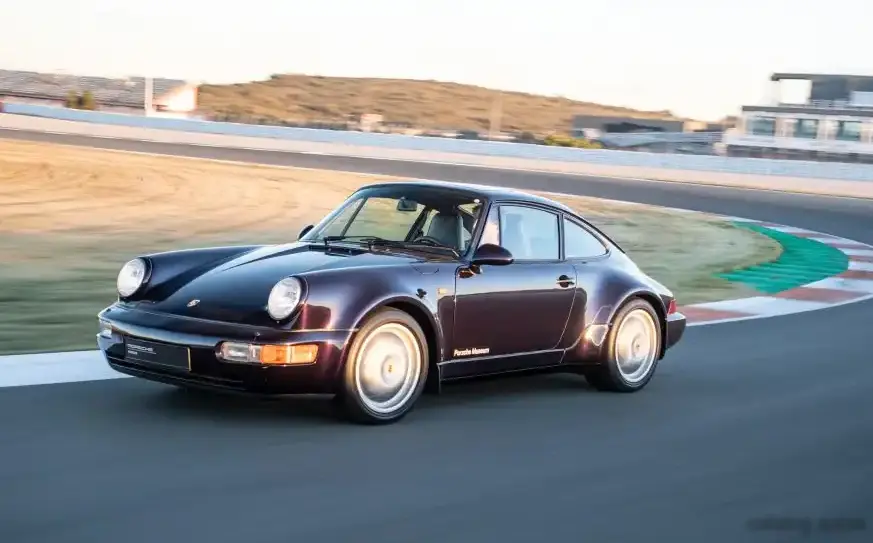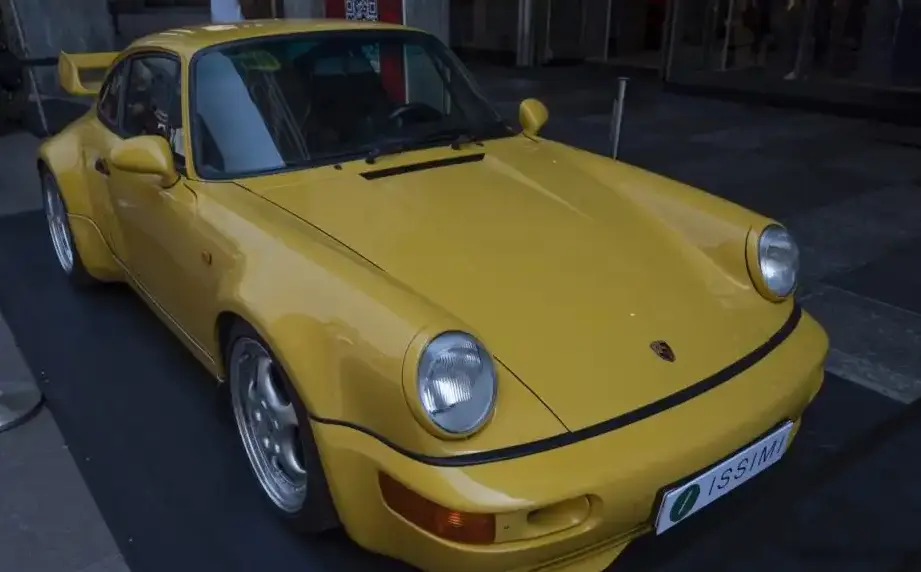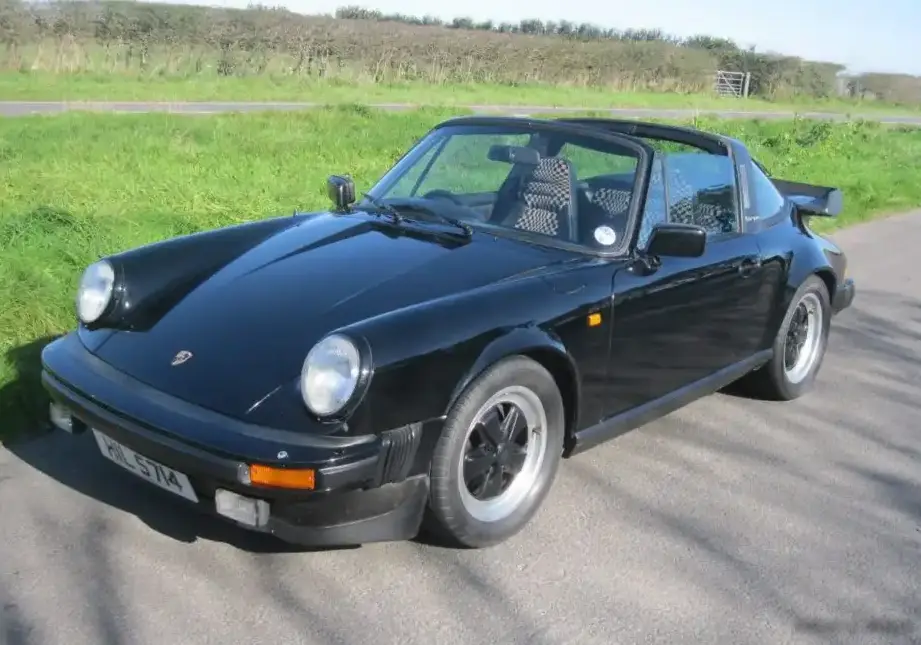
The Porsche 911 Targa (G) 3.0 SC, produced from 1979 to 1980, represents a pivotal moment in the evolution of the iconic 911. Falling within the G-Series (1974-1989) of the 911, the 3.0 SC Targa offered a compelling blend of performance, open-air driving enjoyment, and Porsche’s renowned engineering. It served as a mid-range offering within the Targa lineup, positioned above the base 911 Targa but below the more potent 911 Turbo. This variant was crucial in maintaining the 911’s appeal during a period of increasing emissions regulations and a growing demand for more refined sports cars.
Technical Specifications
| Brand | Porsche |
| Model | 911 |
| Generation | 911 Targa (G) |
| Type (Engine) | 3.0 SC (188 Hp) |
| Start of production | 1979 |
| End of production | 1980 |
| Powertrain Architecture | Internal Combustion engine |
| Body type | Targa |
| Seats | 4 |
| Doors | 2 |
| Fuel Type | Petrol (Gasoline) |
| Acceleration 0 – 100 km/h | 7 sec |
| Acceleration 0 – 62 mph | 7 sec |
| Acceleration 0 – 60 mph | 6.7 sec |
| Maximum speed | 225 km/h (139.81 mph) |
| Power | 188 Hp @ 5500 rpm |
| Power per litre | 62.8 Hp/l |
| Torque | 265 Nm @ 4200 rpm (195.45 lb.-ft. @ 4200 rpm) |
| Maximum engine speed | 7000 rpm |
| Engine layout | Rear, Longitudinal |
| Engine Model/Code | 930.09 |
| Engine displacement | 2994 cm3 (182.71 cu. in.) |
| Number of cylinders | 6 |
| Engine configuration | Boxer |
| Cylinder Bore | 95 mm (3.74 in.) |
| Piston Stroke | 70.4 mm (2.77 in.) |
| Compression ratio | 8.6:1 |
| Number of valves per cylinder | 2 |
| Fuel injection system | Multi-port manifold injection |
| Engine aspiration | Naturally aspirated engine |
| Valvetrain | SOHC |
| Engine oil capacity | 10 l (10.57 US qt | 8.8 UK qt) |
| Fuel tank capacity | 80 l (21.13 US gal | 17.6 UK gal) |
| Length | 4291 mm (168.94 in.) |
| Width | 1652 mm (65.04 in.) |
| Height | 1320 mm (51.97 in.) |
| Wheelbase | 2272 mm (89.45 in.) |
| Front track | 1369 mm (53.9 in.) |
| Rear (Back) track | 1379 mm (54.29 in.) |
| Drivetrain Architecture | The Internal combustion engine (ICE) drives the rear wheels of the vehicle. |
| Drive wheel | Rear wheel drive |
| Number of gears and type of gearbox | 5 gears, manual transmission |
| Front suspension | Spring Strut, Wishbone |
| Rear suspension | Trailing arm |
| Front brakes | Ventilated discs, 282.5 mm |
| Rear brakes | Ventilated discs, 290 mm |
| Steering type | Steering rack and pinion |
| Tires size | Front wheel tires: 185/70 R15Rear wheel tires: 215/60 R15 |
| Wheel rims size | 7J x 15; 6J x 15 |
Powertrain & Engine Architecture
The heart of the 911 Targa 3.0 SC is the 930.09 engine, a 2994cc air-cooled, naturally aspirated flat-six (boxer) engine. This engine benefited from Bosch K-Jetronic fuel injection, a mechanical system known for its reliability and precise fuel delivery. The single overhead camshaft (SOHC) design operated two valves per cylinder. The 3.0-liter engine produced 188 horsepower at 5500 rpm and 195 lb-ft of torque at 4200 rpm. The engine’s longitudinal rear placement and rear-wheel drive configuration were hallmarks of the 911 design. The 3.0 SC was exclusively offered with a five-speed manual transmission, providing a direct connection between the driver and the engine’s power. This transmission featured a robust design, capable of handling the engine’s output and contributing to the car’s sporty driving experience.
Driving Characteristics
The 911 Targa 3.0 SC delivered a distinctly Porsche driving experience. The 3.0-liter engine, while not the most powerful in the 911 range, provided ample performance for spirited driving. Acceleration from 0-60 mph took approximately 6.7 seconds, and the car could reach a top speed of around 140 mph. The five-speed manual transmission allowed drivers to fully exploit the engine’s powerband. The rear-engine layout contributed to a unique handling characteristic – a tendency towards oversteer – which required skilled driving but also offered a rewarding experience for enthusiasts. The Targa top, with its removable roof panel, provided an open-air driving experience without sacrificing the structural rigidity of a coupe.
Equipment & Trim Levels
The 911 Targa 3.0 SC came reasonably well-equipped for its time. Standard features included leatherette upholstery, a leather steering wheel, and a basic sound system. Optional extras were plentiful, allowing buyers to customize their cars to their preferences. Popular options included upgraded sound systems, air conditioning, power windows, and sport seats. The interior design was functional and driver-focused, with clear instrumentation and a comfortable driving position. The Targa-specific roll bar was a prominent feature of the interior, adding to the car’s safety and sporty character.
Chassis & Braking
The 911 Targa 3.0 SC utilized a robust chassis with independent suspension on all four wheels. The front suspension featured spring struts and wishbones, while the rear suspension employed trailing arms. This setup provided a good balance of ride comfort and handling performance. Braking duties were handled by ventilated disc brakes on all four wheels, offering excellent stopping power. The braking system was unassisted, requiring a firm pedal effort but providing precise control. The car’s relatively light weight (around 2,800 lbs) contributed to its agile handling and responsive braking.
Market Reception & Comparison
The 911 Targa 3.0 SC was generally well-received by automotive critics. It was praised for its performance, handling, and distinctive styling. Compared to the base 911 Targa, the 3.0 SC offered a significant power increase and improved performance. Compared to the more expensive 911 Turbo, the 3.0 SC provided a more accessible entry point into the 911 range. Fuel economy was reasonable for a sports car of its era, averaging around 18-20 mpg. Reliability was generally good, although the air-cooled engine required regular maintenance to prevent issues.
Legacy
The Porsche 911 Targa 3.0 SC remains a highly sought-after classic car today. Its combination of performance, style, and open-air driving enjoyment has made it a favorite among Porsche enthusiasts. The 3.0-liter engine is known for its durability and relatively straightforward maintenance. However, like all classic Porsches, regular maintenance and careful ownership are essential to keep these cars in top condition. The 911 Targa 3.0 SC represents a sweet spot in the 911 lineage, offering a classic Porsche experience without the exorbitant price tag of some of the more rare and collectible models. Its enduring appeal is a testament to Porsche’s engineering prowess and the timeless design of the 911.