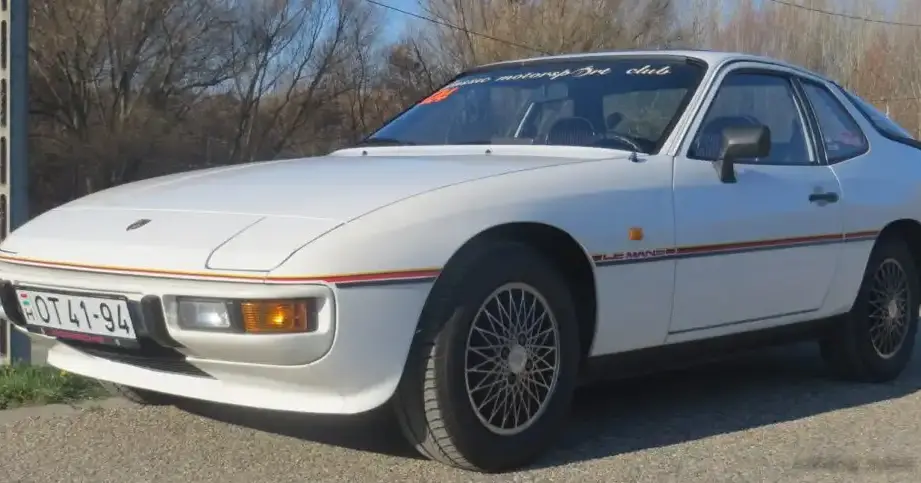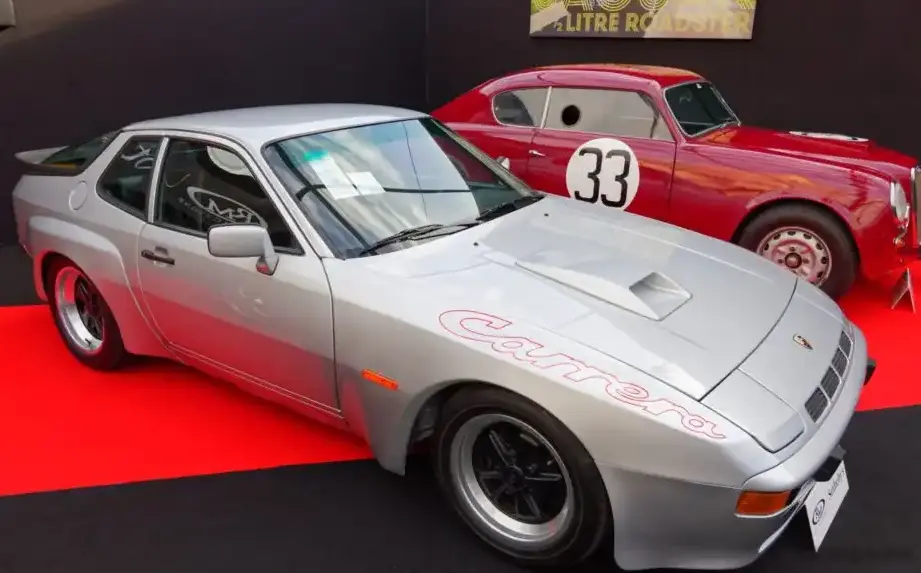
The Porsche 924 2.5 S, produced from 1980 to 1987, represented a significant step forward in the 924 model line. Positioned as the performance variant, it addressed criticisms leveled at the earlier 2.0-liter models regarding power output. The 2.5 S sat at the top of the 924 range, offering a more engaging driving experience than the base 2.0 and the fuel-injected 2.0L models. It was a key component of Porsche’s attempt to broaden its appeal and offer a more accessible sports car, while still maintaining the brand’s engineering standards. The 924 platform (internal code 924) was Porsche’s first front-engined, rear-wheel-drive production model, a departure from the traditional rear-engined layout that defined the 911.
Technical Specifications
| Brand | Porsche |
| Model | 924 |
| Generation | 924 |
| Type (Engine) | 2.5 S (150 Hp) |
| Start of production | 1980 |
| End of production | 1987 |
| Powertrain Architecture | Internal Combustion engine |
| Body type | Coupe |
| Seats | 4 |
| Doors | 2 |
| Fuel consumption (urban) | 12.3 l/100 km (19.1 US mpg, 23 UK mpg, 8.1 km/l) |
| Fuel consumption (extra urban) | 6.1-8.1 l/100 km (38.6 – 29 US mpg, 46.3 – 34.9 UK mpg, 16.4 – 12.3 km/l) |
| Fuel Type | Petrol (Gasoline) |
| Acceleration 0 – 100 km/h | 8.5 sec |
| Acceleration 0 – 62 mph | 8.5 sec |
| Acceleration 0 – 60 mph | 8.1 sec |
| Maximum speed | 215 km/h (133.59 mph) |
| Weight-to-power ratio | 7.9 kg/Hp, 126.1 Hp/tonne |
| Weight-to-torque ratio | 6.1 kg/Nm, 163.9 Nm/tonne |
| Power | 150 Hp @ 5800 rpm |
| Power per litre | 60.5 Hp/l |
| Torque | 195 Nm @ 3000 rpm (143.82 lb.-ft. @ 3000 rpm) |
| Engine layout | Front, Longitudinal |
| Engine Model/Code | M31.02 |
| Engine displacement | 2479 cm3 (151.28 cu. in.) |
| Number of cylinders | 4 |
| Engine configuration | Inline |
| Cylinder Bore | 100 mm (3.94 in.) |
| Piston Stroke | 78.9 mm (3.11 in.) |
| Compression ratio | 9.7:1 |
| Number of valves per cylinder | 2 |
| Fuel injection system | Multi-port manifold injection |
| Engine aspiration | Naturally aspirated engine |
| Valvetrain | SOHC |
| Engine oil capacity | 6 l (6.34 US qt | 5.28 UK qt) |
| Coolant | 8.5 l (8.98 US qt | 7.48 UK qt) |
| Kerb Weight | 1190 kg (2623.5 lbs.) |
| Max. weight | 1510 kg (3328.98 lbs.) |
| Max load | 320 kg (705.48 lbs.) |
| Fuel tank capacity | 66 l (17.44 US gal | 14.52 UK gal) |
| Permitted trailer load with brakes (12%) | 1200 kg (2645.55 lbs.) |
| Permitted trailer load without brakes | 500 kg (1102.31 lbs.) |
| Length | 4212 mm (165.83 in.) |
| Width | 1685 mm (66.34 in.) |
| Height | 1275 mm (50.2 in.) |
| Wheelbase | 2400 mm (94.49 in.) |
| Front track | 1419 mm (55.87 in.) |
| Rear track | 1393 mm (54.84 in.) |
| Ride height (ground clearance) | 120 mm (4.72 in.) |
| Minimum turning circle | 10.3 m (33.79 ft.) |
| Drivetrain Architecture | Rear wheel drive |
| Number of gears and type of gearbox | 5 gears, manual transmission |
| Front suspension | Independent type McPherson, Transverse stabilizer |
| Rear suspension | Torsion |
| Front brakes | Ventilated discs |
| Rear brakes | Ventilated discs |
| Steering type | Steering rack and pinion |
| Power steering | Hydraulic Steering |
| Tires size | 195/65 R15 |
| Wheel rims size | 6J x 15 |
Powertrain & Engine Architecture
The heart of the 924 2.5 S is the M31.02 engine, a naturally aspirated 2.5-liter inline-four cylinder. This engine was derived from the Volkswagen EA827 series, but significantly modified by Porsche. Key changes included a revised cylinder head with larger valves and optimized porting, a higher compression ratio of 9.7:1, and Bosch K-Jetronic fuel injection. The K-Jetronic system, a mechanical continuous fuel injection, was known for its reliability and precise fuel delivery, though it could be sensitive to maintenance. The engine featured a single overhead camshaft (SOHC) valvetrain, operating two valves per cylinder. The engine’s longitudinal front-engine layout and rear-wheel drive configuration provided a balanced weight distribution, contributing to the car’s handling characteristics. The 924 2.5 S exclusively came with a five-speed manual transmission, offering precise gear changes and enhancing the driver’s connection to the engine.
Driving Characteristics
The 924 2.5 S offered a noticeable improvement in performance over the earlier 2.0-liter models. The 150 horsepower and 144 lb-ft of torque provided brisk acceleration, with a 0-60 mph time of around 8.1 seconds and a top speed of 133.59 mph. While not a powerhouse by modern standards, the 2.5 S felt lively and responsive. The five-speed manual transmission allowed drivers to keep the engine in its sweet spot, maximizing power delivery. The gear ratios were well-chosen for both everyday driving and spirited performance. Compared to the base 924, the 2.5 S felt significantly more capable, offering a more engaging and rewarding driving experience. The handling was balanced and predictable, thanks to the front-engine, rear-wheel-drive layout and well-tuned suspension.
Equipment & Trim Levels
The 2.5 S was generally well-equipped for its time. Standard features included power-assisted steering, ventilated disc brakes on all four wheels, and a comfortable interior with cloth upholstery. The dashboard layout was functional and driver-focused, with clear instrumentation. Optional extras included leather upholstery, sunroof, air conditioning, and upgraded sound systems. The 2.5 S also featured a distinctive front spoiler and rear window wiper, setting it apart visually from the lower-spec 924 models. The interior trim was typically more refined than the base 924, with higher-quality materials and attention to detail.
Chassis & Braking
The 924 2.5 S utilized an independent McPherson strut suspension at the front, with a transverse stabilizer bar to reduce body roll. The rear suspension employed a torsion beam setup, which was relatively simple but effective in providing a comfortable ride and predictable handling. The braking system consisted of ventilated discs on all four wheels, providing ample stopping power. The hydraulic power steering made the car easy to maneuver at low speeds, while still providing good feedback at higher speeds. The 15-inch wheels were typically fitted with 195/65 R15 tires, offering a good balance of grip and ride comfort.
Market Reception & Comparison
The 924 2.5 S was generally well-received by automotive critics. It was praised for its improved performance, balanced handling, and comfortable ride. However, some critics noted that the engine lacked the character and sound of Porsche’s traditional six-cylinder engines. Compared to the base 924, the 2.5 S offered a significant upgrade in performance and refinement, justifying its higher price tag. Compared to the later 944, the 924 2.5 S was less sophisticated but offered a more affordable entry point into Porsche ownership. Fuel economy was reasonable for a sports car of its era, averaging around 29-39 mpg on the highway.
Legacy
The Porsche 924 2.5 S remains a popular choice among enthusiasts today. The M31.02 engine is generally considered to be reliable, although regular maintenance is essential, particularly for the K-Jetronic fuel injection system. Parts availability is generally good, although some specific components can be difficult to find. The 924 2.5 S offers a unique blend of Porsche engineering and affordability, making it an attractive option for those seeking a classic sports car experience. Its front-engine layout and balanced handling make it a rewarding car to drive, and its distinctive styling continues to turn heads. Well-maintained examples are appreciating in value, reflecting their growing popularity among collectors.