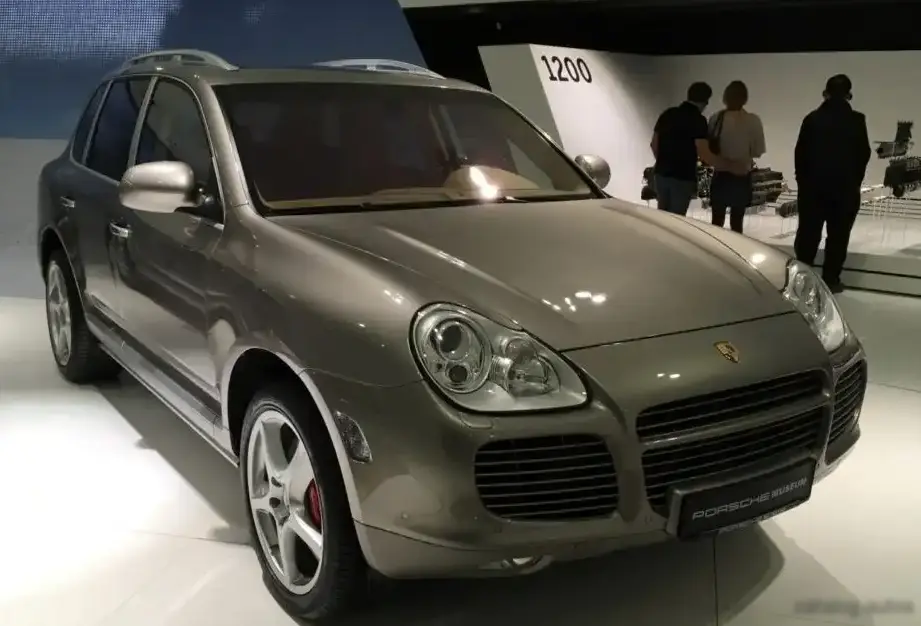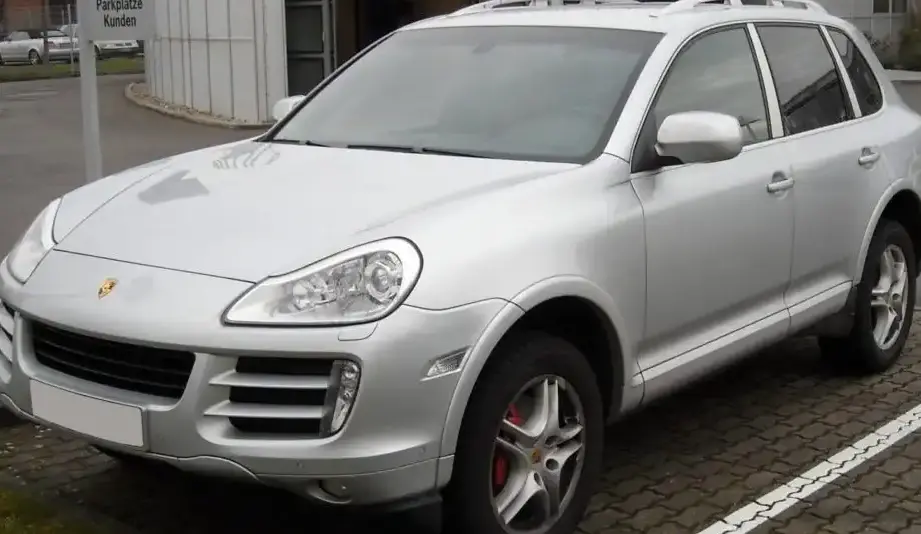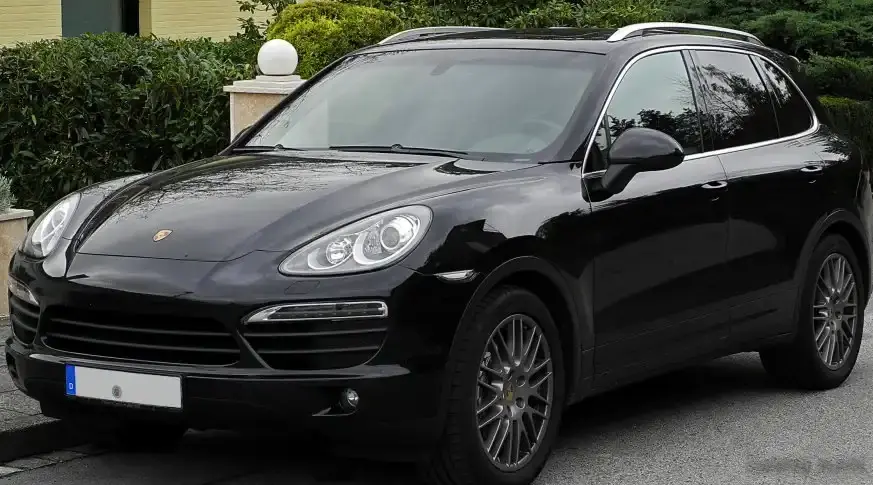
The Porsche Cayenne II, introduced in 2010, represented a significant evolution of Porsche’s successful entry into the luxury SUV market. The 3.6 V6 variant, producing 300 horsepower, was a core model within the second-generation Cayenne (958) lineup, spanning production through 2014. Positioned as a more accessible entry point into the Cayenne range compared to the V8 models, it aimed to balance performance with improved fuel efficiency and a lower price tag. This model played a crucial role in broadening the Cayenne’s appeal to a wider customer base, particularly in North America and Europe.
Technical Specifications
| Brand | Porsche |
| Model | Cayenne |
| Generation | Cayenne II |
| Type (Engine) | 3.6 V6 (300 Hp) |
| Start of production | 2010 |
| End of production | 2014 |
| Powertrain Architecture | Internal Combustion engine |
| Body type | SUV |
| Seats | 5 |
| Doors | 5 |
| Fuel consumption (economy) – urban | 15.9 l/100 km (14.8 US mpg, 17.8 UK mpg, 6.3 km/l) |
| Fuel consumption (economy) – extra urban | 8.4 l/100 km (28 US mpg, 33.6 UK mpg, 11.9 km/l) |
| Fuel consumption (economy) – combined | 11.2 l/100 km (21 US mpg, 25.2 UK mpg, 8.9 km/l) |
| CO2 emissions | 236 g/km |
| Fuel Type | Petrol (Gasoline) |
| Acceleration 0 – 100 km/h | 7.5 sec |
| Acceleration 0 – 62 mph | 7.5 sec |
| Acceleration 0 – 60 mph | 7.1 sec |
| Maximum speed | 230 km/h (142.92 mph) |
| Emission standard | Euro 5 |
| Weight-to-power ratio | 6.7 kg/Hp, 150.4 Hp/tonne |
| Weight-to-torque ratio | 5 kg/Nm, 200.5 Nm/tonne |
| Power | 300 Hp @ 6300 rpm |
| Power per litre | 83.4 Hp/l |
| Torque | 400 Nm @ 3000 rpm (295.02 lb.-ft. @ 3000 rpm) |
| Engine layout | Front, Longitudinal |
| Engine Model/Code | M55.02 |
| Engine displacement | 3598 cm3 (219.56 cu. in.) |
| Number of cylinders | 6 |
| Engine configuration | V-engine |
| Cylinder Bore | 89 mm (3.5 in.) |
| Piston Stroke | 96.4 mm (3.8 in.) |
| Compression ratio | 11.7:1 |
| Number of valves per cylinder | 4 |
| Fuel injection system | Direct injection |
| Engine aspiration | Naturally aspirated engine |
| Engine oil capacity | 6.9 l (7.29 US qt | 6.07 UK qt) |
| Kerb Weight | 1995 kg (4398.22 lbs.) |
| Max. weight | 2765 kg (6095.78 lbs.) |
| Max load | 770 kg (1697.56 lbs.) |
| Trunk (boot) space – minimum | 670 l (23.66 cu. ft.) |
| Trunk (boot) space – maximum | 1780 l (62.86 cu. ft.) |
| Fuel tank capacity | 85 l (22.45 US gal | 18.7 UK gal) |
| Length | 4846 mm (190.79 in.) |
| Width | 1939 mm (76.34 in.) |
| Width including mirrors | 2155 mm (84.84 in.) |
| Height | 1705 mm (67.13 in.) |
| Wheelbase | 2895 mm (113.98 in.) |
| Front track | 1655 mm (65.16 in.) |
| Rear (Back) track | 1669 mm (65.71 in.) |
| Ride height (ground clearance) | 215 mm (8.46 in.) |
| Drag coefficient (Cd) | 0.36 |
| Approach angle | 26° |
| Departure angle | 24.5° |
| Ramp-over (brakeover) angle | 20.5° |
| Wading depth | 500 mm (19.69 in.) |
| Drive wheel | All wheel drive (4×4) |
| Number of gears and type of gearbox | 6 gears, manual transmission |
| Front suspension | Double wishbone |
| Rear suspension | Independent multi-link suspension |
| Front brakes | Ventilated discs |
| Rear brakes | Ventilated discs |
| Assisting systems | ABS (Anti-lock braking system) |
| Steering type | Steering rack and pinion |
| Power steering | Electric Steering |
| Tires size | 255/55 R18 |
| Wheel rims size | 8J x 18 |
Powertrain & Engine Architecture
The heart of the Cayenne II 3.6 V6 is the M55.02 engine, a naturally aspirated 3.6-liter V6. This engine utilizes direct fuel injection (DFI), a technology that significantly improved fuel efficiency and power output compared to earlier port-injection systems. The DFI system injects fuel directly into the combustion chamber, allowing for more precise fuel metering and a higher compression ratio of 11.7:1. The engine features four valves per cylinder, operated by dual overhead camshafts, contributing to its responsive nature. The 6-speed manual transmission was standard, offering drivers a direct connection to the engine’s power. While an 8-speed Tiptronic S automatic transmission was available as an option, the manual was favored by enthusiasts for its engagement and control.
Driving Characteristics
The 300 horsepower and 295 lb-ft of torque provided by the 3.6 V6 engine delivered respectable performance for a luxury SUV. Acceleration from 0-60 mph took approximately 7.1 seconds, and it reached a top speed of 143 mph. Compared to the Cayenne S (with its V8 engine), the 3.6 V6 offered a more relaxed driving experience. The manual transmission, when equipped, provided precise gear changes and allowed drivers to fully exploit the engine’s powerband. The automatic, while smooth, felt slightly less engaging. The Cayenne’s all-wheel-drive system provided excellent traction in various conditions, enhancing stability and confidence. The suspension, tuned for comfort, absorbed bumps effectively, making it a pleasant vehicle for long journeys.
Equipment & Trim Levels
The base Cayenne 3.6 V6 came standard with a generous array of features, including leather upholstery, dual-zone automatic climate control, a power liftgate, and a premium audio system. Optional extras included navigation, adaptive cruise control, heated seats, and a panoramic sunroof. Interior trim options ranged from standard leather to more luxurious Alcantara and wood combinations. The Cayenne’s interior was well-appointed and offered a comfortable and spacious environment for both driver and passengers.
Chassis & Braking
The Cayenne II utilized a robust chassis with a double-wishbone front suspension and an independent multi-link rear suspension. This setup provided a good balance between ride comfort and handling precision. The 3.6 V6 models typically featured ventilated disc brakes on all four wheels, providing ample stopping power. Anti-lock braking system (ABS) was standard, enhancing safety and control during emergency braking situations. The Cayenne’s suspension was tuned to accommodate its weight and provide a stable and predictable driving experience.
Market Reception & Comparison
The Cayenne II 3.6 V6 was generally well-received by automotive critics. It was praised for its comfortable ride, spacious interior, and improved fuel efficiency compared to the V8 models. However, some critics noted that the engine lacked the outright performance of its more powerful siblings. Compared to the Cayenne S, the 3.6 V6 offered a more affordable entry point into the Cayenne lineup, making it attractive to a wider range of buyers. Its fuel economy, averaging around 21 mpg combined, was also a significant advantage over the V8 models. Reliability was generally good, although some owners reported issues with the direct fuel injection system over the long term.
Legacy
The Porsche Cayenne II 3.6 V6 remains a popular choice in the used car market. Its combination of luxury, performance, and relative affordability makes it an attractive option for buyers seeking a high-end SUV. The M55.02 engine, while not without its potential issues (such as carbon buildup on the intake valves, a common issue with direct injection engines), is generally considered reliable when properly maintained. The Cayenne II 3.6 V6 helped solidify Porsche’s position as a major player in the luxury SUV segment and continues to be appreciated by enthusiasts for its blend of practicality and driving enjoyment.