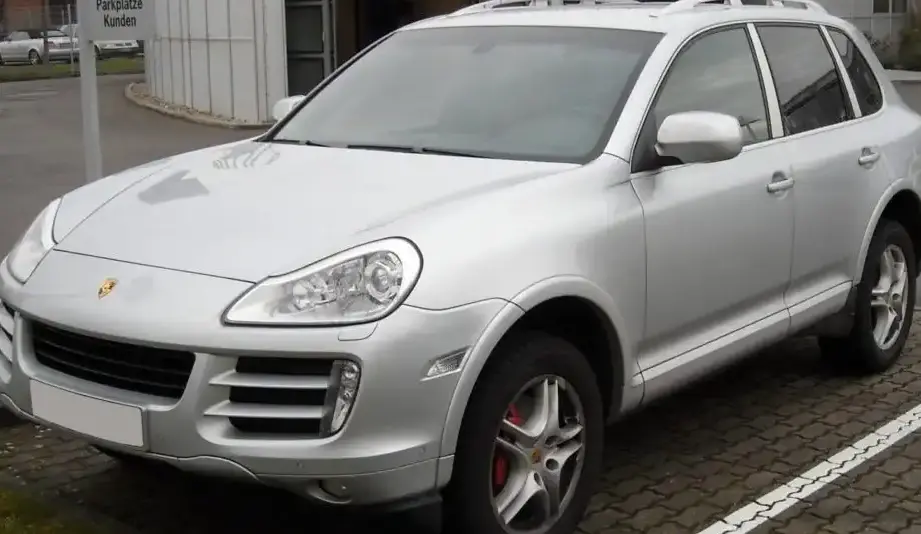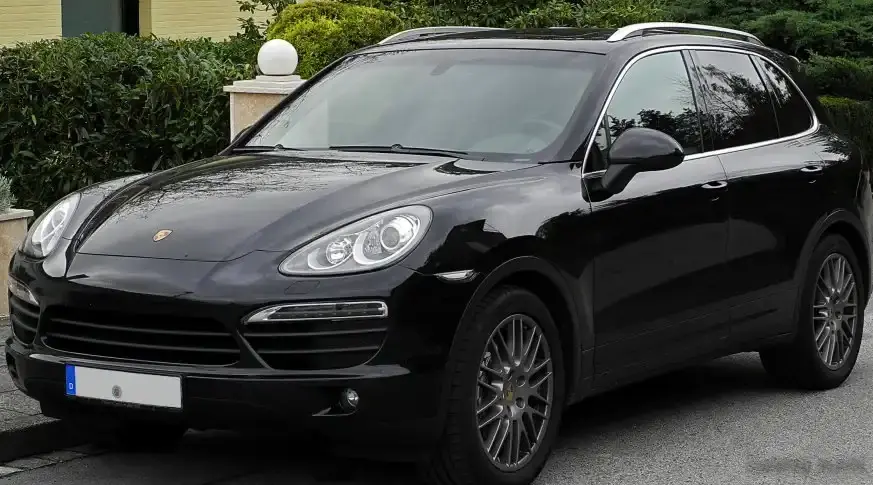
The Porsche Cayenne II Diesel 3.0 V6 (245 hp) Tiptronic, produced between 2011 and 2014, represented a significant offering in Porsche’s second-generation Cayenne lineup (the 958 platform). Positioned as a mid-range option, it aimed to balance the performance expected of the Cayenne brand with improved fuel efficiency and a more accessible price point compared to the gasoline-powered variants and the higher-output diesel. This model was primarily targeted at European and Asian markets where diesel engines enjoyed greater popularity, though it was also available in North America. It offered a compelling alternative for buyers seeking a luxury SUV with strong torque and reasonable running costs.
Technical Specifications
| Brand | Porsche |
| Model | Cayenne |
| Generation | Cayenne II |
| Type (Engine) | Diesel 3.0 V6 (245 Hp) Tiptronic |
| Start of production | 2011 |
| End of production | 2014 |
| Powertrain Architecture | Internal Combustion engine |
| Body type | SUV |
| Seats | 5 |
| Doors | 5 |
| Fuel consumption (urban) | 8.7 l/100 km (27 US mpg, 32.5 UK mpg, 11.5 km/l) |
| Fuel consumption (extra urban) | 6.6 l/100 km (35.6 US mpg, 42.8 UK mpg, 15.2 km/l) |
| Fuel consumption (combined) | 7.4 l/100 km (31.8 US mpg, 38.2 UK mpg, 13.5 km/l) |
| CO2 emissions | 195 g/km |
| Fuel Type | Diesel |
| Acceleration 0 – 100 km/h | 7.8 sec |
| Acceleration 0 – 62 mph | 7.8 sec |
| Acceleration 0 – 60 mph | 7.4 sec |
| Maximum speed | 218 km/h (135.46 mph) |
| Emission standard | Euro 5 |
| Weight-to-power ratio | 8.6 kg/Hp, 116.7 Hp/tonne |
| Weight-to-torque ratio | 3.8 kg/Nm, 261.9 Nm/tonne |
| Power | 245 Hp @ 3800-4400 rpm |
| Power per litre | 82.6 Hp/l |
| Torque | 550 Nm @ 2000-2250 rpm (405.66 lb.-ft. @ 2000-2250 rpm) |
| Engine layout | Front, Longitudinal |
| Engine Model/Code | CRC |
| Engine displacement | 2967 cm3 (181.06 cu. in.) |
| Number of cylinders | 6 |
| Engine configuration | V-engine |
| Cylinder Bore | 83 mm (3.27 in.) |
| Piston Stroke | 91.4 mm (3.6 in.) |
| Compression ratio | 16.8:1 |
| Number of valves per cylinder | 4 |
| Fuel injection system | Diesel Commonrail |
| Engine aspiration | Turbocharger, Intercooler |
| Engine oil capacity | 7.7 l (8.14 US qt | 6.78 UK qt) |
| Kerb Weight | 2100 kg (4629.71 lbs.) |
| Max. weight | 2860 kg (6305.22 lbs.) |
| Max load | 760 kg (1675.51 lbs.) |
| Trunk (boot) space – minimum | 670 l (23.66 cu. ft.) |
| Trunk (boot) space – maximum | 1780 l (62.86 cu. ft.) |
| Fuel tank capacity | 85 l (22.45 US gal | 18.7 UK gal) |
| Length | 4846 mm (190.79 in.) |
| Width | 1939 mm (76.34 in.) |
| Height | 1705 mm (67.13 in.) |
| Wheelbase | 2895 mm (113.98 in.) |
| Front track | 1655 mm (65.16 in.) |
| Rear (Back) track | 1669 mm (65.71 in.) |
| Ride height (ground clearance) | 215 mm (8.46 in.) |
| Drag coefficient (Cd) | 0.36 |
| Approach angle | 26° |
| Departure angle | 24.5° |
| Ramp-over (brakeover) angle | 20.5° |
| Wading depth | 500 mm (19.69 in.) |
| Drive wheel | All wheel drive (4×4) |
| Number of gears and type of gearbox | 8 gears, automatic transmission Tiptronic |
| Front suspension | Double wishbone |
| Rear suspension | Independent multi-link suspension |
| Front brakes | Ventilated discs |
| Rear brakes | Ventilated discs |
| Assisting systems | ABS (Anti-lock braking system) |
| Steering type | Steering rack and pinion |
| Power steering | Electric Steering |
| Tires size | 255/55 R18 |
| Wheel rims size | 8J x 18 |
Powertrain & Engine Architecture
The heart of this Cayenne variant is the 3.0-liter V6 diesel engine, internally designated as the CRC. This engine is a member of the Volkswagen Group’s modular engine family, sharing architecture with similar diesel engines found in Audi and Volkswagen models. It features a common rail direct injection system, delivering fuel at extremely high pressures for optimized combustion. The engine utilizes a variable geometry turbocharger (VGT) and an intercooler to enhance power and efficiency. The V6 configuration provides a good balance of smoothness and power delivery. The engine produces 550 Nm (405.66 lb-ft) of torque between 2000 and 2250 rpm, making it particularly well-suited for towing and effortless cruising. Paired with the engine is Porsche’s Tiptronic S 8-speed automatic transmission. This transmission offers both fully automatic operation and manual gear selection via steering wheel-mounted paddles or the gear selector. The Tiptronic S is known for its smooth and responsive shifts, contributing to a refined driving experience.
Driving Characteristics
The 245 hp and 550 Nm of torque provide the Cayenne II Diesel with respectable performance. Acceleration from 0-60 mph takes approximately 7.4 seconds, and it achieves a top speed of 218 km/h (135.46 mph). However, the focus isn’t on outright speed but on effortless power delivery. The abundance of torque makes overtaking easy and provides a relaxed driving experience, even when fully loaded. Compared to the gasoline-powered Cayenne models, the diesel offers superior fuel economy and a more relaxed driving style. Against the higher-output diesel variants (like the 3.0 S Diesel), this version feels less urgent in its acceleration, but the difference is often negligible in everyday driving. The Tiptronic transmission is well-matched to the engine, providing smooth gear changes and allowing the driver to maintain optimal engine speed for various driving conditions.
Equipment & Trim Levels
The 3.0 V6 Diesel Tiptronic Cayenne typically came equipped with a generous level of standard features. These included leather upholstery, dual-zone automatic climate control, a touchscreen infotainment system with navigation, and a power liftgate. Common optional extras included adaptive air suspension, panoramic sunroof, upgraded sound systems (Bose or Burmester), and various interior trim options. The Cayenne offered a high degree of customization, allowing buyers to tailor the vehicle to their specific preferences. While not as lavishly equipped as the higher-end Cayenne models, this variant provided a comfortable and well-appointed interior.
Chassis & Braking
The Cayenne II features a fully independent suspension system, with double wishbones at the front and a multi-link setup at the rear. This provides a comfortable ride and good handling characteristics. The standard brakes consisted of ventilated discs all around, providing ample stopping power. Porsche’s Porsche Stability Management (PSM) system is standard, enhancing stability and control in challenging driving conditions. The suspension tuning was generally geared towards comfort, but the Cayenne still offered a surprisingly capable handling experience for a vehicle of its size and weight.
Market Reception & Comparison
The Cayenne II Diesel 3.0 V6 Tiptronic was generally well-received by automotive critics. It was praised for its fuel efficiency, comfortable ride, and strong torque output. However, some reviewers noted that the engine lacked the refinement and responsiveness of the gasoline-powered variants. Compared to the 3.6-liter V6 gasoline model, the diesel offered significantly better fuel economy but slightly slower acceleration. Against the more powerful diesel options, it represented a more affordable entry point into the Cayenne range, appealing to buyers who prioritized efficiency and value over outright performance.
Legacy
The CRC engine, while generally reliable, has been known to exhibit issues with the diesel particulate filter (DPF) and the glow plug system, particularly if not properly maintained. The Tiptronic S transmission is also generally robust, but regular fluid changes are crucial for long-term reliability. Today, the Cayenne II Diesel 3.0 V6 Tiptronic represents a relatively affordable entry point into Porsche ownership. Well-maintained examples can still provide years of reliable service, offering a blend of luxury, performance, and fuel efficiency. However, potential buyers should be aware of the potential maintenance costs associated with diesel engines and the importance of a thorough pre-purchase inspection.