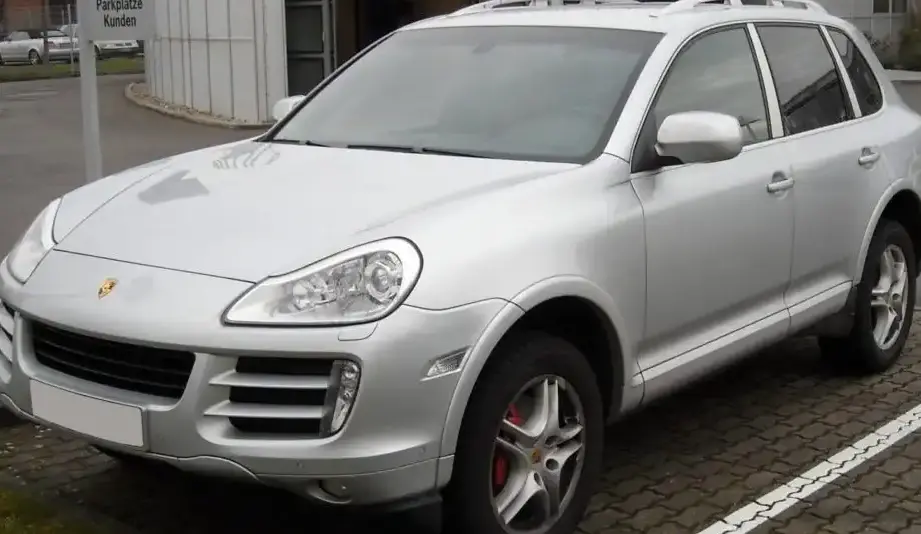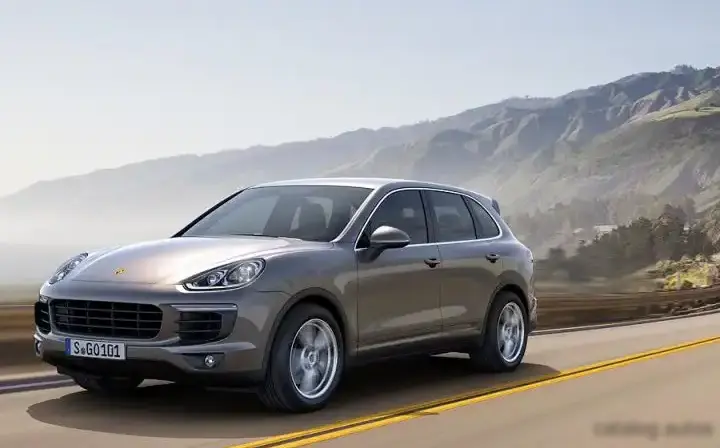
The Porsche Cayenne II (facelift, introduced in 2014) represented a significant mid-cycle refresh for Porsche’s popular luxury SUV. Among the various engine options offered, the 3.0-liter diesel V6 producing 262 horsepower and paired with the Tiptronic S automatic transmission held a unique position. Production of this specific configuration ran from 2014 to 2017, catering to European markets and increasingly, diesel-friendly regions globally. This variant aimed to balance performance, fuel efficiency, and refinement, appealing to buyers seeking a capable SUV with lower running costs than the gasoline-powered options.
Technical Specifications
| Brand | Porsche |
| Model | Cayenne |
| Generation | Cayenne II (facelift 2014) |
| Type (Engine) | 3.0 diesel V6 (262 Hp) Tiptronic |
| Start of production | 2014 |
| End of production | 2017 |
| Powertrain Architecture | Internal Combustion engine |
| Body type | SUV |
| Seats | 5 |
| Doors | 5 |
| Fuel consumption (urban) | 7.8 – 7.6 l/100 km (30.2 – 30.9 US mpg) |
| Fuel consumption (extra urban) | 6.2 – 6.0 l/100 km (37.9 – 39.2 US mpg) |
| Fuel consumption (combined) | 6.8 – 6.6 l/100 km (34.6 – 35.6 US mpg) |
| CO2 emissions | 179 – 173 g/km |
| Fuel Type | Diesel |
| Acceleration 0 – 100 km/h | 7.3 sec |
| Acceleration 0 – 62 mph | 7.3 sec |
| Acceleration 0 – 60 mph | 6.9 sec |
| Maximum speed | 221 km/h (137.32 mph) |
| Emission standard | Euro 6 |
| Weight-to-power ratio | 8.1 kg/Hp |
| Weight-to-torque ratio | 3.6 kg/Nm |
| Power | 262 Hp @ 4000 rpm |
| Torque | 580 Nm @ 1750-2500 rpm (427.79 lb.-ft.) |
| Engine layout | Front, Longitudinal |
| Engine Model/Code | CVVA |
| Engine displacement | 2967 cm3 (181.06 cu. in.) |
| Number of cylinders | 6 |
| Engine configuration | V-engine |
| Cylinder Bore | 83 mm (3.27 in.) |
| Piston Stroke | 91.4 mm (3.6 in.) |
| Compression ratio | 16.8:1 |
| Number of valves per cylinder | 4 |
| Fuel injection system | Diesel Commonrail |
| Engine aspiration | Turbocharger, Intercooler |
| Engine oil capacity | 7.7 l (8.14 US qt | 6.78 UK qt) |
| Kerb Weight | 2110 kg (4651.75 lbs.) |
| Max. weight | 2870 kg (6327.27 lbs.) |
| Max load | 760 kg (1675.51 lbs.) |
| Trunk (boot) space – minimum | 618 l (21.82 cu. ft.) |
| Trunk (boot) space – maximum | 1728 l (61.02 cu. ft.) |
| Fuel tank capacity | 85 l (22.45 US gal | 18.7 UK gal) |
| Length | 4855 mm (191.14 in.) |
| Width | 1939 mm (76.34 in.) |
| Height | 1705 mm (67.13 in.) |
| Wheelbase | 2895 mm (113.98 in.) |
| Front track | 1655 mm (65.16 in.) |
| Rear track | 1669 mm (65.71 in.) |
| Drag coefficient (Cd) | 0.36 |
| Drive wheel | All wheel drive (4×4) |
| Number of gears | 8 |
| Gearbox type | automatic transmission Tiptronic S |
| Front suspension | Double wishbone |
| Rear suspension | Independent multi-link suspension |
| Front brakes | Ventilated discs |
| Rear brakes | Ventilated discs |
| Assisting systems | ABS (Anti-lock braking system) |
| Steering type | Steering rack and pinion |
| Tires size | 255/55 R18 |
| Wheel rims size | 8.0J x 18 |
INTRODUCTION
The 3.0-liter diesel V6 Tiptronic variant of the second-generation Porsche Cayenne (958.2, the facelift model) was introduced in 2014 as part of a broader effort to refine and improve the Cayenne lineup. Positioned as a mid-range offering, it slotted between the base gasoline models and the higher-performance Cayenne S and Turbo variants. The facelift brought updated styling, enhanced technology, and revised engine options, with the diesel models gaining popularity in Europe due to favorable tax regulations and fuel economy. This version aimed to provide a blend of Porsche’s dynamic driving experience with the efficiency and torque characteristics of a modern diesel engine.
Powertrain & Engine Architecture
At the heart of this Cayenne variant lies the CVVA engine, a 3.0-liter V6 diesel. This engine utilizes a sophisticated common rail direct injection system, delivering fuel at extremely high pressures for optimized combustion. The engine features a variable geometry turbocharger (VGT) and an intercooler to maximize power and torque output while minimizing turbo lag. The V6 configuration provides a good balance between smoothness and power delivery. The engine produces 262 horsepower at 4000 rpm and a substantial 580 Nm (427.79 lb-ft) of torque between 1750 and 2500 rpm.
The Tiptronic S eight-speed automatic transmission is a crucial component of this powertrain. It offers both fully automatic operation and manual gear selection via steering wheel-mounted paddles or the gear selector. The Tiptronic S transmission is known for its quick and smooth shifts, contributing to a refined driving experience. The transmission’s eight gears allow for optimized engine speed, improving both fuel efficiency and acceleration. Gear ratios are tuned to prioritize both everyday drivability and responsive performance when needed.
Driving Characteristics
The 3.0-liter diesel Cayenne Tiptronic delivers a distinctly different driving experience compared to its gasoline-powered siblings. The abundant low-end torque makes it exceptionally capable for towing and provides effortless acceleration in everyday driving situations. While not as outright quick as the Cayenne S or Turbo, the diesel variant offers a strong and confident surge of power. The Tiptronic S transmission contributes to a smooth and refined driving experience, with quick and precise gear changes. The all-wheel-drive system provides excellent traction and stability in all weather conditions. Compared to a manual transmission equipped Cayenne, the Tiptronic S offers a more relaxed and convenient driving experience, particularly in urban traffic. However, some enthusiasts might find the automatic transmission less engaging than a manual.
Equipment & Trim Levels
The 3.0 Diesel Tiptronic Cayenne typically came well-equipped, reflecting Porsche’s luxury positioning. Standard features included leather upholstery, a multi-function steering wheel, automatic climate control, a touchscreen infotainment system, and parking sensors. Optional extras were plentiful, allowing buyers to customize their Cayenne to their preferences. Popular options included adaptive air suspension, a panoramic sunroof, upgraded sound systems (Bose or Burmester), and various interior trim packages. The Cayenne offered a high degree of personalization, allowing buyers to create a vehicle tailored to their individual needs and tastes.
Chassis & Braking
The Cayenne II utilized a robust chassis designed to handle the vehicle’s weight and power. The suspension system consisted of double wishbones at the front and an independent multi-link setup at the rear. The suspension was tuned to provide a comfortable ride while maintaining Porsche’s signature handling characteristics. Braking duties were handled by ventilated discs on all four wheels, providing ample stopping power. The Cayenne also featured ABS (Anti-lock Braking System) and other electronic stability control systems to enhance safety. The standard suspension setup provided a good balance between comfort and handling, while the optional adaptive air suspension offered even greater control and adjustability.
Market Reception & Comparison
The 3.0-liter diesel Cayenne Tiptronic was generally well-received by automotive critics. It was praised for its fuel efficiency, strong torque output, and refined driving experience. However, some critics noted that it lacked the outright performance of the gasoline-powered models. Compared to the Cayenne S, the diesel variant offered significantly better fuel economy but less horsepower. Compared to the base gasoline model, the diesel provided more torque and a more relaxed driving experience. The diesel’s fuel economy figures of 6.8-6.6 l/100 km (34.6 – 35.6 US mpg) were a significant selling point for buyers prioritizing efficiency.
Legacy
The 3.0-liter diesel V6 engine, while offering good performance and efficiency, has faced scrutiny in the years following its production due to emissions concerns. However, well-maintained examples of the 2014-2017 Cayenne 3.0 Diesel Tiptronic remain desirable in the used car market, particularly in regions where diesel fuel is readily available and affordable. The Tiptronic S transmission has proven to be relatively reliable, although regular maintenance is crucial. Overall, this variant represents a compelling option for buyers seeking a capable and refined luxury SUV with good fuel economy and a strong resale value, provided they are aware of the potential long-term maintenance considerations associated with a diesel engine.