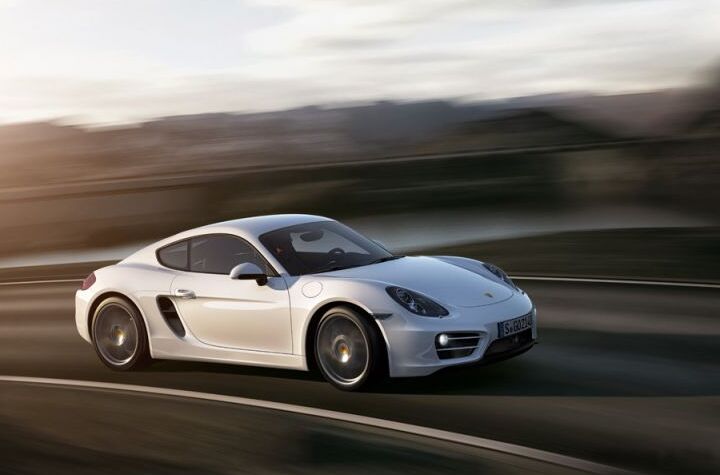
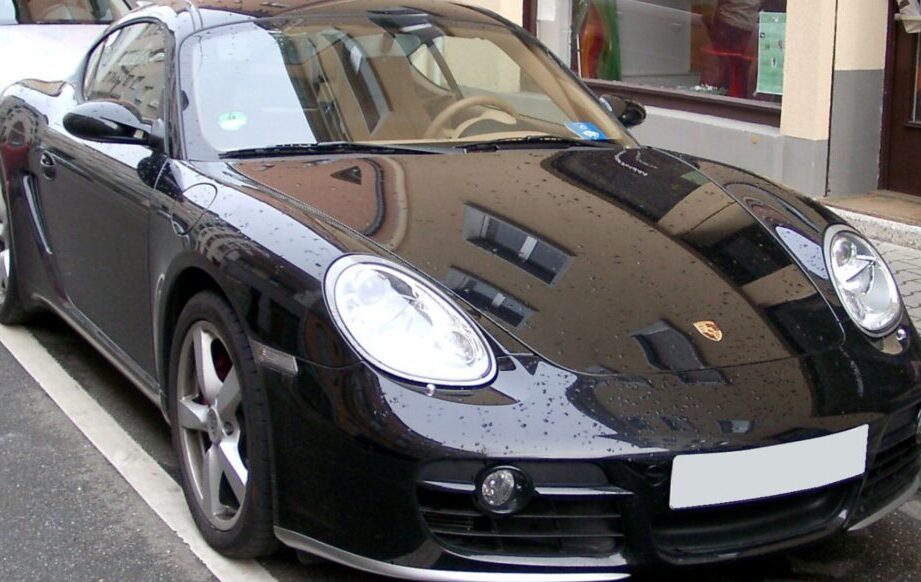
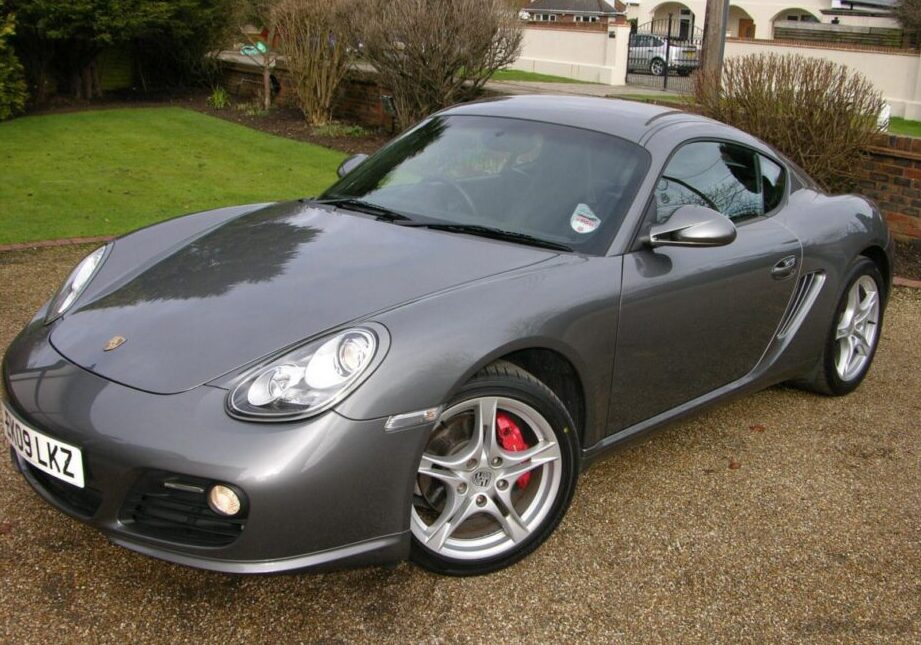
The Porsche Cayman (981c) GTS 3.4, produced from 2014 to 2016, represents a significant step up in performance and driving engagement within the 981 generation Cayman lineup. Positioned as the performance-oriented variant just below the flagship Cayman GT4, the GTS 3.4 aimed to bridge the gap between the standard Cayman models and the track-focused GT4, offering a compelling blend of everyday usability and exhilarating driving dynamics. It was a key model in Porsche’s strategy to broaden the appeal of the Cayman, demonstrating its capabilities as a true sports car in its own right, rather than simply a more affordable alternative to the 911.
Technical Specifications
| Brand | Porsche |
| Model | Cayman |
| Generation | Cayman (981c) |
| Type (Engine) | GTS 3.4 (340 Hp) |
| Start of production | 2014 |
| End of production | 2016 |
| Powertrain Architecture | Internal Combustion engine |
| Body type | Coupe |
| Seats | 2 |
| Doors | 2 |
| Fuel consumption (economy) – urban | 12.7 l/100 km (18.5 US mpg, 22.2 UK mpg, 7.9 km/l) |
| Fuel consumption (economy) – extra urban | 7.1 l/100 km (33.1 US mpg, 39.8 UK mpg, 14.1 km/l) |
| Fuel consumption (economy) – combined | 9 l/100 km (26.1 US mpg, 31.4 UK mpg, 11.1 km/l) |
| CO2 emissions | 211 g/km |
| Fuel Type | Petrol (Gasoline) |
| Acceleration 0 – 100 km/h | 4.9 sec |
| Acceleration 0 – 62 mph | 4.9 sec |
| Acceleration 0 – 60 mph | 4.7 sec |
| Maximum speed | 285 km/h (177.09 mph) |
| Weight-to-power ratio | 4 kg/Hp, 252.8 Hp/tonne |
| Weight-to-torque ratio | 3.5 kg/Nm, 282.5 Nm/tonne |
| Power | 340 Hp @ 7400 rpm |
| Power per litre | 99 Hp/l |
| Torque | 380 Nm @ 4750-5800 rpm (280.27 lb.-ft. @ 4750-5800 rpm) |
| Engine layout | Middle, Longitudinal |
| Engine Model/Code | MA1.23 |
| Engine displacement | 3436 cm3 (209.68 cu. in.) |
| Number of cylinders | 6 |
| Engine configuration | Boxer |
| Compression ratio | 12.5:1 |
| Number of valves per cylinder | 4 |
| Fuel injection system | Direct injection |
| Engine oil capacity | 7.5 l (7.93 US qt | 6.6 UK qt) |
| Coolant | 23 l (24.3 US qt | 20.24 UK qt) |
| Kerb Weight | 1345 kg (2965.22 lbs.) |
| Max. weight | 1665 kg (3670.7 lbs.) |
| Max load | 320 kg (705.48 lbs.) |
| Trunk (boot) space – minimum | 425 l (15.01 cu. ft.) |
| Fuel tank capacity | 64 l (16.91 US gal | 14.08 UK gal) |
| Length | 4404 mm (173.39 in.) |
| Width | 1801 mm (70.91 in.) |
| Height | 1284 mm (50.55 in.) |
| Wheelbase | 2475 mm (97.44 in.) |
| Drag coefficient (Cd) | 0.31 |
| Drivetrain Architecture | Rear wheel drive |
| Number of gears and type of gearbox | 6 gears, manual transmission |
| Front suspension | Independent coil spring |
| Front brakes | Ventilated discs |
| Rear brakes | Ventilated discs |
| Assisting systems | ABS (Anti-lock braking system) |
| Steering type | Steering rack and pinion |
INTRODUCTION
The 981c Cayman GTS 3.4, launched in 2014, built upon the already successful 981 platform, which represented the third generation of the Cayman. The 981 series brought a significant redesign compared to its predecessor, the 987, with a longer wheelbase, wider track, and a more modern interior. The GTS variant specifically aimed to deliver a more focused driving experience, slotting in between the base Cayman and the higher-performance GT4. It was available as both a coupe and a convertible, with the manual transmission being the favored choice among enthusiasts, though Porsche did offer an optional PDK dual-clutch transmission.
Powertrain & Engine Architecture
At the heart of the Cayman GTS 3.4 lies the MA1.23 engine, a 3.4-liter naturally aspirated flat-six (boxer) engine. This engine is a direct descendant of the powerplants found in the 991 generation Porsche 911, albeit detuned slightly. The engine utilizes direct fuel injection (DFI) to maximize efficiency and power output. The DFI system injects fuel directly into the combustion chamber, allowing for more precise control over the air-fuel mixture. The engine also features an advanced valvetrain with variable valve timing (VVT) and lift (VVL), known as VarioCam Plus, which optimizes engine performance across the rev range. The 6-speed manual transmission was standard, offering precise shifts and a direct connection to the engine. Porsche’s optional 7-speed PDK dual-clutch transmission provided quicker shifts and enhanced convenience, but at the expense of some driver engagement. The engine’s flat-six configuration contributes to a low center of gravity, enhancing the car’s handling characteristics.
Driving Characteristics
The Cayman GTS 3.4 delivers a remarkably balanced and engaging driving experience. The 340 horsepower and 280 lb-ft of torque provide ample power for both spirited driving on winding roads and comfortable cruising. The engine’s peak torque is available from 4750-5800 rpm, providing a broad and usable powerband. The manual transmission’s gear ratios are well-matched to the engine’s characteristics, allowing for precise control and quick acceleration. Compared to the base Cayman’s 2.7-liter engine, the GTS 3.4 offers a significant performance boost, with a noticeable improvement in acceleration and overall responsiveness. While not as raw or track-focused as the GT4, the GTS 3.4 provides a more accessible and refined driving experience. The mid-engine layout contributes to exceptional balance and neutral handling, making the car feel planted and confident in corners.
Equipment & Trim Levels
The Cayman GTS 3.4 came standard with a number of features designed to enhance both performance and comfort. Standard equipment included Porsche Active Suspension Management (PASM), which electronically adjusts the dampers to optimize ride quality and handling. Sport seats with enhanced bolstering provided excellent support during spirited driving. The interior featured Alcantara upholstery on the steering wheel, gearshift lever, and door panels, adding a sporty and premium feel. Exterior styling cues included unique front and rear fascias, blacked-out wheels, and a sport exhaust system with black tailpipes. Optional extras included a navigation system, Bose audio system, and various customization options for the interior and exterior. The GTS package also included Porsche Torque Vectoring (PTV), which further enhanced handling by selectively braking individual rear wheels during cornering.
Chassis & Braking
The Cayman GTS 3.4 utilizes a lightweight chassis construction, incorporating high-strength steel and aluminum components. The suspension system features independent coil springs and dampers at all four corners, providing a comfortable yet controlled ride. The front suspension utilizes a MacPherson strut design, while the rear suspension employs a multi-link setup. Braking duties are handled by ventilated discs at all four corners, providing ample stopping power. The GTS 3.4 also featured larger brake rotors and calipers compared to the base Cayman, further enhancing braking performance. The standard steering system is a rack-and-pinion setup with electric power steering, providing precise and responsive steering feel.
Market Reception & Comparison
The Cayman GTS 3.4 was widely praised by automotive critics for its exceptional handling, powerful engine, and refined driving experience. It was often lauded as one of the best sports cars in its price range, offering a compelling alternative to rivals such as the BMW Z4 and Audi TT RS. Compared to the base Cayman, the GTS 3.4 offered a significant performance upgrade, justifying its higher price tag. Fuel economy was respectable for a sports car, with combined fuel consumption of around 26.1 US mpg. Reliability was generally good, although some owners reported minor issues with the cooling system and oil leaks. The PDK transmission, while offering convenience, was sometimes criticized for lacking the engagement of the manual gearbox.
Legacy
The Cayman GTS 3.4 has established itself as a desirable and well-regarded sports car in the used car market. Its combination of performance, handling, and everyday usability makes it a compelling choice for enthusiasts. The MA1.23 engine is known for its durability and reliability, provided it is properly maintained. Values for well-maintained examples have remained relatively stable, reflecting the car’s enduring appeal. The 981c Cayman GTS 3.4 represents a sweet spot in the Cayman lineage, offering a balanced and engaging driving experience that continues to resonate with sports car enthusiasts today.