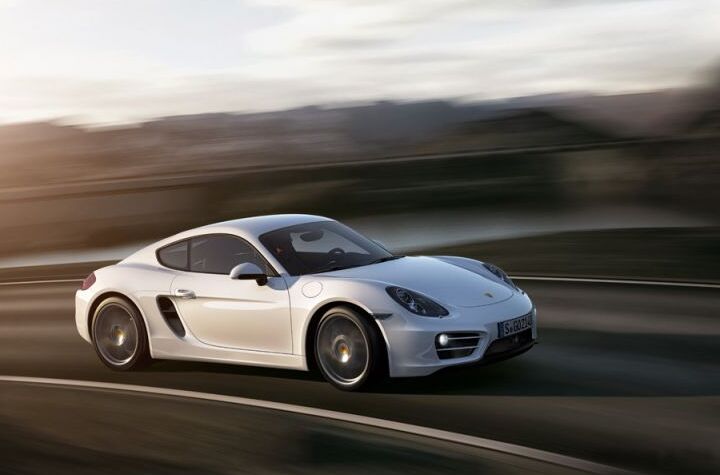
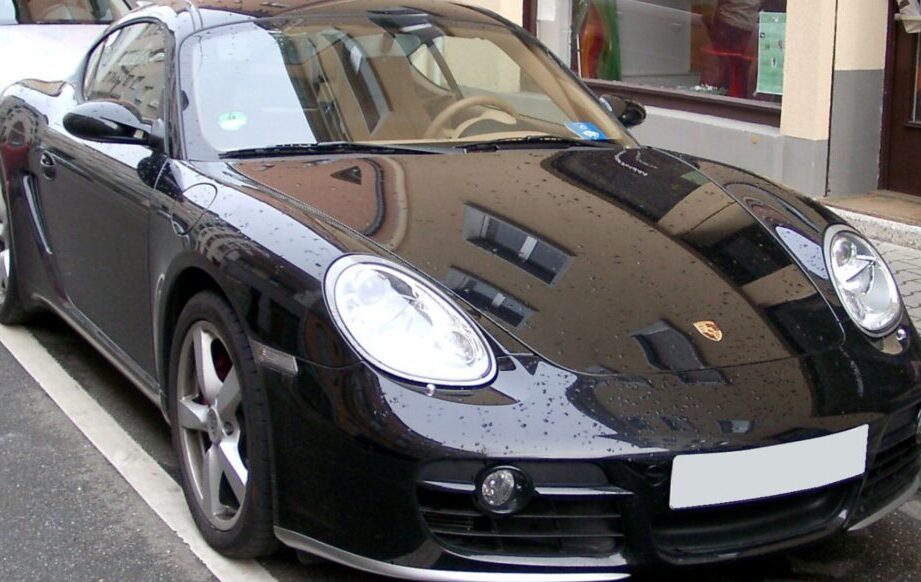
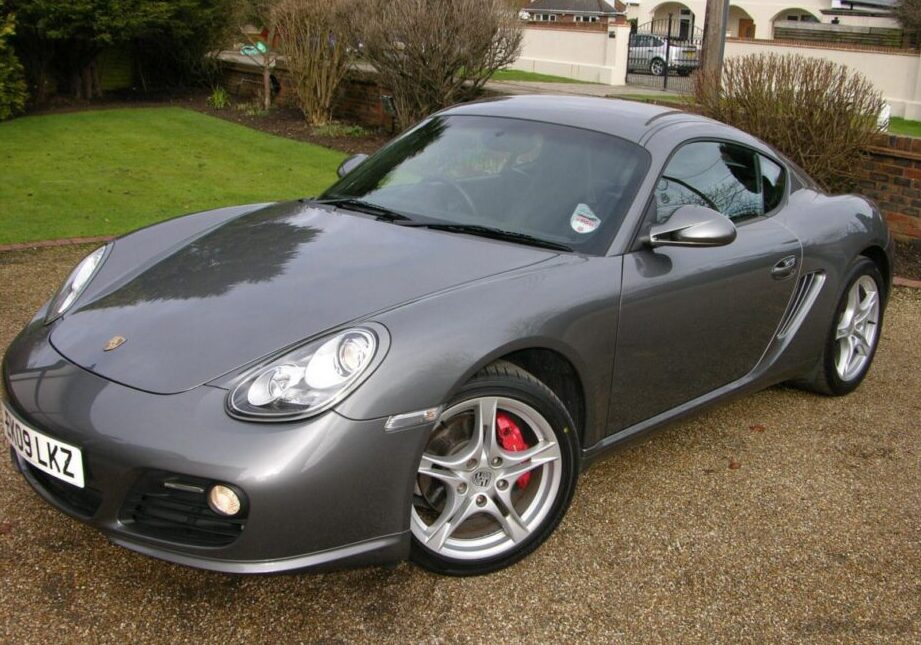
The Porsche Cayman (981c) S 3.4, produced from 2013 to 2016, represents a significant evolution in Porsche’s mid-engine sports car lineage. Positioned as the performance-oriented variant within the second-generation (981c) Cayman range, it offered a substantial step up in power and handling compared to the base Cayman model. The 981 generation marked a complete redesign from its predecessor, the 987, with a longer wheelbase, wider track, and a focus on delivering a more refined and engaging driving experience. This variant specifically targeted enthusiasts seeking a pure sports car experience with a naturally aspirated engine and a focus on driver involvement.
Technical Specifications
| Brand | Porsche |
| Model | Cayman |
| Generation | Cayman (981c) |
| Type (Engine) | S 3.4 (325 Hp) |
| Start of production | 2013 |
| End of production | 2016 |
| Powertrain Architecture | Internal Combustion engine |
| Body type | Coupe |
| Seats | 2 |
| Doors | 2 |
| Fuel consumption (economy) – urban | 12.7 l/100 km (18.5 US mpg, 22.2 UK mpg, 7.9 km/l) |
| Fuel consumption (economy) – extra urban | 7.1 l/100 km (33.1 US mpg, 39.8 UK mpg, 14.1 km/l) |
| Fuel consumption (economy) – combined | 9 l/100 km (26.1 US mpg, 31.4 UK mpg, 11.1 km/l) |
| CO2 emissions | 211 g/km |
| Fuel Type | Petrol (Gasoline) |
| Acceleration 0 – 100 km/h | 5 sec |
| Acceleration 0 – 62 mph | 5 sec |
| Acceleration 0 – 60 mph | 4.8 sec |
| Maximum speed | 283 km/h (175.85 mph) |
| Weight-to-power ratio | 4.1 kg/Hp, 242.5 Hp/tonne |
| Weight-to-torque ratio | 3.6 kg/Nm, 276.1 Nm/tonne |
| Power | 325 Hp @ 7400 rpm |
| Power per litre | 94.6 Hp/l |
| Torque | 370 Nm @ 4500-5800 rpm (272.9 lb.-ft. @ 4500-5800 rpm) |
| Engine layout | Middle, Longitudinal |
| Engine Model/Code | MA1.23 |
| Engine displacement | 3436 cm3 (209.68 cu. in.) |
| Number of cylinders | 6 |
| Engine configuration | Boxer |
| Compression ratio | 12.5:1 |
| Number of valves per cylinder | 4 |
| Fuel injection system | Direct injection |
| Engine oil capacity | 7.5 l (7.93 US qt | 6.6 UK qt) |
| Coolant | 23 l (24.3 US qt | 20.24 UK qt) |
| Kerb Weight | 1340 kg (2954.19 lbs) |
| Max. weight | 1665 kg (3670.7 lbs) |
| Max load | 325 kg (716.5 lbs) |
| Trunk (boot) space – minimum | 425 l (15.01 cu. ft) |
| Fuel tank capacity | 64 l (16.91 US gal | 14.08 UK gal) |
| Length | 4380 mm (172.44 in) |
| Width | 1801 mm (70.91 in) |
| Height | 1295 mm (50.98 in) |
| Wheelbase | 2475 mm (97.44 in) |
| Drag coefficient (Cd) | 0.30 |
| Drivetrain Architecture | Rear wheel drive |
| Number of gears and type of gearbox | 6 gears, manual transmission |
| Front suspension | Independent coil spring |
| Front brakes | Ventilated discs |
| Rear brakes | Ventilated discs |
| Assisting systems | ABS (Anti-lock braking system) |
| Steering type | Steering rack and pinion |
Powertrain & Engine Architecture
At the heart of the Cayman S 3.4 lies the MA1.23 engine, a 3.4-liter naturally aspirated flat-six (boxer) engine. This engine is a direct descendant of the powerplants found in the 911, benefiting from Porsche’s extensive experience in high-performance engine design. The engine utilizes direct fuel injection (DFI), a technology that precisely meters fuel directly into the combustion chamber, improving efficiency and power output. The valvetrain features four valves per cylinder, contributing to the engine’s high-revving nature and broad powerband. The 6-speed manual transmission was the standard offering, known for its precise shift feel and close ratios. Porsche also offered a 7-speed PDK dual-clutch transmission as an option, providing even faster shifts and enhanced performance, though the manual was favored by purists.
Driving Characteristics
The Cayman S 3.4 delivers a distinctly engaging driving experience. The 325 horsepower and 273 lb-ft of torque provide ample power for spirited driving, with a noticeable surge in acceleration as the engine climbs towards its 7,400 rpm redline. The mid-engine layout contributes to exceptional balance and handling, allowing the car to corner with remarkable precision and stability. Compared to the base Cayman, the S model offered a significantly more potent experience, and while not as brutally fast as the later Cayman GT4, it provided a rewarding and accessible performance envelope. The manual transmission’s gear ratios are well-matched to the engine’s powerband, encouraging frequent shifting and maximizing driver involvement. The steering is precise and communicative, providing excellent feedback from the road.
Equipment & Trim Levels
The Cayman S 3.4 came standard with a well-appointed interior featuring sport seats upholstered in a combination of leather and Alcantara. Standard features included Porsche Communication Management (PCM) with a 7-inch touchscreen display, automatic climate control, and a premium sound system. Optional extras were plentiful, allowing buyers to customize their Cayman S to their preferences. Popular options included Porsche Dynamic Lighting System (PDLS) with bi-xenon headlights, ParkAssist, heated seats, and a variety of interior trim packages. The Sport Chrono Package, a popular choice, added a Sport Plus mode that sharpened throttle response, adjusted suspension settings, and provided a launch control function.
Chassis & Braking
The 981 Cayman S benefited from a significantly stiffer chassis compared to the previous generation, contributing to improved handling and responsiveness. The suspension utilizes independent coil springs and dampers, tuned to provide a balance between comfort and performance. The S model featured larger brakes than the base Cayman, with ventilated discs at all four corners providing ample stopping power. ABS (Anti-lock Braking System) was standard, enhancing safety and control during hard braking. The car’s relatively low weight, around 2,954 pounds, further contributed to its agile handling characteristics.
Market Reception & Comparison
The Cayman S 3.4 was widely praised by automotive critics for its exceptional handling, powerful engine, and refined interior. It was often lauded as one of the best-handling sports cars in its price range. Compared to the base Cayman, the S model offered a substantial performance upgrade, justifying its higher price tag for enthusiasts seeking a more thrilling driving experience. Against competitors like the BMW Z4 and Audi TT RS, the Cayman S stood out for its mid-engine layout and superior handling balance. Fuel economy was respectable for a sports car of its caliber, averaging around 26 mpg in combined driving. Reliability was generally good, although preventative maintenance, particularly oil changes, was crucial to ensure the longevity of the engine.
Legacy
The Porsche Cayman (981c) S 3.4 remains a highly sought-after sports car in the used market. Its combination of performance, handling, and relative reliability has made it a favorite among enthusiasts. The naturally aspirated flat-six engine is particularly appreciated, as Porsche has moved towards turbocharged engines in subsequent models. Well-maintained examples command premium prices, reflecting the car’s enduring appeal and reputation as a true driver’s car. The MA1.23 engine, while requiring regular maintenance, is generally considered robust and capable of providing years of reliable performance when properly cared for. The 981 generation Cayman S represents a sweet spot in Porsche’s lineup, offering a pure and engaging sports car experience that continues to resonate with drivers today.