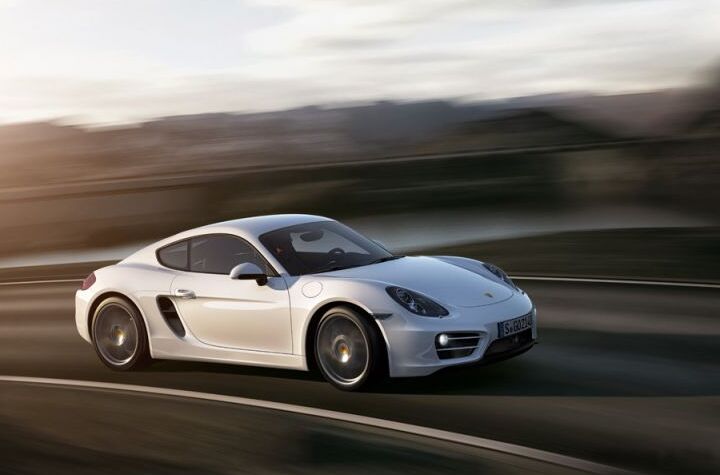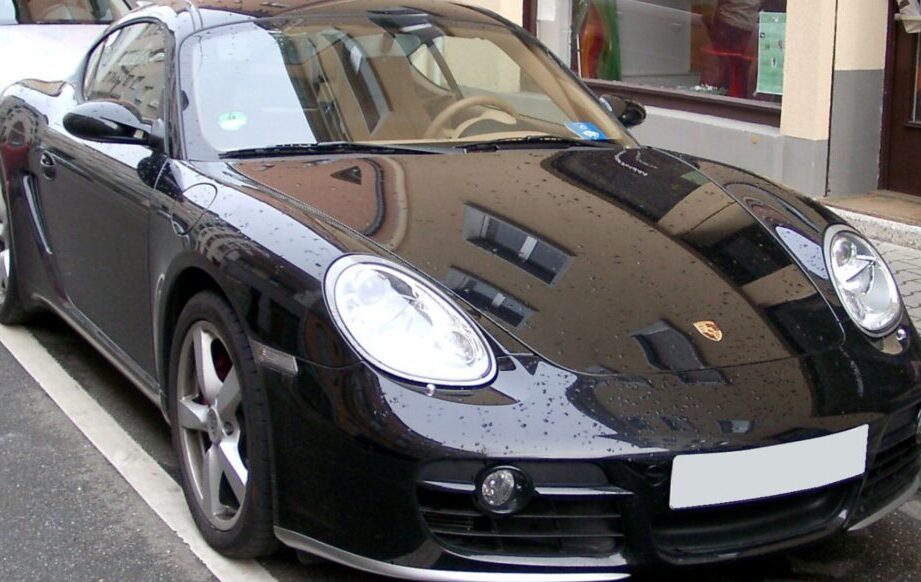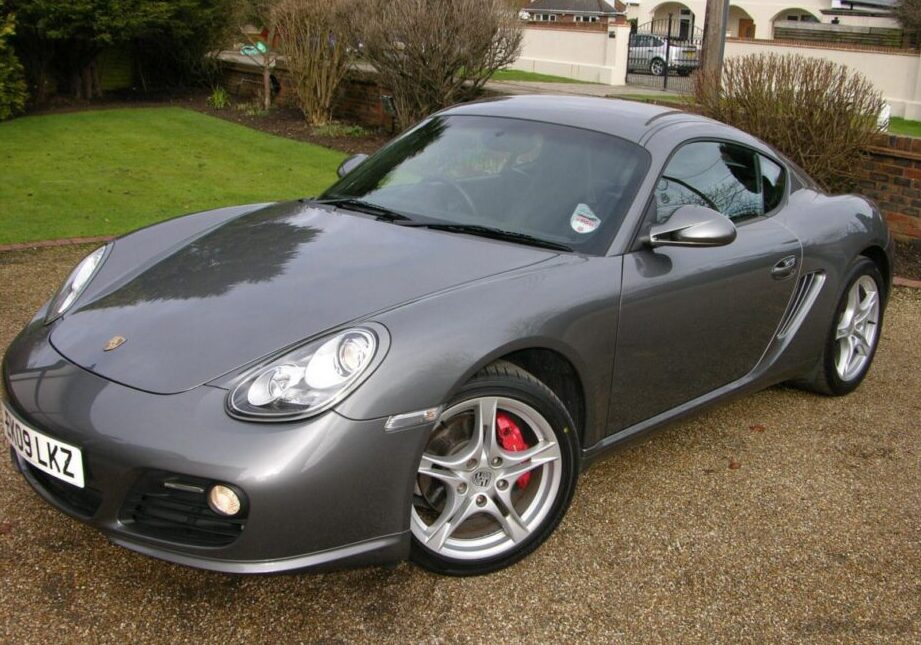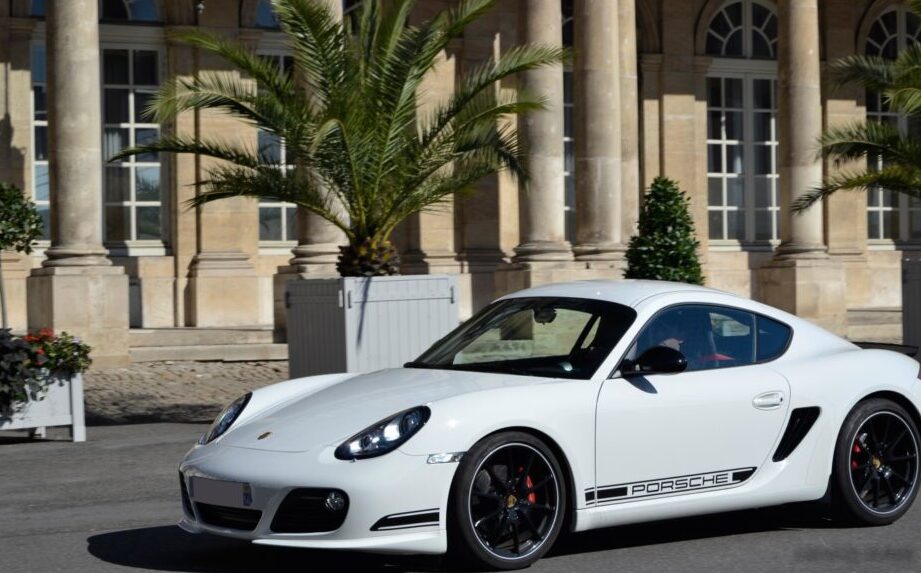
The Porsche Cayman R 3.4, produced from February 2011 to November 2012, represents a focused, high-performance iteration of the 987c generation (facelift) Cayman. Positioned as the top-tier variant within the 987.2 lineup, the R 3.4 aimed to deliver a more visceral and track-oriented driving experience than the standard Cayman or even the S model. It bridged the gap between the Cayman S and the significantly more expensive 911 models, offering a compelling blend of performance, handling, and Porsche exclusivity. This model year saw Porsche refine the 987 platform, addressing some earlier criticisms and solidifying the Cayman’s reputation as a capable mid-engine sports car.
Technical Specifications
| Brand | Porsche |
| Model | Cayman |
| Generation | Cayman (987c, facelift 2009) |
| Type (Engine) | R 3.4 (330 Hp) |
| Start of production | February, 2011 |
| End of production | November, 2012 |
| Powertrain Architecture | Internal Combustion engine |
| Body type | Coupe |
| Seats | 2 |
| Doors | 2 |
| Fuel consumption (economy) – urban (NEDC) | 14.2 l/100 km (16.6 US mpg, 19.9 UK mpg, 7 km/l) |
| Fuel consumption (economy) – extra urban (NEDC) | 7.1 l/100 km (33.1 US mpg, 39.8 UK mpg, 14.1 km/l) |
| Fuel consumption (economy) – combined (NEDC) | 9.7 l/100 km (24.2 US mpg, 29.1 UK mpg, 10.3 km/l) |
| CO2 emissions (NEDC) | 228 g/km |
| Fuel Type | Petrol (Gasoline) |
| Acceleration 0 – 100 km/h | 5 sec |
| Acceleration 0 – 62 mph | 5 sec |
| Acceleration 0 – 60 mph | 4.8 sec |
| Acceleration 0 – 200 km/h | 17.2 sec |
| Maximum speed | 282 km/h (175.23 mph) |
| Weight-to-power ratio | 3.9 kg/Hp, 254.8 Hp/tonne |
| Weight-to-torque ratio | 3.5 kg/Nm, 285.7 Nm/tonne |
| Power | 330 Hp @ 7400 rpm |
| Power per litre | 96 Hp/l |
| Torque | 370 Nm @ 4750 rpm (272.9 lb.-ft. @ 4750 rpm) |
| Maximum engine speed | 7500 rpm |
| Engine layout | Middle, Longitudinal |
| Engine Model/Code | MA1.21 |
| Engine displacement | 3436 cm3 (209.68 cu. in.) |
| Number of cylinders | 6 |
| Engine configuration | Boxer |
| Cylinder Bore | 97 mm (3.82 in.) |
| Piston Stroke | 77.5 mm (3.05 in.) |
| Compression ratio | 12.5:1 |
| Number of valves per cylinder | 4 |
| Fuel injection system | Direct injection |
| Engine aspiration | Naturally aspirated engine |
| Valvetrain | DOHC |
| Engine oil capacity | 7.5 l (7.93 US qt | 6.6 UK qt) |
| Coolant | 22 l (23.25 US qt | 19.36 UK qt) |
| Kerb Weight | 1295 kg (2854.99 lbs.) |
| Max. weight | 1620 kg (3571.49 lbs.) |
| Max load | 325 kg (716.5 lbs.) |
| Trunk (boot) space – minimum | 260 l (9.18 cu. ft.) |
| Fuel tank capacity | 54 l (14.27 US gal | 11.88 UK gal) |
| Max. roof load | 60 kg (132.28 lbs.) |
| Length | 4347 mm (171.14 in.) |
| Width | 1801 mm (70.91 in.) |
| Width including mirrors | 1978 mm (77.87 in.) |
| Height | 1285 mm (50.59 in.) |
| Wheelbase | 2415 mm (95.08 in.) |
| Front track | 1490 mm (58.66 in.) |
| Rear (Back) track | 1530 mm (60.24 in.) |
| Ride height (ground clearance) | 103 mm (4.06 in.) |
| Drag coefficient (Cd) | 0.30 |
| Minimum turning circle (turning diameter) | 11.1 m (36.42 ft.) |
| Drivetrain Architecture | Rear wheel drive |
| Drive wheel | Rear wheel drive |
| Number of gears and type of gearbox | 6 gears, manual transmission |
| Front suspension | Independent type McPherson |
| Rear suspension | McPherson |
| Front brakes | Ventilated discs, 318×28 mm |
| Rear brakes | Ventilated discs, 299×24 mm |
| Assisting systems | ABS (Anti-lock braking system) |
| Steering type | Steering rack and pinion |
| Power steering | Hydraulic Steering |
| Tires size | Front wheel tires: 235/35 ZR 19Rear wheel tires: 265/35 ZR 19 |
| Wheel rims size | Front wheel rims: 8.5 J x 19Rear wheel rims: 10 J x 19 |
Powertrain & Engine Architecture
At the heart of the Cayman R 3.4 lies the MA1.21 engine, a naturally aspirated 3.4-liter flat-six (boxer) engine. This engine is a direct descendant of the powerplants found in the 997 generation Porsche 911, albeit tuned for the mid-engine Cayman chassis. The engine utilizes direct fuel injection (DFI) to maximize efficiency and power output. The DFI system precisely meters fuel directly into the combustion chamber, improving combustion efficiency and reducing knock. The valvetrain employs dual overhead camshafts (DOHC) with four valves per cylinder, optimizing airflow for high-RPM performance. The engine produces 330 horsepower at 7,400 rpm and 370 Nm (272.9 lb-ft) of torque at 4,750 rpm. The R 3.4 exclusively came with a six-speed manual transmission, prioritizing driver engagement and performance. The transmission features a shorter final drive ratio compared to other Cayman models, enhancing acceleration.
Driving Characteristics
The Cayman R 3.4 delivers a distinctly engaging driving experience. The combination of the high-revving engine, the precise manual gearbox, and the shorter gearing results in brisk acceleration – 0 to 60 mph in approximately 4.8 seconds and a top speed of 175.23 mph. The car feels significantly more responsive than the standard Cayman or even the Cayman S. The steering is precise and communicative, providing excellent feedback to the driver. The suspension is firm but not overly harsh, offering a good balance between comfort and control. The mid-engine layout contributes to exceptional balance and handling, making the Cayman R 3.4 a joy to drive on both the road and the track. The shorter gear ratios mean the engine is frequently in its powerband, encouraging spirited driving.
Equipment & Trim Levels
The Cayman R 3.4 was relatively sparsely equipped compared to other luxury sports cars, reflecting its focus on performance. Standard features included sport seats, a sport steering wheel, and a limited-slip differential. The interior featured aluminum trim and unique “R” badging. Optional extras included Porsche Communication Management (PCM) with navigation, bi-xenon headlights, and a Bose sound system. The exterior was distinguished by a fixed rear spoiler, unique front and rear fascias, and lightweight alloy wheels. The overall aesthetic was purposeful and understated, emphasizing the car’s performance credentials.
Chassis & Braking
The Cayman R 3.4 benefited from a number of chassis enhancements. The suspension was lowered by 20mm (0.8 inches) compared to the standard Cayman, reducing body roll and improving handling. The car featured stiffer springs and dampers, further enhancing its dynamic capabilities. The braking system consisted of ventilated discs at all four corners, providing ample stopping power. The standard ABS (Anti-lock Braking System) ensured safe and controlled braking in all conditions. The lightweight construction, including the use of aluminum components, contributed to a curb weight of 1295 kg (2854.99 lbs), further enhancing performance.
Market Reception & Comparison
The Cayman R 3.4 was generally well-received by automotive critics. It was praised for its engaging driving experience, precise handling, and powerful engine. Some critics noted the relatively sparse interior and lack of modern features compared to competitors. However, the car’s focus on performance was widely appreciated. Compared to the Cayman S, the R 3.4 offered a more focused and visceral driving experience, thanks to its shorter gearing, stiffer suspension, and limited-slip differential. Compared to the base Cayman, the R 3.4 represented a significant performance upgrade. Fuel economy was reasonable for a high-performance sports car, with combined fuel consumption of 9.7 l/100 km (24.2 US mpg).
Legacy
The Cayman R 3.4 has become a sought-after model among Porsche enthusiasts. Its limited production run and focused performance make it a collectible car. The MA1.21 engine is known for its reliability, provided it is properly maintained. Regular oil changes and adherence to Porsche’s maintenance schedule are crucial. The manual transmission is also generally reliable. On the used car market, the Cayman R 3.4 commands a premium over other 987.2 Cayman models, reflecting its desirability and performance credentials. It remains a compelling option for drivers seeking a pure and engaging sports car experience.