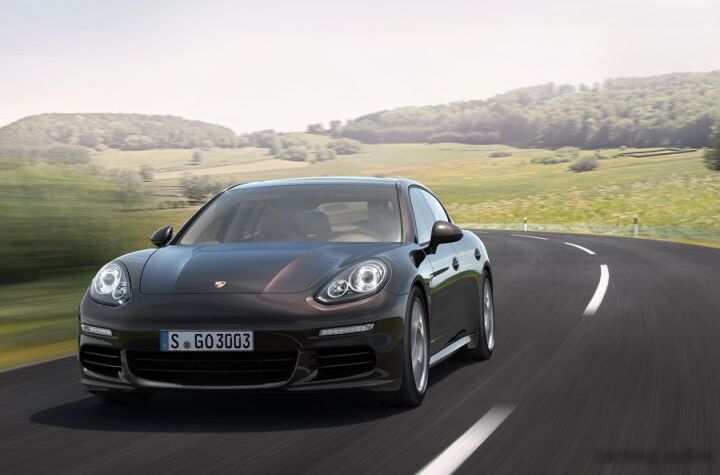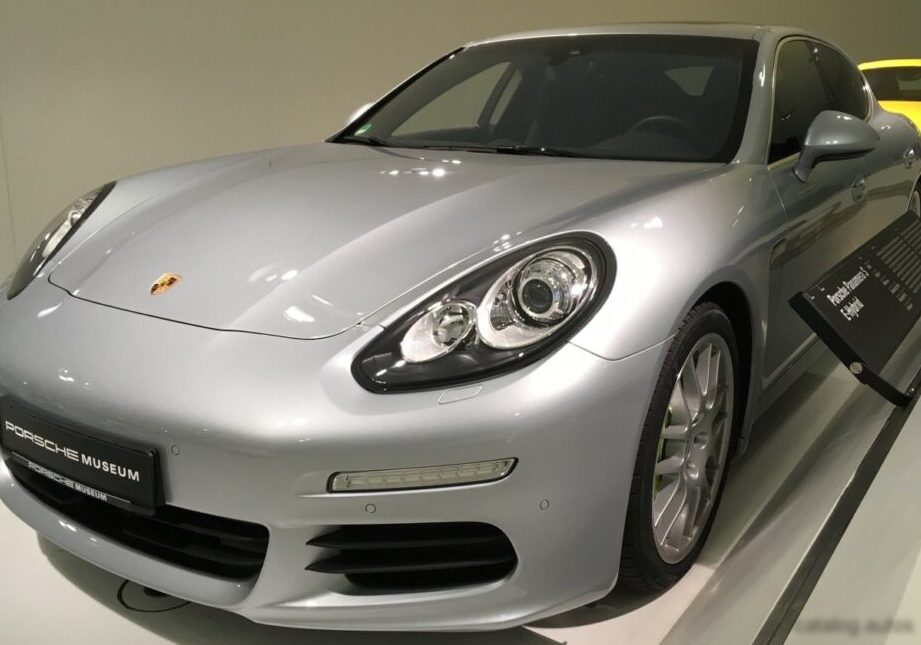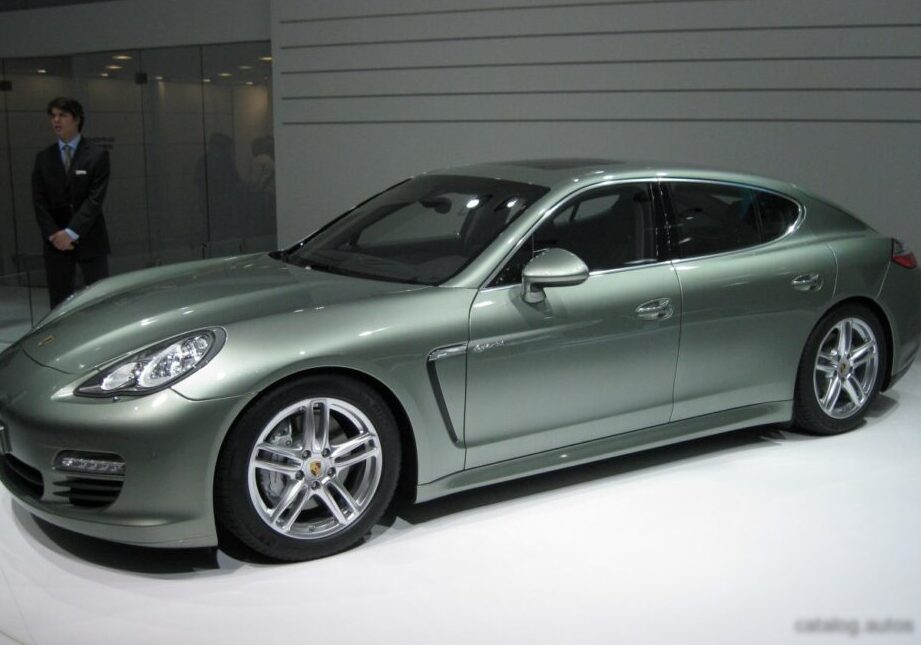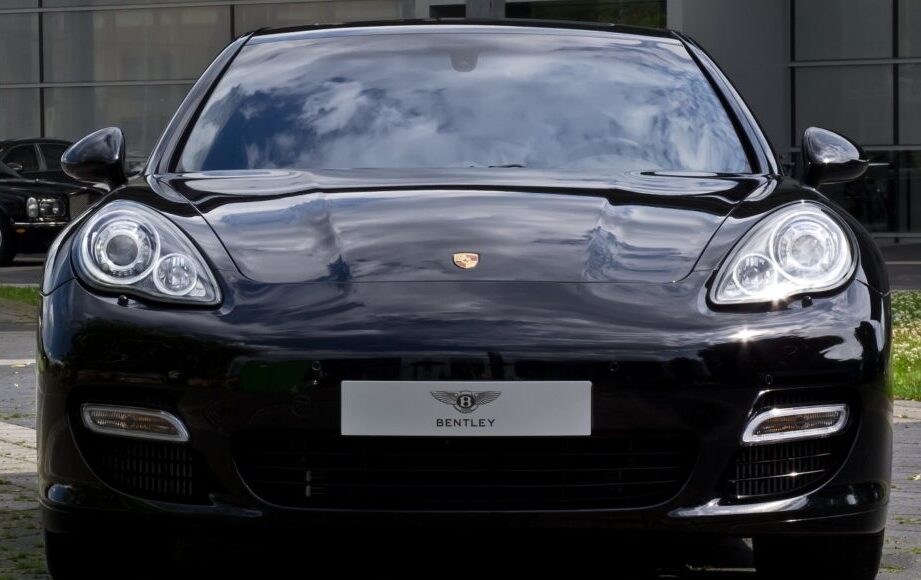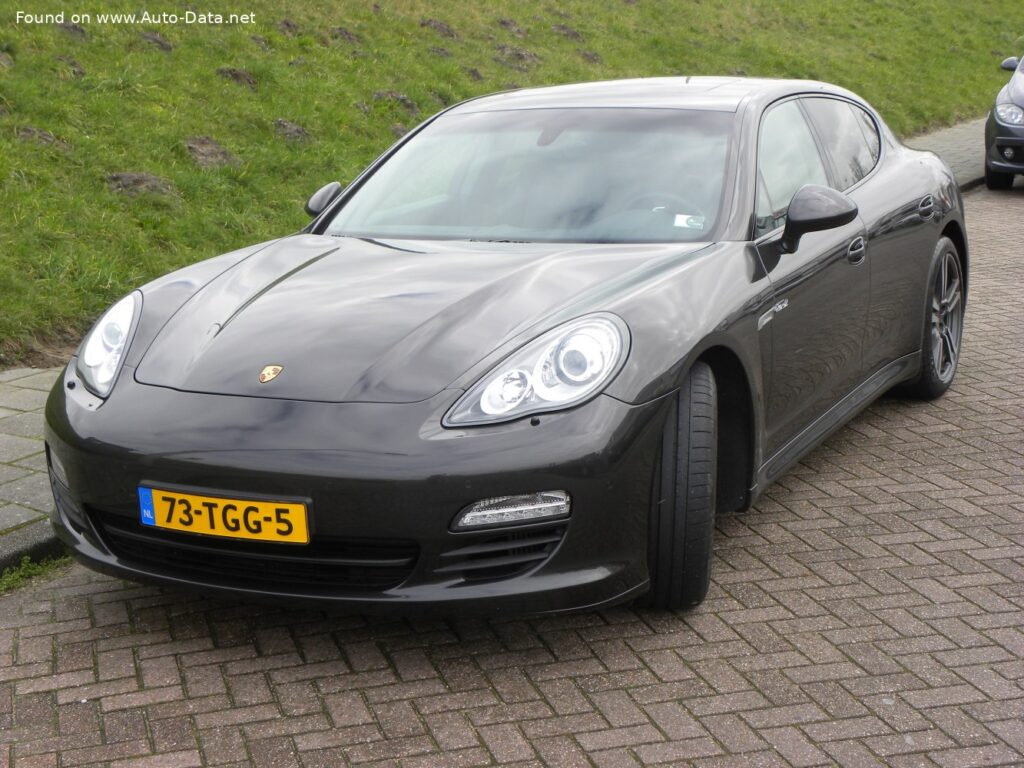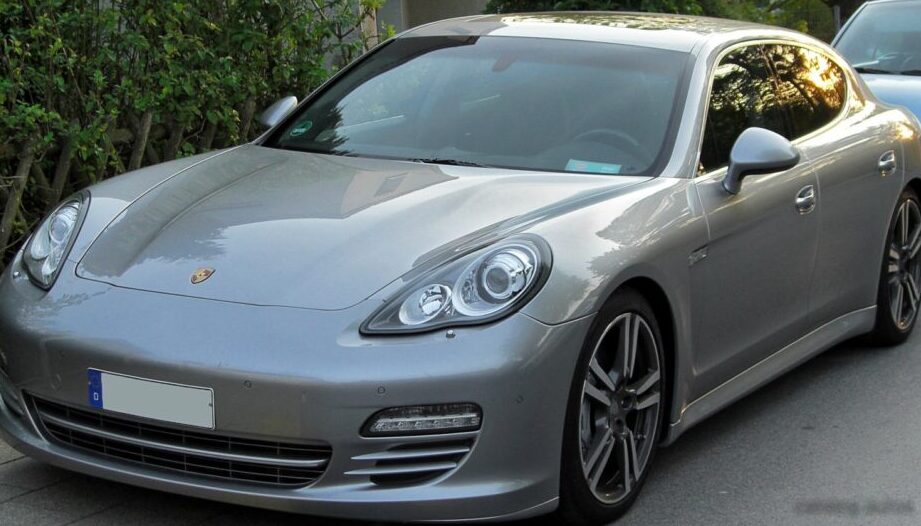
The Porsche Panamera 4S 4.8 V8 (400 hp) PDK, produced between 2009 and 2013, represents the initial iteration of Porsche’s foray into the luxury four-door grand touring segment. Positioned as a mid-range offering within the first-generation (G1) Panamera lineup, it aimed to deliver a compelling blend of Porsche performance, everyday usability, and sophisticated luxury. This variant played a crucial role in establishing the Panamera’s identity, bridging the gap between the flagship Turbo model and the base Panamera. It utilized the Porsche-developed PDK dual-clutch transmission, a key technology differentiating it from competitors offering traditional automatic gearboxes.
Technical Specifications
| Brand | Porsche |
| Model | Panamera |
| Generation | Panamera (G1) |
| Type (Engine) | 4S 4.8 V8 (400 Hp) PDK |
| Start of production | 2009 |
| End of production | 2013 |
| Powertrain Architecture | Internal Combustion engine |
| Body type | Liftback |
| Seats | 4 |
| Doors | 5 |
| Fuel consumption (economy) – urban | 16.4 l/100 km (14.3 US mpg, 17.2 UK mpg, 6.1 km/l) |
| Fuel consumption (economy) – extra urban | 8.1 l/100 km (29 US mpg, 34.9 UK mpg, 12.3 km/l) |
| Fuel consumption (economy) – combined | 11.1 l/100 km (21.2 US mpg, 25.4 UK mpg, 9 km/l) |
| CO2 emissions | 254 g/km |
| Fuel Type | Petrol (Gasoline) |
| Acceleration 0 – 100 km/h | 5 sec |
| Acceleration 0 – 62 mph | 5 sec |
| Acceleration 0 – 60 mph | 4.8 sec |
| Maximum speed | 282 km/h (175.23 mph) |
| Emission standard | Euro 5 |
| Weight-to-power ratio | 4.7 kg/Hp, 215.1 Hp/tonne |
| Weight-to-torque ratio | 3.7 kg/Nm, 268.8 Nm/tonne |
| Power | 400 Hp @ 6500 rpm |
| Power per litre | 83.2 Hp/l |
| Torque | 500 Nm @ 3500 rpm (368.78 lb.-ft. @ 3500 rpm) |
| Engine layout | Front, Longitudinal |
| Engine Model/Code | 4840 |
| Engine displacement | 4806 cm3 (293.28 cu. in.) |
| Number of cylinders | 8 |
| Engine configuration | V-engine |
| Compression ratio | 12.5:1 |
| Number of valves per cylinder | 4 |
| Fuel injection system | Multi-port manifold injection |
| Engine aspiration | Naturally aspirated engine |
| Valvetrain | DOHC |
| Engine oil capacity | 9 l (9.51 US qt | 7.92 UK qt) |
| Kerb Weight | 1860 kg (4100.6 lbs.) |
| Max. weight | 2440 kg (5379.28 lbs.) |
| Max load | 580 kg (1278.68 lbs.) |
| Trunk (boot) space – minimum | 445 l (15.72 cu. ft.) |
| Trunk (boot) space – maximum | 1250 l (44.14 cu. ft.) |
| Fuel tank capacity | 100 l (26.42 US gal | 22 UK gal) |
| Length | 4970 mm (195.67 in.) |
| Width | 1913 mm (75.31 in.) |
| Width including mirrors | 2114 mm (83.23 in.) |
| Height | 1418 mm (55.83 in.) |
| Wheelbase | 2920 mm (114.96 in.) |
| Front track | 1656 mm (65.2 in.) |
| Rear (Back) track | 1646 mm (64.8 in.) |
| Drag coefficient (Cd) | 0.29 |
| Minimum turning circle | 12 m (39.37 ft.) |
| Drive wheel | All wheel drive (4×4) |
| Number of gears and type of gearbox | 7 gears, automatic transmission PDK |
| Front suspension | Double wishbone |
| Rear suspension | Independent multi-link suspension |
| Front brakes | Ventilated discs, 360 mm |
| Rear brakes | Ventilated discs, 330 mm |
| Assisting systems | ABS (Anti-lock braking system) |
| Steering type | Steering rack and pinion |
| Tires size | Front wheel tires: 245/50R18 Rear wheel tires: 275/45R18 |
| Wheel rims size | Front wheel rims: 8J x 18 Rear wheel rims: 9J x 18 |
INTRODUCTION
The Porsche Panamera 4S 4.8 V8 PDK, launched in 2009, was a pivotal model for Porsche. It marked the brand’s first attempt at a four-door, five-seat luxury vehicle, challenging established players like the Mercedes-Benz CLS and Aston Martin Rapide. Built on the Volkswagen Group’s D1 platform (shared with the Audi A8 and Bentley Continental GT), the G1 Panamera aimed to deliver the driving experience Porsche was known for, packaged in a more practical and spacious body style. The 4S variant, with its naturally aspirated 4.8-liter V8 and Porsche Doppelkupplung (PDK) transmission, occupied a sweet spot in the lineup, offering a significant performance upgrade over the base model while remaining more accessible than the range-topping Turbo.
Powertrain & Engine Architecture
At the heart of the Panamera 4S lies the M117.20 engine, a 4.8-liter naturally aspirated V8. This engine, internally designated as the 4840, produces 400 horsepower at 6500 rpm and 500 Nm (368 lb-ft) of torque at 3500 rpm. It features a 12.5:1 compression ratio, double overhead camshafts (DOHC), and four valves per cylinder. Fuel is delivered via multi-port fuel injection. The engine’s architecture is a 90-degree V-configuration, contributing to its smooth operation and balanced power delivery. The engine is longitudinally mounted in the front of the vehicle.
The transmission is a seven-speed PDK dual-clutch transmission. This transmission offers incredibly fast and smooth gear changes, contributing significantly to the car’s performance. Unlike a traditional torque-converter automatic, the PDK uses two separate clutches – one for odd-numbered gears and one for even-numbered gears – allowing for pre-selection of the next gear. This results in near-instantaneous shifts and improved efficiency. The PDK also features a manual shift mode, allowing the driver to control gear selection via steering wheel-mounted paddles.
Driving Characteristics
The Panamera 4S 4.8 V8 PDK delivers a refined yet engaging driving experience. Acceleration from 0 to 60 mph takes approximately 4.8 seconds, and it can reach a top speed of 175 mph. The naturally aspirated V8 provides a linear power delivery, with strong torque available throughout the rev range. The PDK transmission enhances this by providing quick and precise shifts. While not as brutally fast as the Turbo model, the 4S offers ample power for both highway cruising and spirited driving. The all-wheel-drive system provides excellent traction, particularly in inclement weather. The steering is precise and well-weighted, offering good feedback to the driver. Compared to the base Panamera, the 4S feels noticeably more responsive and capable. Compared to the Turbo, the 4S offers a slightly more relaxed driving experience, prioritizing comfort and refinement over outright performance.
Equipment & Trim Levels
The Panamera 4S came standard with a comprehensive list of features, including leather upholstery, power-adjustable front seats, a Bose audio system, a navigation system, and bi-xenon headlights. Optional extras included adaptive cruise control, a rear-seat entertainment system, and various interior trim options. The interior design was focused on luxury and comfort, with high-quality materials and a driver-centric layout. The rear seats offered ample legroom and headroom for passengers.
Chassis & Braking
The Panamera 4S features a double wishbone front suspension and an independent multi-link rear suspension. This suspension setup provides a comfortable ride while maintaining good handling characteristics. The car is equipped with ventilated disc brakes on all four wheels, providing ample stopping power. ABS (Anti-lock Braking System) is standard. The 4S utilizes a slightly stiffer suspension setup compared to the base Panamera, contributing to improved handling. Rear brakes are 330mm discs, while front brakes are 360mm discs.
Market Reception & Comparison
The Panamera 4S was generally well-received by automotive critics. It was praised for its performance, handling, and luxurious interior. However, some critics found the styling controversial and the price point relatively high. Compared to the base Panamera, the 4S offered a significant performance upgrade and was considered a more compelling overall package. Compared to the Turbo, the 4S offered a better balance of performance and value. Fuel economy was reasonable for a vehicle of its size and performance, averaging around 21 mpg in combined driving. Reliability has been generally good, although some owners have reported issues with the cooling system and electronic components.
Legacy
The Porsche Panamera 4S 4.8 V8 PDK remains a desirable used car today. Its combination of performance, luxury, and practicality has made it a popular choice among enthusiasts. The naturally aspirated V8 engine is particularly appreciated for its smooth operation and distinctive sound. While newer Panamera models offer more advanced technology and improved fuel efficiency, the first-generation 4S retains a certain charm and character. The PDK transmission has proven to be durable and reliable, and parts availability is generally good. Well-maintained examples command a premium in the used car market, reflecting the Panamera’s enduring appeal.