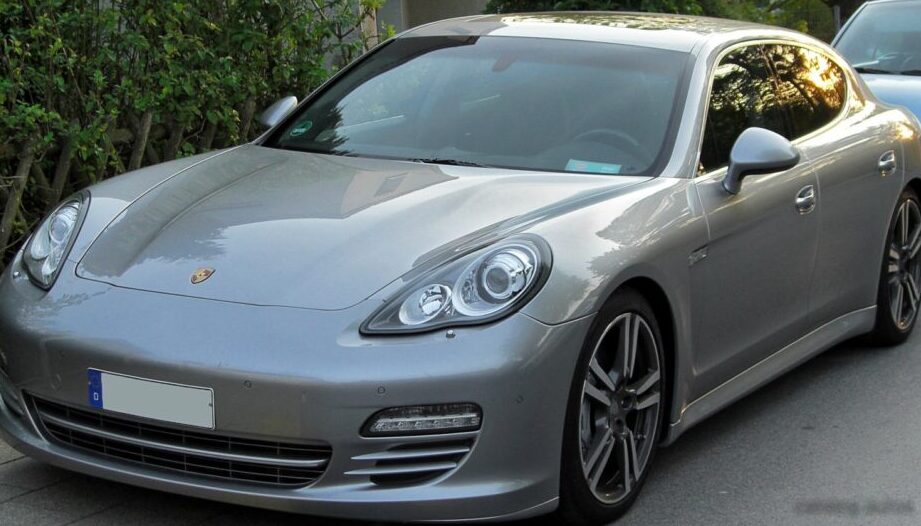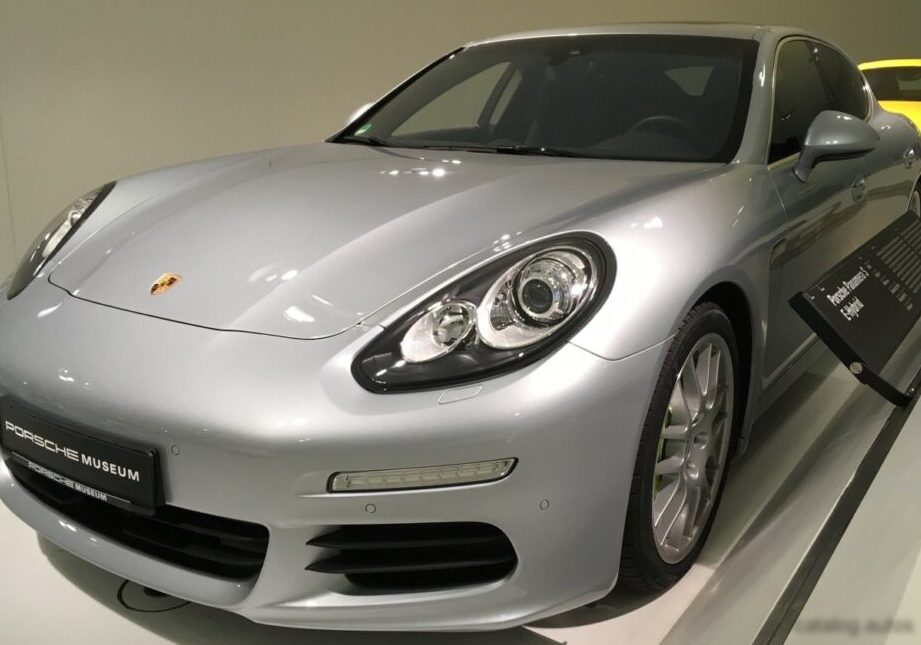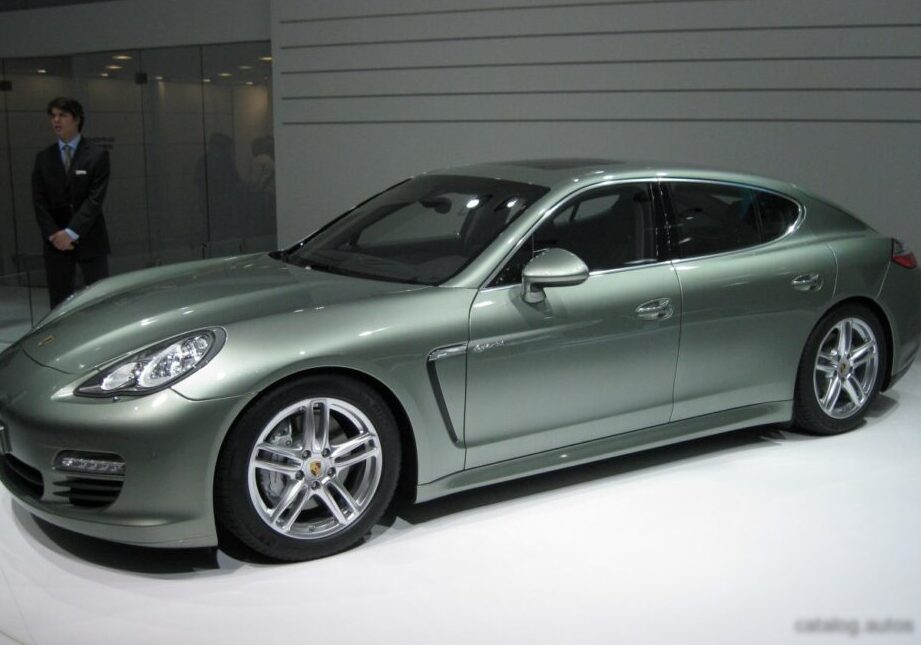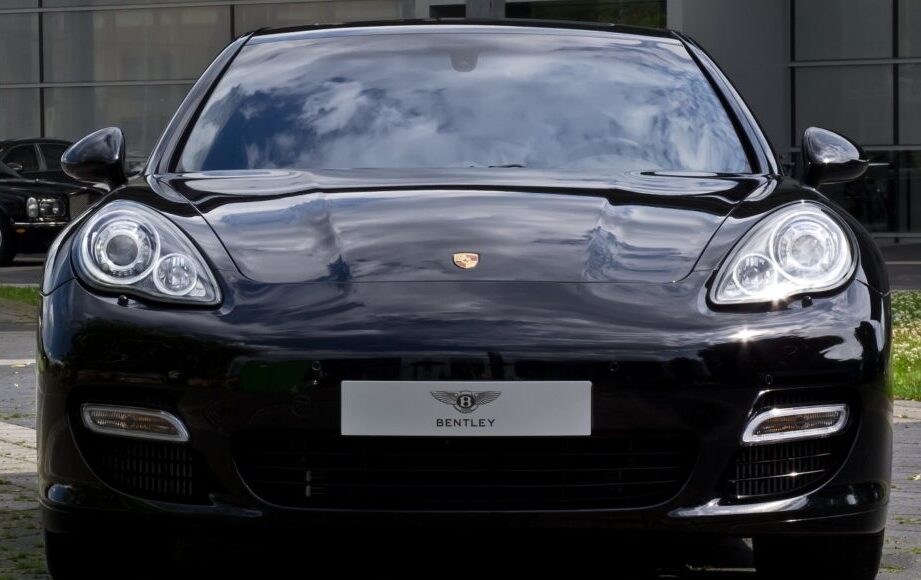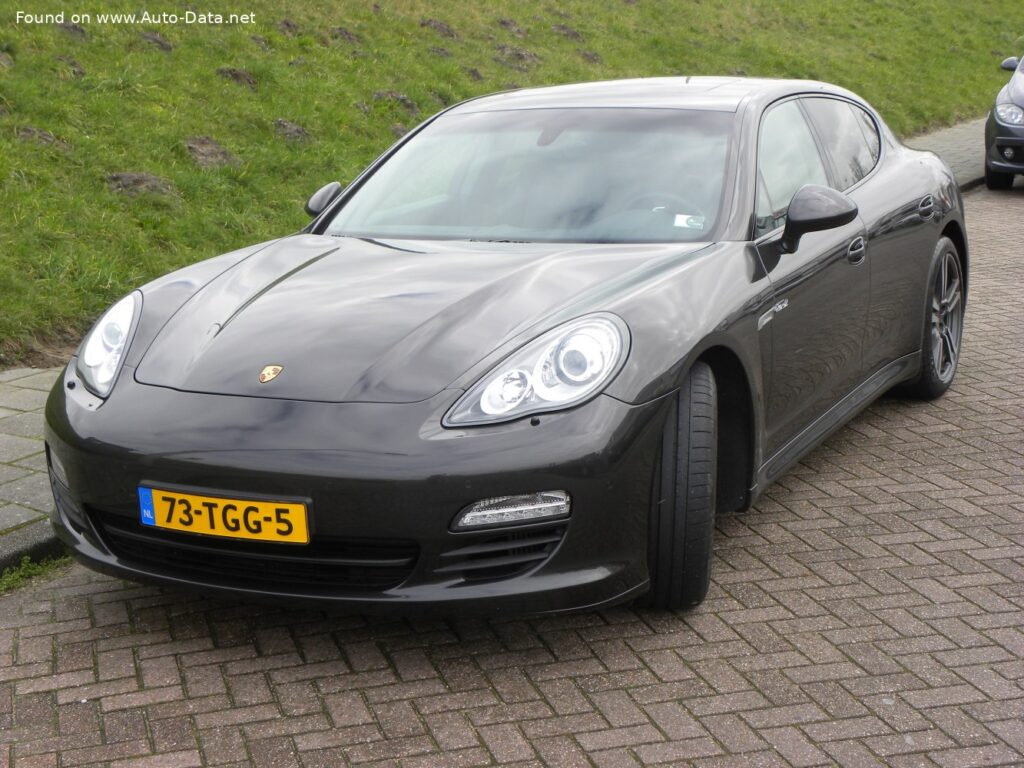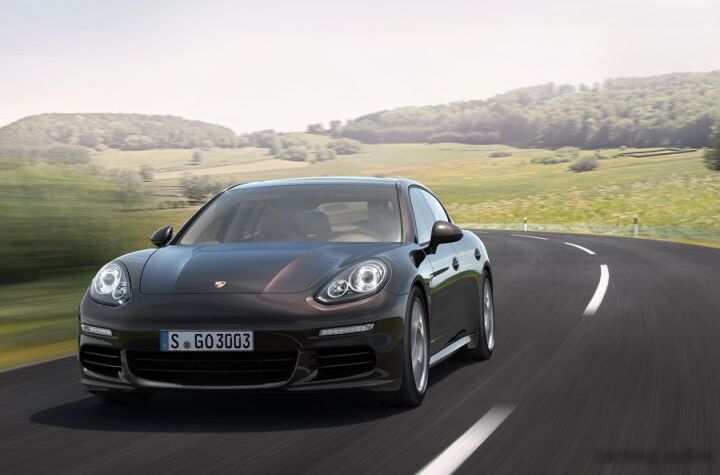
The Porsche Panamera (G1 II) 3.0 diesel V6 Tiptronic, produced from 2013 to 2015, represented Porsche’s foray into offering a more fuel-efficient luxury sedan alongside its traditionally petrol-powered offerings. This variant occupied a middle ground within the second-generation (G1 II) Panamera lineup, appealing to buyers seeking a blend of performance, refinement, and improved economy. It was positioned below the more powerful petrol V6 and V8 models, but above the base model in terms of price and equipment. The G1 II Panamera, built on the Porsche/Volkswagen Group’s D platform, aimed to provide a four-door sports car experience, and the diesel variant broadened its appeal to a wider customer base, particularly in European markets where diesel fuel was more prevalent and favorably taxed.
Technical Specifications
| Brand | Porsche |
| Model | Panamera |
| Generation | Panamera (G1 II) |
| Type (Engine) | 3.0 diesel V6 (300 Hp) Tiptronic |
| Start of production | 2013 |
| End of production | 2015 |
| Powertrain Architecture | Internal Combustion engine |
| Body type | Liftback |
| Seats | 4 |
| Doors | 5 |
| Fuel consumption (economy) – urban | 7.7 l/100 km (30.5 US mpg) |
| Fuel consumption (economy) – extra urban | 5.6 l/100 km (42 US mpg) |
| Fuel consumption (economy) – combined | 6.4 l/100 km (36.8 US mpg) |
| CO2 emissions | 169 g/km |
| Fuel Type | Diesel |
| Acceleration 0 – 100 km/h | 6 sec |
| Acceleration 0 – 62 mph | 6 sec |
| Acceleration 0 – 60 mph | 5.7 sec |
| Maximum speed | 259 km/h (160.94 mph) |
| Emission standard | Euro 5 |
| Weight-to-power ratio | 6.3 kg/Hp |
| Weight-to-torque ratio | 2.9 kg/Nm |
| Power | 300 Hp @ 4000 rpm |
| Torque | 650 Nm @ 1750-2500 rpm (479.42 lb.-ft.) |
| Engine layout | Front, Longitudinal |
| Engine Model/Code | CWJA |
| Engine displacement | 2967 cm3 (181.06 cu. in.) |
| Number of cylinders | 6 |
| Engine configuration | V-engine |
| Cylinder Bore | 83 mm (3.27 in.) |
| Piston Stroke | 91.4 mm (3.6 in.) |
| Compression ratio | 16.8:1 |
| Number of valves per cylinder | 4 |
| Fuel injection system | Diesel Commonrail |
| Engine aspiration | Turbocharger, Intercooler |
| Engine oil capacity | 7 l (7.4 US qt | 6.16 UK qt) |
| Kerb Weight | 1900 kg (4188.78 lbs.) |
| Max. weight | 2500 kg (5511.56 lbs.) |
| Max load | 600 kg (1322.77 lbs.) |
| Trunk (boot) space – minimum | 445 l (15.72 cu. ft.) |
| Trunk (boot) space – maximum | 1263 l (44.6 cu. ft.) |
| Fuel tank capacity | 80 l (21.13 US gal | 17.6 UK gal) |
| Length | 5015 mm (197.44 in.) |
| Width | 1931 mm (76.02 in.) |
| Height | 1418 mm (55.83 in.) |
| Wheelbase | 2920 mm (114.96 in.) |
| Front track | 1658 mm (65.28 in.) |
| Rear (Back) track | 1662 mm (65.43 in.) |
| Drag coefficient (Cd) | 0.30 |
| Drivetrain Architecture | Rear wheel drive |
| Number of gears and type of gearbox | 8 gears, automatic transmission Tiptronic S |
| Front suspension | Double wishbone |
| Rear suspension | Independent multi-link suspension |
| Front brakes | Ventilated discs |
| Rear brakes | Ventilated discs |
| Tires size | Front: 245/50 ZR18, Rear: 275/45 ZR18 |
| Wheel rims size | Front: 8J x 18, Rear: 9J x 18 |
Powertrain & Engine Architecture
The heart of the Panamera 3.0 diesel was the CWJA engine, a 3.0-liter V6 diesel. This engine utilized a common rail direct injection system, delivering fuel at extremely high pressures for optimized combustion. A variable geometry turbocharger (VGT) with an intercooler was employed to boost power and torque across a broad rev range. The engine featured four valves per cylinder and a compression ratio of 16.8:1, contributing to its efficiency. The Tiptronic S eight-speed automatic transmission was a crucial component, offering both fully automatic operation and manual gear selection via steering wheel-mounted paddles. This transmission was known for its smooth shifts and ability to keep the engine in its optimal power band. The transmission’s gear ratios were tuned to balance acceleration with fuel economy, prioritizing usability over outright performance.
Driving Characteristics
The 3.0 diesel Tiptronic Panamera offered a distinctly different driving experience compared to its petrol-powered siblings. While lacking the immediate responsiveness of the V6 or V8 models, it delivered a substantial 650 Nm (479 lb-ft) of torque from as low as 1750 rpm. This resulted in strong mid-range acceleration and effortless cruising. The Tiptronic S transmission, while smooth, wasn’t as quick-shifting as Porsche’s PDK dual-clutch transmission found in other Panamera models. The car felt planted and stable, thanks to its sophisticated suspension setup, but the added weight of the diesel engine and drivetrain was noticeable in spirited driving. Compared to a manual transmission equipped Panamera, the automatic offered convenience but sacrificed some driver engagement.
Equipment & Trim Levels
The 3.0 diesel Tiptronic Panamera typically came well-equipped, reflecting its position as a premium vehicle. Standard features included leather upholstery, a touchscreen infotainment system, automatic climate control, and a suite of safety features like ABS, traction control, and multiple airbags. Optional extras were plentiful, allowing buyers to personalize their vehicles with features like adaptive cruise control, a premium sound system, ventilated seats, and various interior trim options. The interior design was typical Porsche, emphasizing luxury and functionality. Dashboard layout and materials were high quality, though the sheer number of buttons could be overwhelming for some.
Chassis & Braking
The Panamera’s chassis was designed to provide a comfortable yet engaging driving experience. The front suspension utilized a double wishbone setup, while the rear featured an independent multi-link suspension. This configuration helped to minimize body roll and provide a smooth ride. The 3.0 diesel models typically featured ventilated disc brakes on all four wheels, providing ample stopping power. ABS (Anti-lock Braking System) was standard. Due to the slightly higher weight of the diesel variant, Porsche may have subtly adjusted spring rates and damper settings to maintain optimal handling balance.
Market Reception & Comparison
The Panamera 3.0 diesel was generally well-received by automotive critics, particularly in Europe. It was praised for its fuel efficiency, comfortable ride, and refined interior. However, some reviewers noted that it lacked the sporting character of the petrol-powered models. Compared to the Panamera 3.6L V6, the diesel offered superior fuel economy and torque, but slightly slower acceleration. Against the Panamera S (V8), the diesel was significantly down on power but offered a substantial fuel economy advantage. Reliability reports suggest that the CWJA engine is generally robust, but like all modern diesels, it can be susceptible to issues with the diesel particulate filter (DPF) if not properly maintained.
Legacy
The Porsche Panamera 3.0 diesel V6 Tiptronic represents an interesting chapter in Porsche’s history. While Porsche has largely moved away from diesel engines in recent years, the G1 II diesel models remain a viable option for buyers seeking a luxurious and fuel-efficient grand tourer. On the used car market, these models typically command a lower price than their petrol counterparts, making them an attractive value proposition. The CWJA engine, when properly maintained, has proven to be a durable and reliable powerplant, and the Tiptronic S transmission is known for its longevity. However, potential buyers should be aware of the potential for DPF issues and ensure that the vehicle has been regularly serviced.