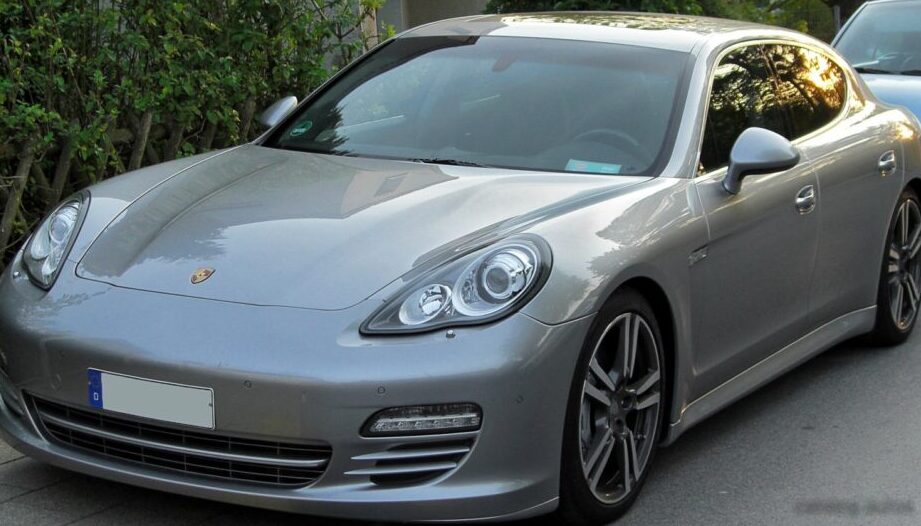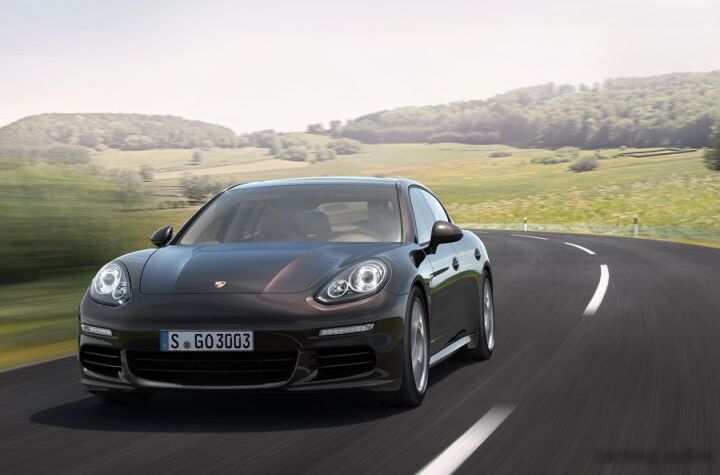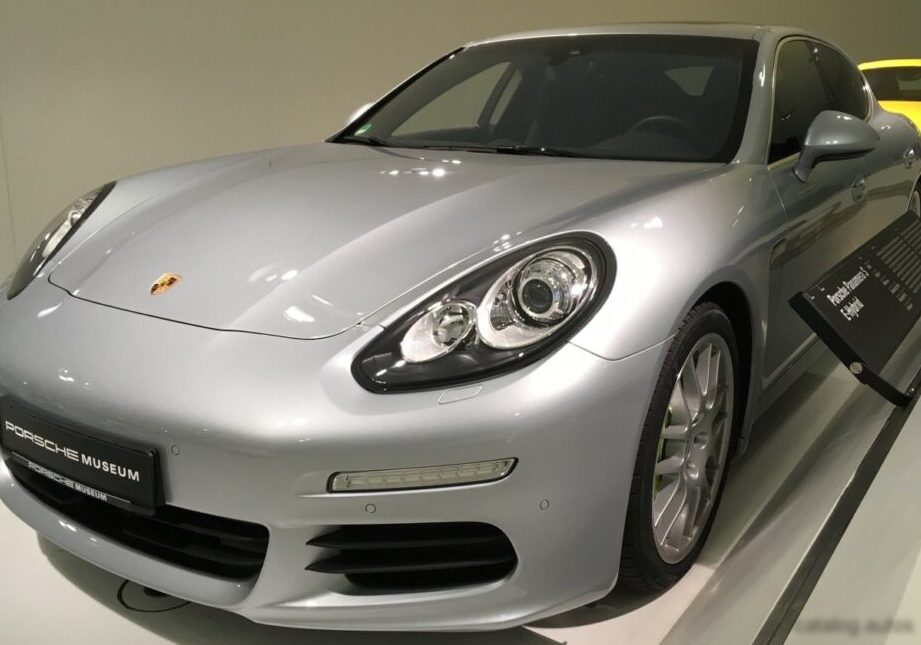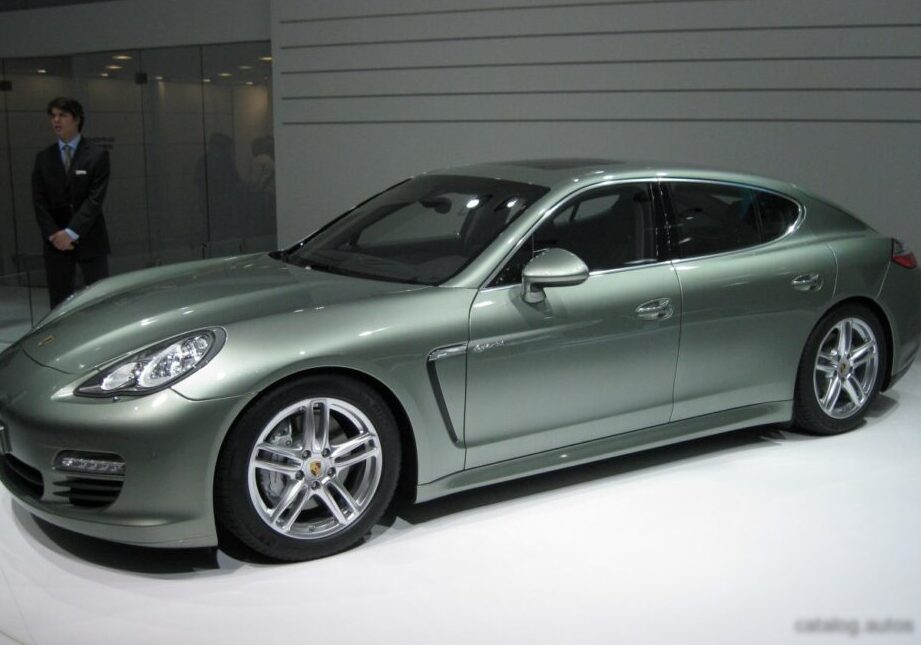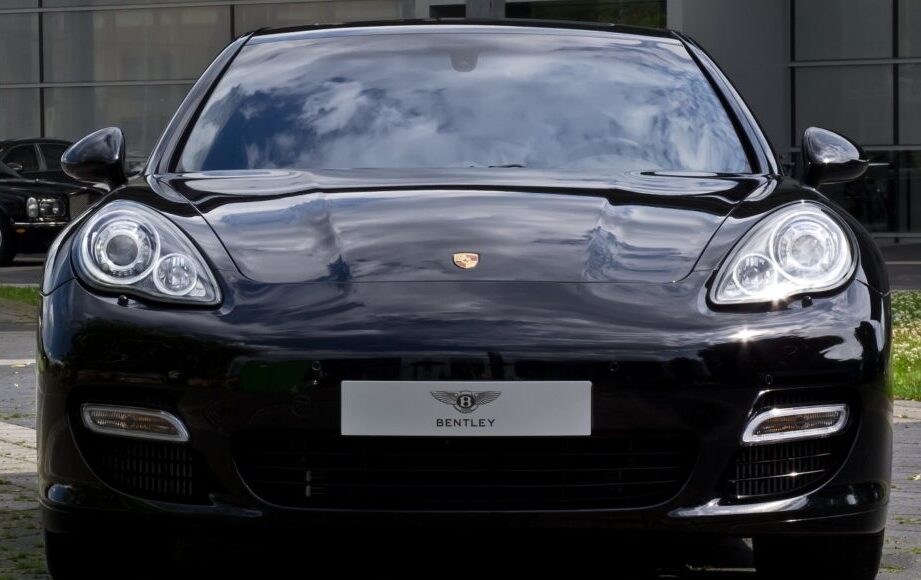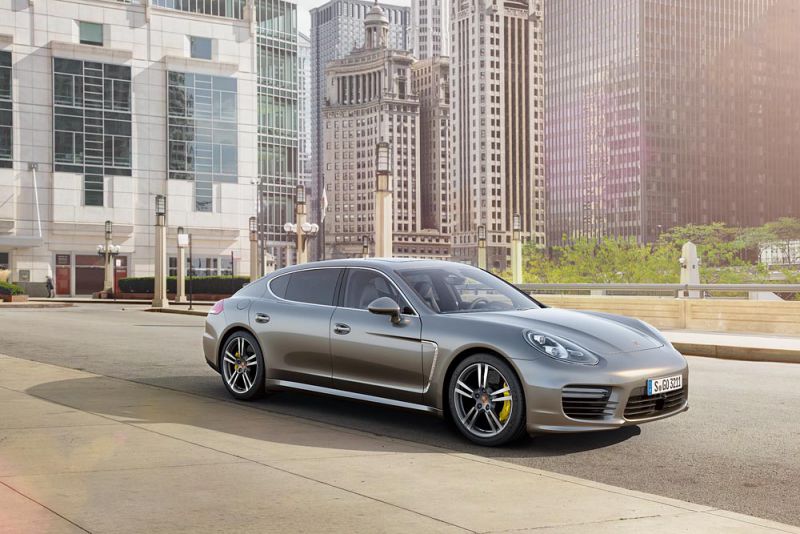
The Porsche Panamera (G1 II) Executive Turbo, produced between 2013 and 2016, represents a significant evolution of Porsche’s foray into the luxury four-door grand touring segment. As the second generation of the Panamera (designated G1 II, following a mid-cycle refresh), this model aimed to refine the original’s design and enhance its performance and technological offerings. The “Executive” designation denotes a long-wheelbase version, prioritizing rear passenger comfort, while the “Turbo” trim signifies the top-tier performance variant powered by a potent 4.8-liter twin-turbocharged V8 engine. This vehicle was primarily marketed in North America, Europe, and Asia, competing with established luxury sedans like the BMW 7 Series, Mercedes-Benz S-Class, and Audi A8.
Porsche Panamera (G1 II) Executive Turbo: A Detailed Overview
The Panamera G1 II Executive Turbo was Porsche’s answer to the growing demand for a vehicle that combined the performance characteristics of a sports car with the practicality and luxury of a sedan. The Executive variant, with its extended wheelbase, specifically targeted customers seeking a more spacious and comfortable rear seating experience, often utilized for chauffeur-driven transport or long-distance travel. The G1 II generation brought subtle but important styling updates, improving the aesthetics of the original Panamera while maintaining its distinctive silhouette.
Engine & Performance
At the heart of the Panamera Executive Turbo lies a 4.8-liter twin-turbocharged V8 engine, designated the CWBA. This powerplant delivers a formidable 520 horsepower at 6000 rpm and 700 Nm (516.29 lb.-ft.) of torque between 2250 and 4500 rpm. The engine utilizes direct fuel injection and intercooling to maximize efficiency and power output. Coupled with Porsche’s seven-speed PDK (Porsche Doppelkupplung) dual-clutch automatic transmission and an all-wheel-drive system, the Panamera Executive Turbo achieves impressive performance figures. Acceleration from 0 to 100 km/h (0-62 mph) takes just 4.2 seconds, while 0 to 60 mph is achieved in a calculated 4.0 seconds. The vehicle boasts a top speed of 305 km/h (189.52 mph). The engine’s power-to-weight ratio is a noteworthy 4 kg/Hp, and its power per liter is 108.2 Hp/l, highlighting its engineering prowess. Fuel consumption is rated at 10.3 l/100 km (22.8 US mpg, 27.4 UK mpg) combined, with urban figures reaching 14.9 l/100 km (15.8 US mpg, 19 UK mpg) and extra-urban consumption at 7.8 l/100 km (30.2 US mpg, 36.2 UK mpg). CO2 emissions are rated at 242 g/km, meeting Euro 5 emission standards.
Design & Features
The Porsche Panamera G1 II maintains the distinctive liftback body style, offering a unique blend of coupe-like aesthetics and sedan practicality. The five-door configuration provides easy access to both front and rear seats. The Executive model’s extended wheelbase adds approximately 150mm (5.9 inches) to the overall length, translating into significantly more rear legroom. The interior is characterized by Porsche’s commitment to luxury and craftsmanship, featuring high-quality materials, comfortable seating, and a driver-focused cockpit. Key features include a fully integrated infotainment system, advanced climate control, and a range of customizable options. Safety features are comprehensive, including ABS (Anti-lock Braking System), multiple airbags, and stability control systems. The trunk offers a versatile 432 liters (15.26 cu. ft.) of space in its standard configuration, expanding to 1250 liters (44.14 cu. ft.) with the rear seats folded down. The vehicle’s aerodynamic profile is optimized with a drag coefficient (Cd) of 0.32.
Technical Specifications
| Brand | Porsche |
| Model | Panamera |
| Generation | Panamera (G1 II) Executive |
| Type (Engine) | Turbo 4.8 V8 (520 Hp) PDK |
| Start of production | 2013 |
| End of production | 2016 |
| Powertrain Architecture | Internal Combustion engine |
| Body type | Liftback |
| Seats | 4 |
| Doors | 5 |
| Fuel consumption (economy) – urban | 14.9 l/100 km (15.8 US mpg, 19 UK mpg) |
| Fuel consumption (economy) – extra urban | 7.8 l/100 km (30.2 US mpg, 36.2 UK mpg) |
| Fuel consumption (economy) – combined | 10.3 l/100 km (22.8 US mpg, 27.4 UK mpg) |
| CO2 emissions | 242 g/km |
| Fuel Type | Petrol (Gasoline) |
| Acceleration 0 – 100 km/h | 4.2 sec |
| Acceleration 0 – 62 mph | 4.2 sec |
| Acceleration 0 – 60 mph | 4 sec |
| Maximum speed | 305 km/h (189.52 mph) |
| Emission standard | Euro 5 |
| Weight-to-power ratio | 4 kg/Hp |
| Weight-to-torque ratio | 3 kg/Nm |
| Power | 520 Hp @ 6000 rpm |
| Torque | 700 Nm @ 2250-4500 rpm (516.29 lb.-ft. @ 2250-4500 rpm) |
| Engine layout | Front, Longitudinal |
| Engine Model/Code | CWBA |
| Engine displacement | 4806 cm3 (293.28 cu. in.) |
| Number of cylinders | 8 |
| Engine configuration | V-engine |
| Cylinder Bore | 96 mm (3.78 in.) |
| Piston Stroke | 83 mm (3.27 in.) |
| Compression ratio | 10.5:1 |
| Number of valves per cylinder | 4 |
| Fuel injection system | Direct injection |
| Engine aspiration | BiTurbo, Intercooler |
| Engine oil capacity | 9 l (9.51 US qt | 7.92 UK qt) |
| Kerb Weight | 2070 kg (4563.57 lbs.) |
| Max. weight | 2560 kg (5643.83 lbs.) |
| Max load | 490 kg (1080.27 lbs.) |
| Trunk (boot) space – minimum | 432 l (15.26 cu. ft.) |
| Trunk (boot) space – maximum | 1250 l (44.14 cu. ft.) |
| Fuel tank capacity | 100 l (26.42 US gal | 22 UK gal) |
| Length | 5165 mm (203.35 in.) |
| Width | 1931 mm (76.02 in.) |
| Height | 1425 mm (56.1 in.) |
| Wheelbase | 3070 mm (120.87 in.) |
| Front track | 1656 mm (65.2 in.) |
| Rear (Back) track | 1646 mm (64.8 in.) |
| Drag coefficient (Cd) | 0.32 |
| Drive wheel | All wheel drive (4×4) |
| Number of gears and type of gearbox | 7 gears, automatic transmission PDK |
| Front suspension | Double wishbone |
| Rear suspension | Independent multi-link suspension |
| Front brakes | Ventilated discs |
| Rear brakes | Ventilated discs |
| Assisting systems | ABS (Anti-lock braking system) |
| Steering type | Steering rack and pinion |
| Tires size | Front wheel tires: 255/45 ZR19 Rear wheel tires: 285/40 ZR19 |
| Wheel rims size | Front wheel rims: 9J x 19 Rear wheel rims: 10J x 19 |