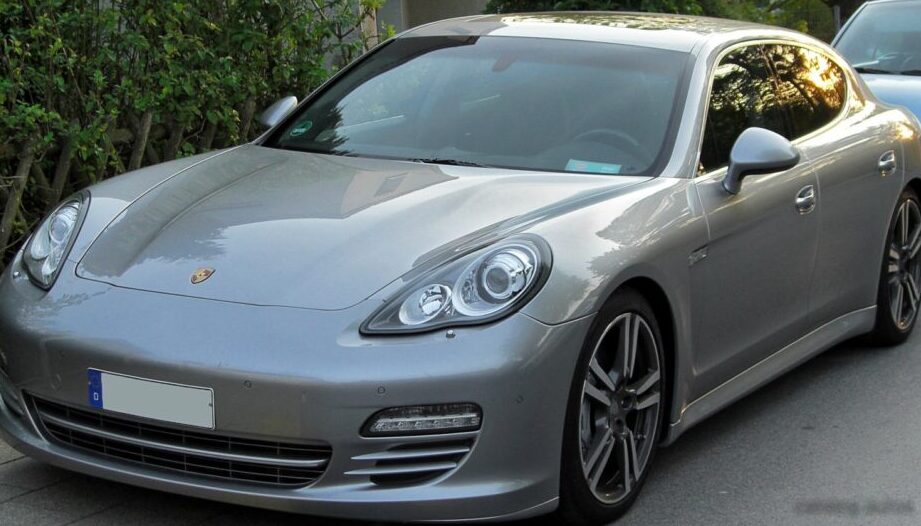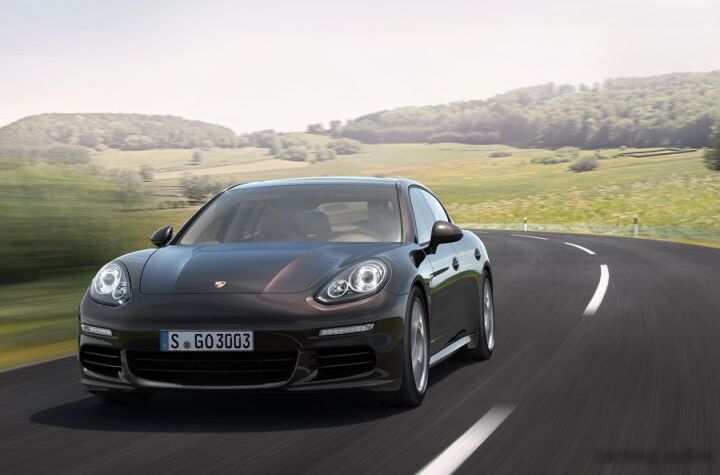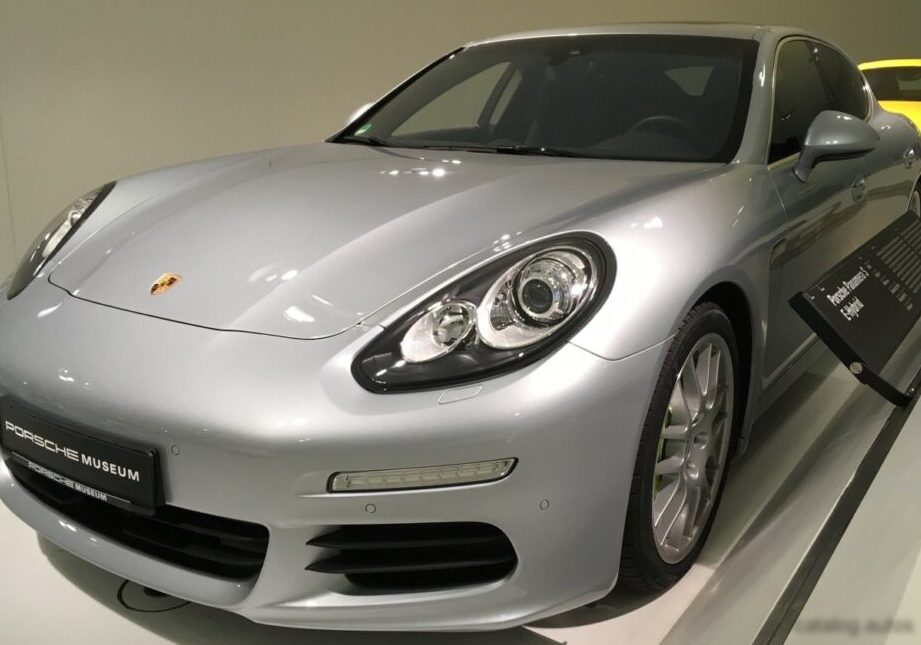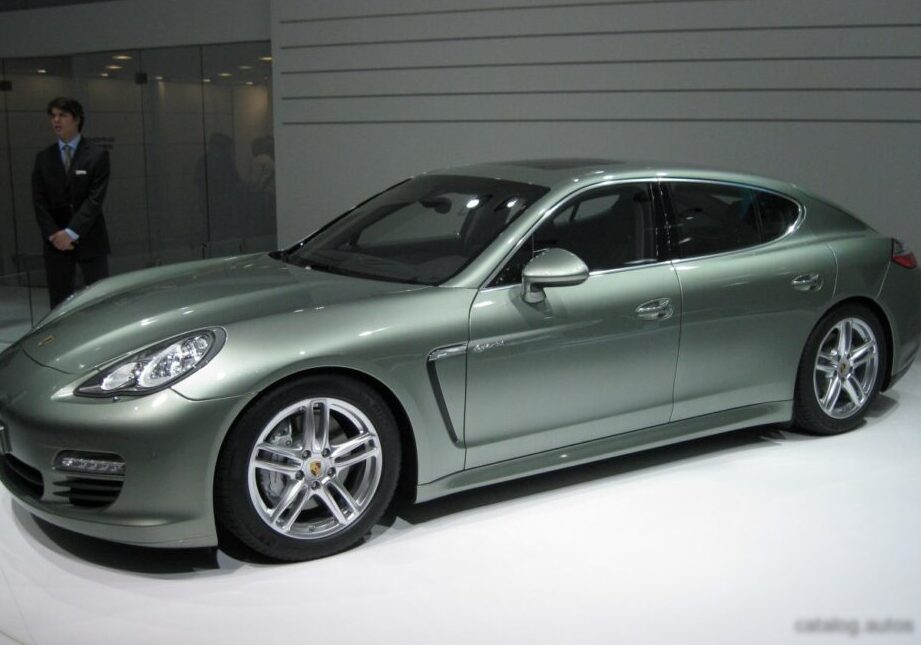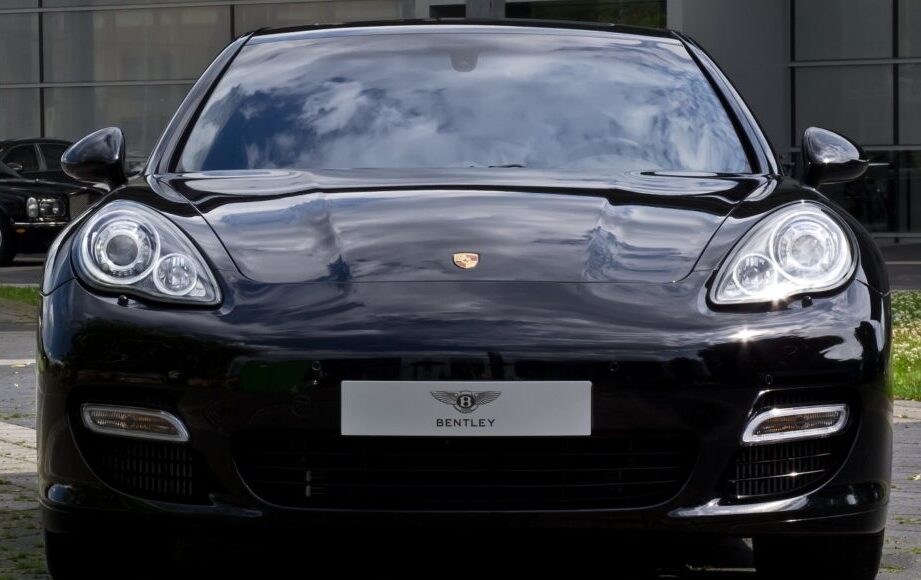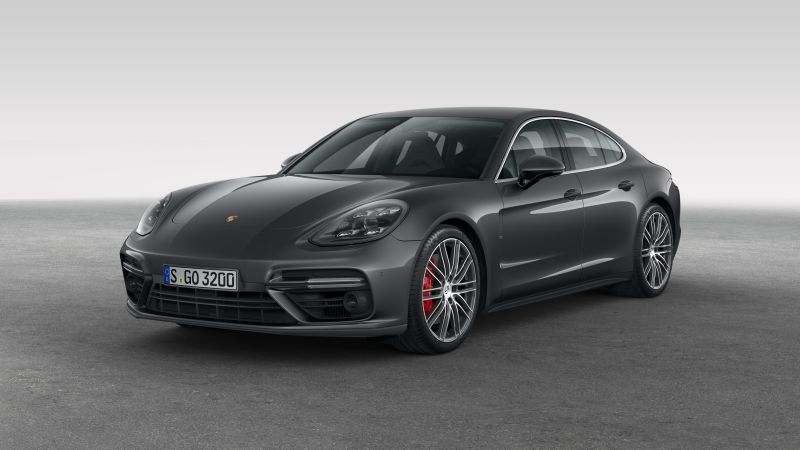
The Porsche Panamera (G2) 4 3.0 V6 (330 Hp) PDK, produced between November 2016 and August 2018, represents the second generation of Porsche’s luxury four-door liftback. Introduced as a direct competitor to vehicles like the BMW 7 Series and Mercedes-Benz S-Class, the Panamera aimed to deliver the performance and driving dynamics expected of a Porsche, packaged within a more practical and spacious body style. The “G2” designation refers to the second generation of the Panamera, which brought significant advancements in technology, efficiency, and design compared to its predecessor. This particular variant, the 4 3.0 V6, offered a compelling balance of power, fuel economy, and all-wheel-drive capability, making it a popular choice within the Panamera lineup.
Porsche Panamera (G2) 4 3.0 V6: Overview
The Panamera G2 marked a substantial departure from the first-generation model, adopting a more refined and sculpted exterior design. Internally, Porsche focused on utilizing a new platform – the Modular Longitudinal Architecture (MLA) – which allowed for greater flexibility in powertrain options and interior packaging. The 4 3.0 V6 model specifically targeted buyers seeking a blend of performance and efficiency, offering a turbocharged V6 engine paired with Porsche’s renowned PDK (Porsche Doppelkupplung) dual-clutch transmission and an all-wheel-drive system.
Engine & Performance
At the heart of the Panamera 4 3.0 V6 lies a 2.995-liter (182.77 cubic inches) twin-turbocharged V6 engine, designated EA839 / MCX.TA. This engine produces 330 horsepower at 5400-6400 rpm and 450 Nm (331.9 lb.-ft.) of torque between 1340 and 4900 rpm. The direct injection system and turbocharging contribute to both its power output and relatively efficient fuel consumption. The engine boasts a compression ratio of 11.2:1 and a maximum engine speed of 6500 rpm. Paired with the eight-speed PDK transmission, the Panamera 4 3.0 V6 achieves a 0-100 km/h (0-62 mph) acceleration time of 5.5 seconds, and a 0-60 mph time of 5.2 seconds. Its top speed is electronically limited to 262 km/h (162.8 mph). The weight-to-power ratio of 5.6 kg/Hp and weight-to-torque ratio of 4.1 kg/Nm further highlight the vehicle’s performance capabilities.
Design & Features
The Porsche Panamera G2 is characterized by its distinctive liftback design, offering a blend of coupe-like aesthetics and the practicality of a hatchback. The five-door body style provides easy access to both the front and rear seats, while the large rear hatch offers a generous cargo capacity. The interior is meticulously crafted with high-quality materials and a driver-focused layout. Key features of the G2 Panamera included Porsche’s Advanced Cockpit, featuring a fully digital instrument cluster, a large central touchscreen display, and advanced connectivity options. Safety features were also a priority, with available systems such as Porsche Dynamic Chassis Control (PDCC), adaptive cruise control, lane keep assist, and automatic emergency braking. The liftback configuration provides 495 liters (17.48 cubic feet) of trunk space with the rear seats up, expanding to 1304 liters (46.05 cubic feet) when folded down. The vehicle’s aerodynamic efficiency is reflected in its drag coefficient of 0.28.
Technical Specifications
| Brand | Porsche |
| Model | Panamera |
| Generation | Panamera (G2) |
| Type (Engine) | 4 3.0 V6 (330 Hp) PDK |
| Start of production | November, 2016 |
| End of production | August, 2018 |
| Powertrain Architecture | Internal Combustion engine |
| Body type | Liftback |
| Seats | 4 |
| Doors | 5 |
| Fuel consumption (economy) – urban | 9.9-9.8 l/100 km (23.8 – 24 US mpg, 28.5 – 28.8 UK mpg, 10.1 – 10.2 km/l) |
| Fuel consumption (economy) – extra urban | 6.5-6.4 l/100 km (36.2 – 36.8 US mpg, 43.5 – 44.1 UK mpg, 15.4 – 15.6 km/l) |
| Fuel consumption (economy) – combined | 7.8-7.7 l/100 km (30.2 – 30.5 US mpg, 36.2 – 36.7 UK mpg, 12.8 – 13 km/l) |
| CO2 emissions | 177-175 g/km |
| Fuel Type | Petrol (Gasoline) |
| Acceleration 0 – 100 km/h | 5.5 sec |
| Acceleration 0 – 62 mph | 5.5 sec |
| Acceleration 0 – 60 mph | 5.2 sec |
| Acceleration 0 – 200 km/h | 22.5 sec |
| Maximum speed | 262 km/h (162.8 mph) |
| Emission standard | Euro 6 |
| Weight-to-power ratio | 5.6 kg/Hp, 178.4 Hp/tonne |
| Weight-to-torque ratio | 4.1 kg/Nm, 243.2 Nm/tonne |
| Power | 330 Hp @ 5400-6400 rpm |
| Power per litre | 110.2 Hp/l |
| Torque | 450 Nm @ 1340-4900 rpm (331.9 lb.-ft. @ 1340-4900 rpm) |
| Maximum engine speed | 6500 rpm |
| Engine layout | Front, Longitudinal |
| Engine Model/Code | EA839 / MCX.TA |
| Engine displacement | 2995 cm3 (182.77 cu. in.) |
| Number of cylinders | 6 |
| Engine configuration | V-engine |
| Cylinder Bore | 84.5 mm (3.33 in.) |
| Piston Stroke | 89 mm (3.5 in.) |
| Compression ratio | 11.2:1 |
| Number of valves per cylinder | 4 |
| Fuel injection system | Direct injection |
| Engine aspiration | Turbocharger, Intercooler |
| Engine oil capacity | 7.2 l (7.61 US qt | 6.34 UK qt) |
| Kerb Weight | 1850 kg (4078.55 lbs.) |
| Max. weight | 2430 kg (5357.23 lbs.) |
| Max load | 580 kg (1278.68 lbs.) |
| Trunk (boot) space – minimum | 495 l (17.48 cu. ft.) |
| Trunk (boot) space – maximum | 1304 l (46.05 cu. ft.) |
| Fuel tank capacity | 75 l (19.81 US gal | 16.5 UK gal) |
| Length | 5049 mm (198.78 in.) |
| Width | 1937 mm (76.26 in.) |
| Width including mirrors | 2165 mm (85.24 in.) |
| Height | 1423 mm (56.02 in.) |
| Wheelbase | 2950 mm (116.14 in.) |
| Front track | 1671 mm (65.79 in.) |
| Rear (Back) track | 1651 mm (65 in.) |
| Drag coefficient (Cd) | 0.28 |
| Minimum turning circle (turning diameter) | 11.4-11.9 m (37.4 – 39.04 ft.) |
| Drive wheel | All wheel drive (4×4) |
| Number of gears and type of gearbox | 8 gears, automatic transmission PDK |
| Front suspension | Double wishbone |
| Rear suspension | Independent multi-link suspension |
| Front brakes | Ventilated discs |
| Rear brakes | Ventilated discs |
| Assisting systems | ABS (Anti-lock braking system) |
| Steering type | Steering rack and pinion |
| Power steering | Electric Steering |
| Tires size | Front wheel tires: 265/45 ZR19 Rear wheel tires: 295/40 ZR19 |
| Wheel rims size | Front wheel rims: 9 J x 19 Rear wheel rims: 10.5 J x 19 |
The Porsche Panamera (G2) 4 3.0 V6 PDK successfully blended luxury, performance, and practicality, establishing itself as a significant player in the high-end executive car segment. Its advanced technology, refined design, and engaging driving experience cemented its position as a true Porsche.