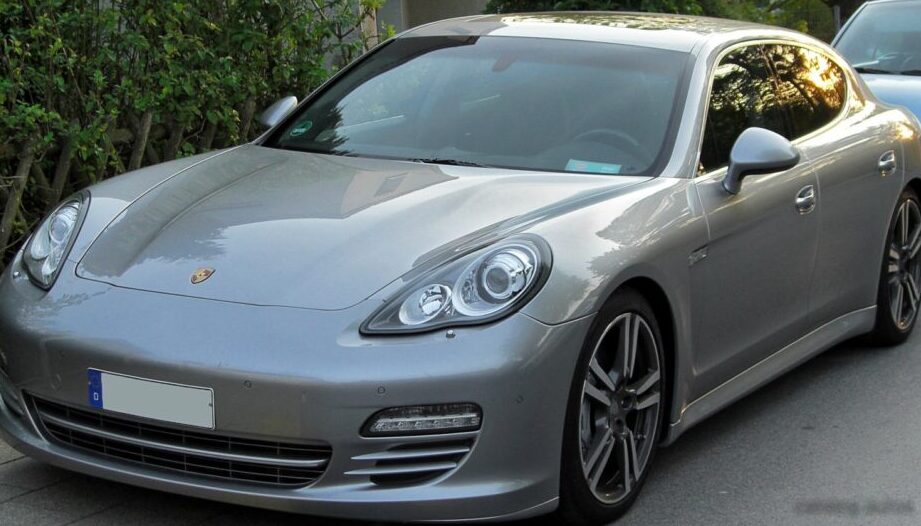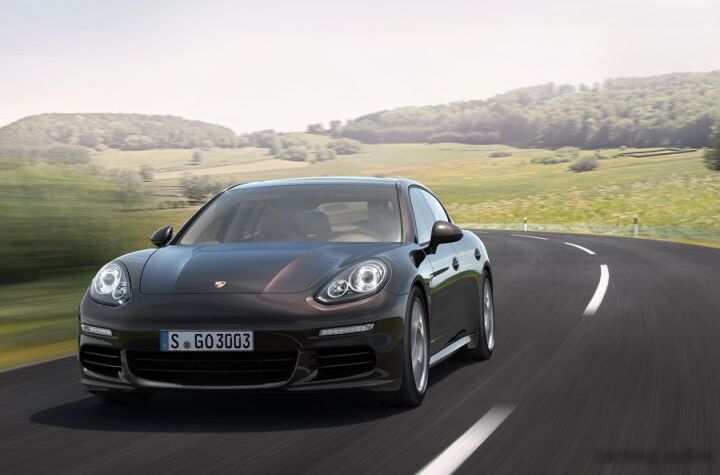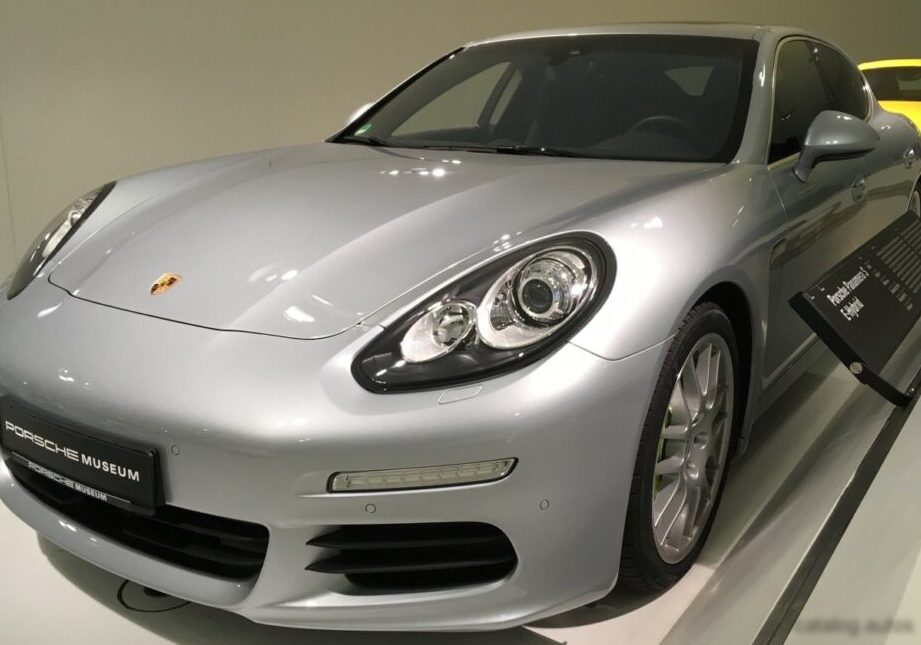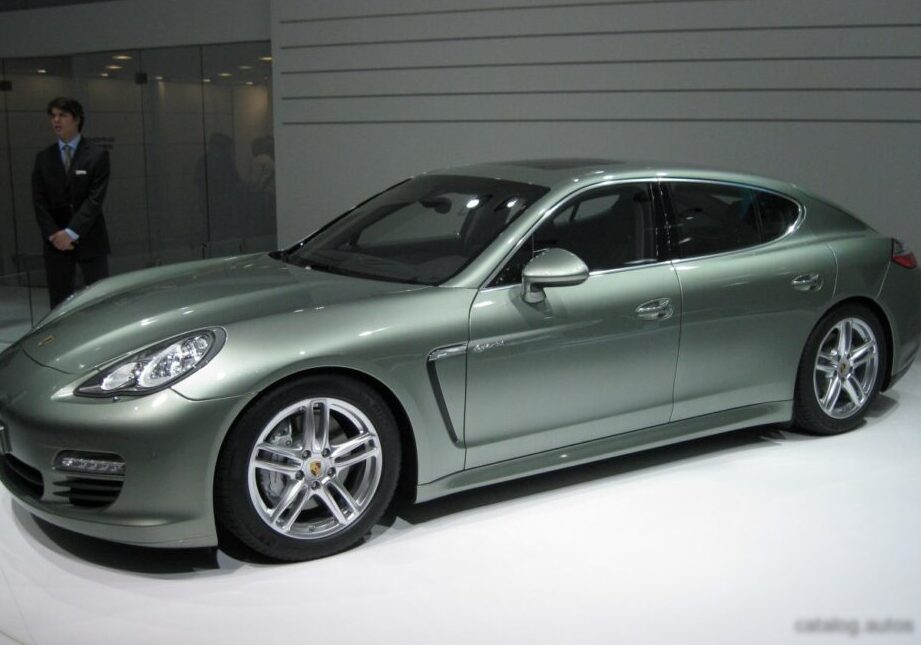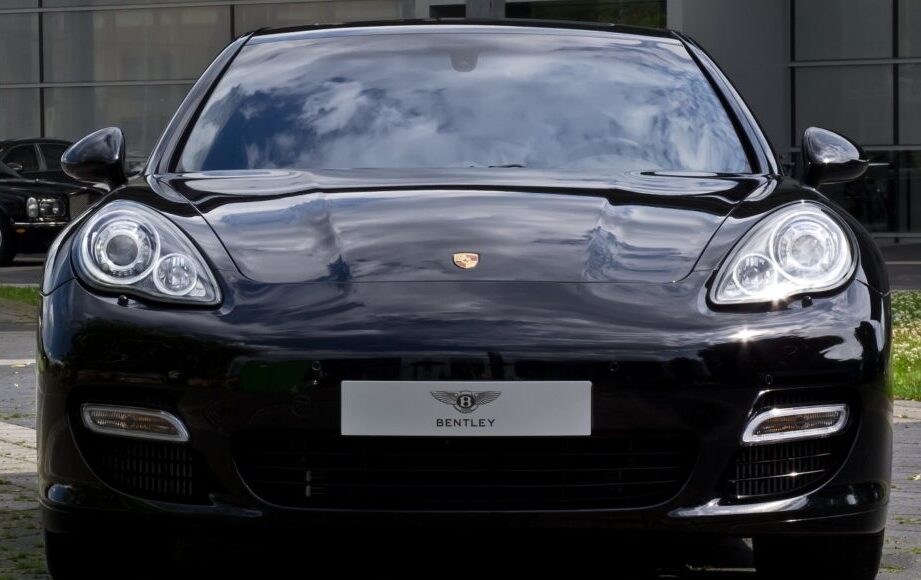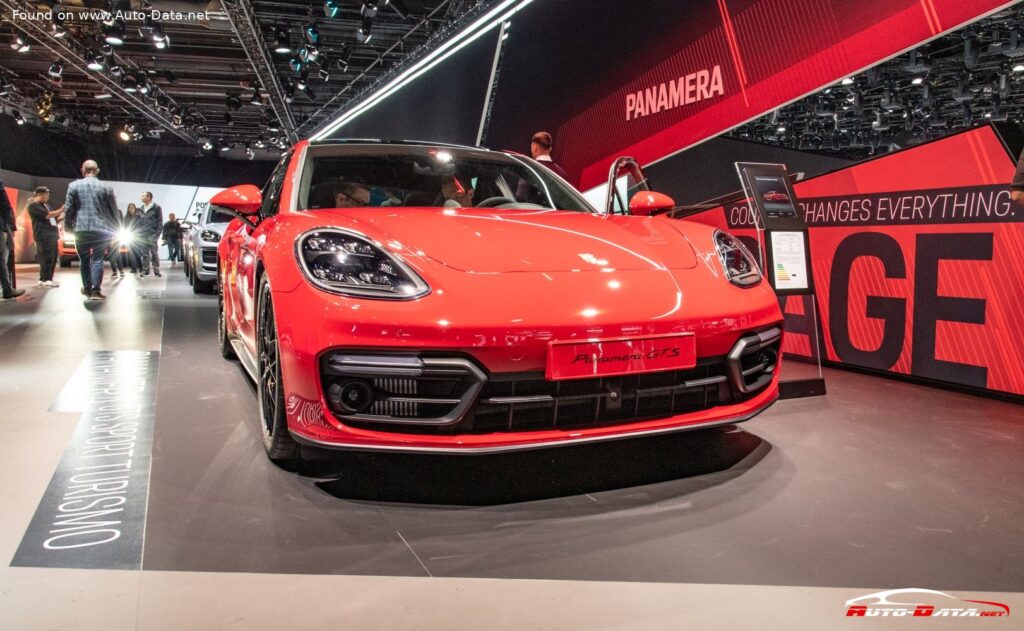
The Porsche Panamera (G2) Sport Turismo 4S 2.9 V6 (440 Hp) PDK, produced from 2017 to 2018, represents Porsche’s foray into the luxury performance wagon segment. Building upon the success of the second-generation Panamera (G2) launched in 2016, the Sport Turismo variant expands practicality with a station wagon (estate) body style without sacrificing the driving dynamics Porsche is renowned for. This model specifically caters to buyers seeking a versatile vehicle capable of delivering both exhilarating performance and everyday usability. While the Panamera was always sold in the US market, the Sport Turismo version was less common, appealing to a niche audience desiring a more practical Porsche.
Porsche Panamera (G2) Sport Turismo 4S: An Overview
The G2 generation Panamera marked a significant departure from its predecessor, adopting a more contemporary design language and a completely new platform. The Sport Turismo, introduced as part of this generation, aimed to broaden the Panamera’s appeal by offering increased cargo capacity and rear headroom compared to the standard sedan. The 4S model, equipped with the 2.9-liter twin-turbocharged V6 engine, strikes a balance between performance and efficiency, making it a popular choice within the Sport Turismo lineup. It’s positioned as a premium offering, competing with vehicles like the Mercedes-Benz E-Class Wagon and Audi A6 Avant, though often at a higher price point reflecting the Porsche brand prestige.
Engine & Performance
At the heart of the Panamera Sport Turismo 4S lies a 2.9-liter twin-turbocharged V6 engine, designated EA839 / MCS.ZA. This powerplant generates 440 horsepower at 5650-6600 rpm and a substantial 550 Nm (405.66 lb.-ft.) of torque available from a low 1750-5500 rpm. The engine features direct fuel injection and an intercooler, optimizing combustion and maximizing power output. Coupled with Porsche’s 8-speed PDK (Porsche Doppelkupplung) dual-clutch automatic transmission and an all-wheel-drive system, the Sport Turismo 4S delivers impressive acceleration figures. It can sprint from 0 to 100 km/h (0-62 mph) in just 4.4 seconds, and 0 to 60 mph in a calculated 4.2 seconds, reaching a top speed of 286 km/h (177.71 mph). The engine’s power-to-weight ratio of 4.4 kg/Hp and torque-to-weight ratio of 3.5 kg/Nm contribute to its responsive and engaging driving experience. The engine boasts a compression ratio of 10.5:1 and a maximum engine speed of 6800 rpm.
Design & Features
The Panamera Sport Turismo 4S retains the sleek and aerodynamic silhouette of the standard Panamera, but extends the roofline rearward to create a more spacious cargo area. The body style is a five-door station wagon (estate) configuration, offering five seats. Key design elements include Porsche’s signature headlights, sculpted body panels, and a prominent rear spoiler. The interior is characterized by its luxurious materials, advanced technology, and driver-focused ergonomics. Standard features include a high-resolution touchscreen infotainment system, premium audio system, and a comprehensive suite of driver-assistance systems, including ABS (Anti-lock braking system). The Sport Turismo prioritizes practicality with a minimum trunk capacity of 520 liters (18.36 cu. ft.), expandable to 1390 liters (49.09 cu. ft.) with the rear seats folded down. The vehicle’s drag coefficient of 0.30 contributes to its aerodynamic efficiency. The suspension utilizes a double wishbone setup at the front and an independent multi-link suspension at the rear, providing a comfortable yet controlled ride.
Technical Specifications
| Brand | Porsche |
| Model | Panamera |
| Generation | Panamera (G2) Sport Turismo |
| Type (Engine) | 4S 2.9 V6 (440 Hp) PDK |
| Start of production | 2017 |
| End of production | August, 2018 |
| Powertrain Architecture | Internal Combustion engine |
| Body type | Station wagon (estate) |
| Seats | 5 |
| Doors | 5 |
| Fuel consumption (urban) | 10.3-10.4 l/100 km (22.8 – 22.6 US mpg) |
| Fuel consumption (extra urban) | 6.8-6.9 l/100 km (34.6 – 34.1 US mpg) |
| Fuel consumption (combined) | 8.2-8.3 l/100 km (28.7 – 28.3 US mpg) |
| CO2 emissions | 187-189 g/km |
| Fuel Type | Petrol (Gasoline) |
| Acceleration 0 – 100 km/h | 4.4 sec |
| Acceleration 0 – 62 mph | 4.4 sec |
| Acceleration 0 – 60 mph | 4.2 sec |
| Acceleration 0 – 200 km/h | 16.4 sec |
| Maximum speed | 286 km/h (177.71 mph) |
| Emission standard | Euro 6 |
| Weight-to-power ratio | 4.4 kg/Hp |
| Weight-to-torque ratio | 3.5 kg/Nm |
| Power | 440 Hp @ 5650-6600 rpm |
| Torque | 550 Nm @ 1750-5500 rpm (405.66 lb.-ft. @ 1750-5500 rpm) |
| Maximum engine speed | 6800 rpm |
| Engine displacement | 2894 cm3 (176.6 cu. in.) |
| Number of cylinders | 6 |
| Cylinder Bore | 84.5 mm (3.33 in.) |
| Piston Stroke | 86 mm (3.39 in.) |
| Compression ratio | 10.5:1 |
| Kerb Weight | 1915 kg (4221.85 lbs.) |
| Max. weight | 2615 kg (5765.09 lbs.) |
| Trunk (boot) space – minimum | 520 l (18.36 cu. ft.) |
| Trunk (boot) space – maximum | 1390 l (49.09 cu. ft.) |
| Fuel tank capacity | 75 l (19.81 US gal) |
| Length | 5049 mm (198.78 in.) |
| Width | 1937 mm (76.26 in.) |
| Height | 1428 mm (56.22 in.) |
| Wheelbase | 2950 mm (116.14 in.) |
| Drive wheel | All wheel drive (4×4) |
| Number of gears | 8 |
| Gearbox type | automatic transmission PDK |
The Porsche Panamera (G2) Sport Turismo 4S 2.9 V6 (440 Hp) PDK successfully blended Porsche’s performance heritage with the practicality of a wagon, offering a unique and compelling option in the luxury automotive market. Its combination of powerful engine, sophisticated technology, and refined design cemented its position as a desirable vehicle for discerning drivers.