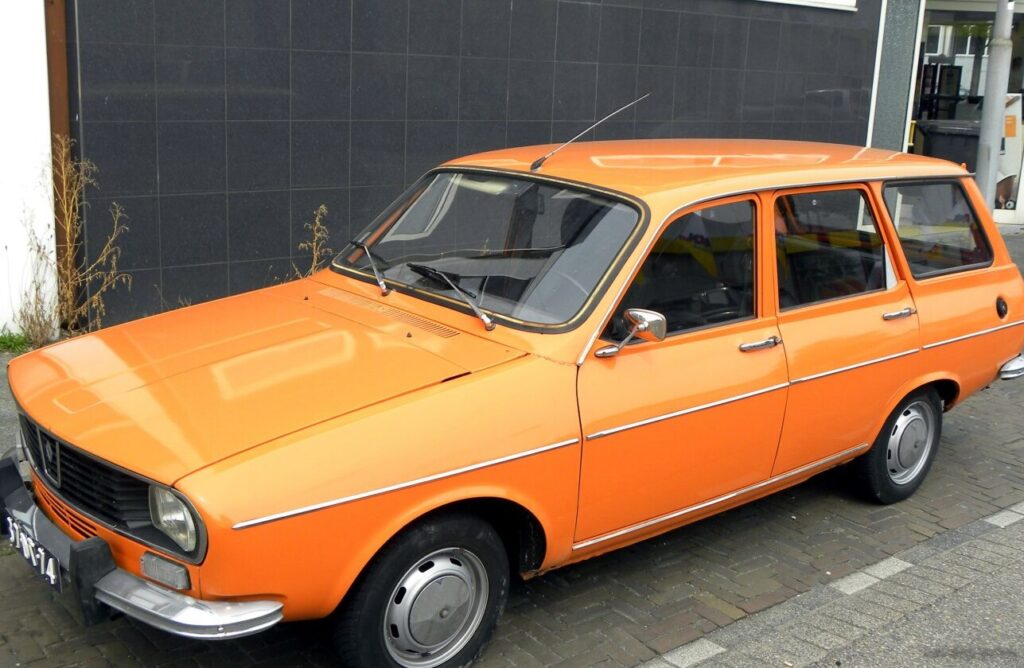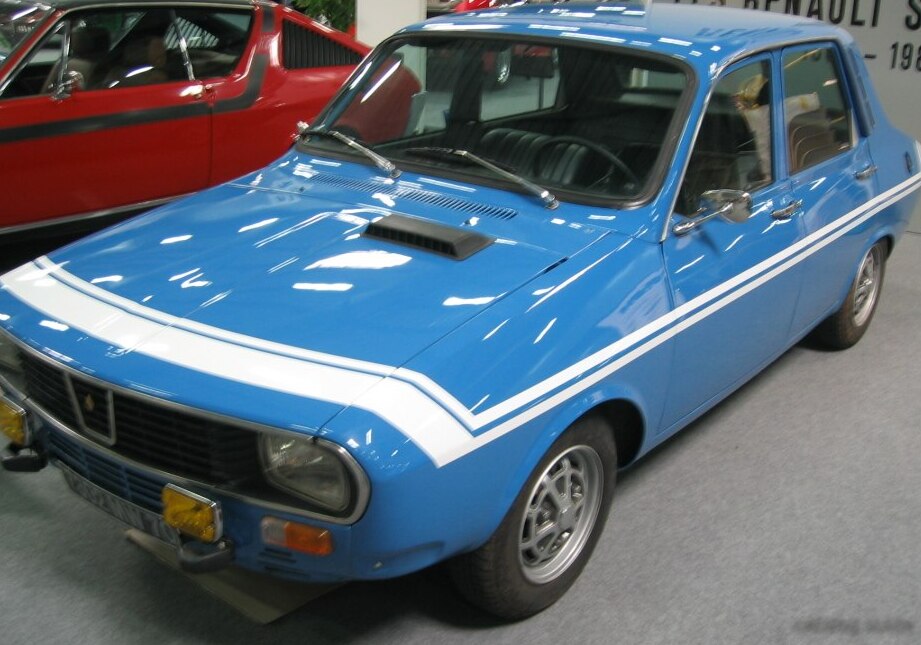
The Renault 12 1.3, produced between 1975 and 1980, represented a core offering within the broader Renault 12 range. This variant, designated by its 1170cc engine and 50 horsepower output, was primarily aimed at providing affordable and practical transportation for families and budget-conscious buyers. It occupied the entry-level position in the 12 lineup, offering a more economical alternative to the higher-powered and better-equipped versions. The Renault 12 itself was a significant model for Renault, designed as a modern, spacious, and relatively affordable family car to compete in the European compact car market.
Technical Specifications
| Brand | Renault |
| Model | 12 |
| Generation | 12 |
| Type (Engine) | 1.3 (1170) (50 Hp) |
| Start of Production | 1975 |
| End of Production | 1980 |
| Powertrain Architecture | Internal Combustion Engine |
| Body Type | Sedan |
| Seats | 5 |
| Doors | 4 |
| Fuel Type | Petrol (Gasoline) |
| Maximum Speed | 140 km/h (86.99 mph) |
| Power | 50 Hp |
| Engine Model/Code | 810 |
| Engine Aspiration | Naturally Aspirated |
| Engine Oil Capacity | 3.3 l (3.49 US qt | 2.9 UK qt) |
| Coolant Capacity | 5 l (5.28 US qt | 4.4 UK qt) |
| Fuel Tank Capacity | 47 l (12.42 US gal | 10.34 UK gal) |
Powertrain & Engine Architecture
The heart of the Renault 12 1.3 was the 1170cc inline-four cylinder engine, internally designated as the 810 series. This engine was a relatively simple design, featuring a single overhead camshaft (SOHC) operating two valves per cylinder. Fuel delivery was managed by a single downdraft carburetor, a common setup for vehicles of this era. The engine’s modest 50 horsepower output at around 5,000 rpm and approximately 68 lb-ft of torque was achieved through a relatively low compression ratio, prioritizing reliability and fuel economy over outright performance. The engine block was cast iron, contributing to its durability, while the cylinder head was aluminum. The transmission paired with this engine was typically a four-speed manual, though a three-speed automatic transmission was also offered, albeit less commonly. The automatic transmission was a conventional hydraulic unit, known for its smooth but somewhat leisurely shifts.
Driving Characteristics
The Renault 12 1.3, particularly in its automatic guise, was not a performance-oriented vehicle. Acceleration was modest, and overtaking required careful planning. The 0 to 60 mph time was estimated to be around 16-18 seconds. The automatic transmission, while providing convenience, further reduced the car’s responsiveness. However, the engine proved to be reasonably tractable, offering sufficient power for everyday driving conditions. The gear ratios in the automatic transmission were spaced to prioritize fuel efficiency and smooth cruising, rather than rapid acceleration. The car felt most comfortable at moderate speeds on level roads. Compared to the manual transmission versions, the automatic offered a more relaxed driving experience, but at the expense of performance and fuel economy. Higher-spec Renault 12 models, equipped with larger engines (1.6L) and more sophisticated carburation, offered significantly more power and a more engaging driving experience.
Equipment & Trim Levels
The Renault 12 1.3 typically came with a fairly basic level of equipment, reflecting its position as the entry-level model. Standard features generally included cloth upholstery, vinyl floor covering, and basic instrumentation consisting of a speedometer, fuel gauge, and temperature gauge. The steering wheel was typically made of plastic. Optional extras included a radio, heater, and upgraded upholstery. The dashboard layout was functional and straightforward, prioritizing practicality over aesthetics. Trim levels were relatively limited, with most variations stemming from optional equipment packages. The exterior trim was minimal, typically consisting of chrome bumpers and basic hubcaps. The interior space was a key selling point, offering comfortable seating for five adults, despite the car’s relatively compact dimensions.
Chassis & Braking
The Renault 12 featured an independent front suspension with MacPherson struts and a torsion beam rear suspension. This setup provided a reasonable balance between ride comfort and handling. The steering was rack and pinion, offering precise and responsive control. The braking system consisted of disc brakes on the front wheels and drum brakes on the rear wheels. The brakes were adequate for the car’s weight and performance, but lacked the stopping power of more modern systems. Stabilizer bars were not typically fitted to the base 1.3 model, contributing to a slightly more pronounced body roll in corners. The chassis was a monocoque construction, providing good structural rigidity. Tire size was typically 165-15, offering a compromise between comfort and grip.
Market Reception & Comparison
The Renault 12 1.3 was generally well-received as an affordable and practical family car. Critics praised its spacious interior, comfortable ride, and fuel efficiency. However, the engine’s modest power output and the automatic transmission’s sluggishness were often criticized. Compared to other cars in its class, such as the Volkswagen Beetle and the Ford Escort, the Renault 12 offered a more modern and spacious interior, but lacked the performance and brand prestige of some of its rivals. Fuel economy was a strong point, averaging around 35-40 mpg in typical driving conditions. Reliability was generally good, although the carburetor required periodic adjustment and maintenance. The automatic transmission versions were often considered less reliable than the manual transmission models.
Legacy
The Renault 12 1.3, while not a particularly exciting or high-performance vehicle, played a significant role in providing affordable transportation to a wide range of buyers. The 810 engine proved to be a durable and reliable unit, and many examples are still on the road today. In the used car market, the Renault 12 1.3 is often sought after by enthusiasts and collectors for its simplicity, affordability, and classic styling. Parts availability can be a challenge, but many components are still available through specialist suppliers. The car represents a significant piece of automotive history, embodying the design and engineering principles of the 1970s. Its enduring appeal lies in its practicality, reliability, and nostalgic charm.