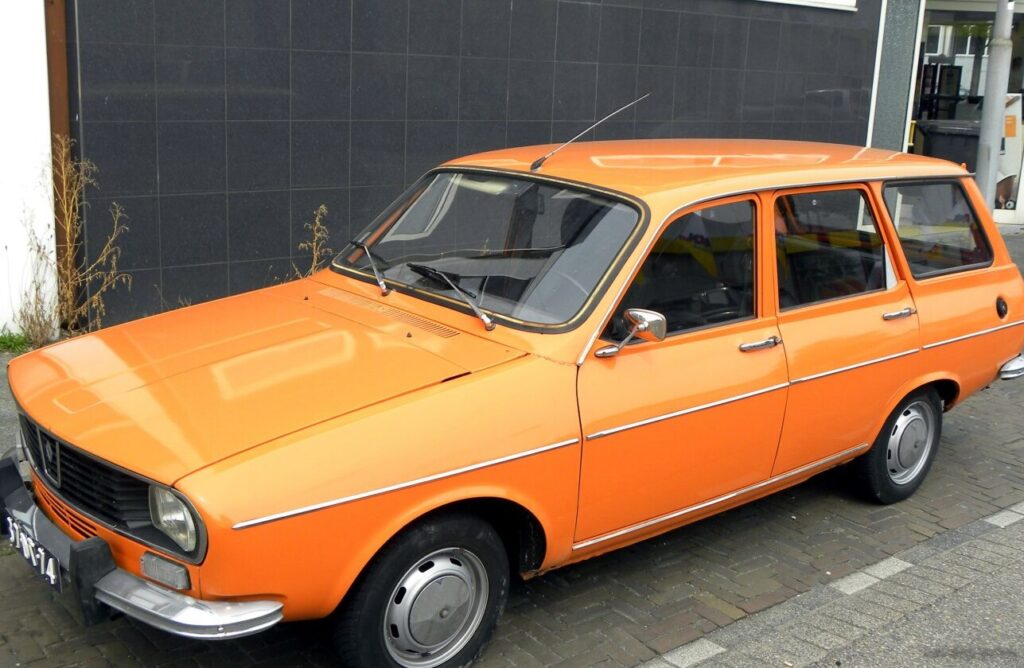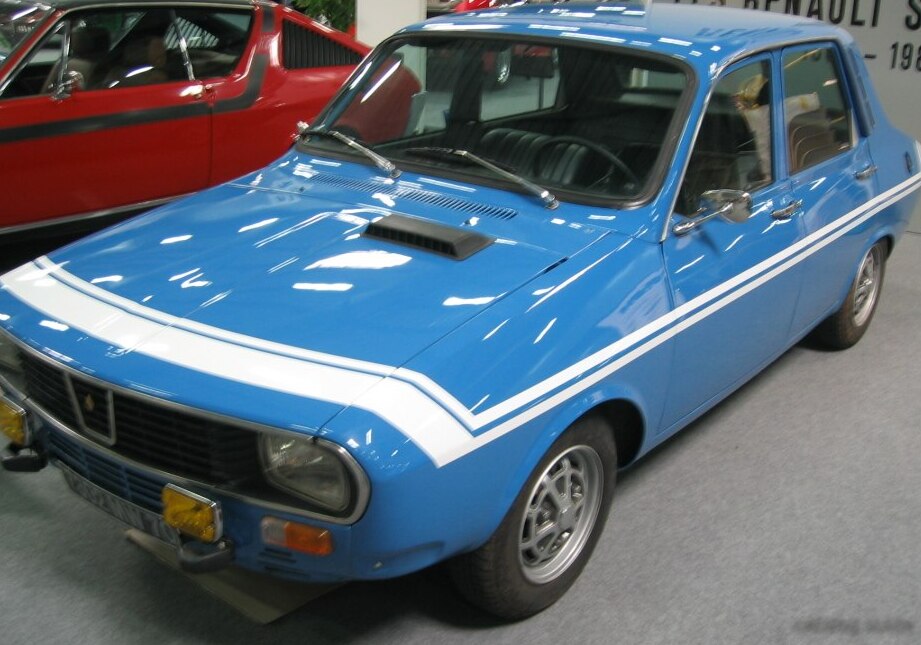
The Renault 12 1.3, produced between 1969 and 1980, represents a significant entry point into the popular Renault 12 model range. This variant, characterized by its 1.3-liter engine producing 54 horsepower, was primarily aimed at providing affordable and practical transportation for families. It occupied the lower end of the 12’s lineup, serving as the base model before more powerful and better-equipped versions became available. The Renault 12, overall, was a pivotal model for Renault, designed to modernize their offerings and compete in the increasingly crowded European compact car market.
Technical Specifications
| Brand | Renault |
| Model | 12 |
| Generation | 12 |
| Type (Engine) | 1.3 (1170) (54 Hp) |
| Start of production | 1969 |
| End of production | 1980 |
| Powertrain Architecture | Internal Combustion engine |
| Body type | Sedan |
| Seats | 5 |
| Doors | 4 |
| Fuel Type | Petrol (Gasoline) |
| Acceleration 0 – 100 km/h | 17.0 sec |
| Acceleration 0 – 62 mph | 17.0 sec |
| Acceleration 0 – 60 mph | 16.2 sec |
| Maximum speed | 142 km/h (88.23 mph) |
| Power | 54 Hp |
| Engine Model/Code | 810 |
| Engine aspiration | Naturally aspirated engine |
| Engine oil capacity | 3.3 l (3.49 US qt | 2.9 UK qt) |
| Coolant capacity | 5 l (5.28 US qt | 4.4 UK qt) |
| Fuel tank capacity | 50 l (13.21 US gal | 11 UK gal) |
Powertrain & Engine Architecture
The heart of the Renault 12 1.3 is the 1170cc, inline-four cylinder engine designated as the 810 series. This engine is a naturally aspirated unit, meaning it doesn’t employ a turbocharger or supercharger. It utilizes a relatively simple overhead valve (OHV) valvetrain, with two valves per cylinder. Fuel delivery is managed by a single, down-draft carburetor – a common setup for vehicles of this era. The carburetor’s role is to mix air and fuel in the correct proportions for combustion. The engine’s modest 54 horsepower output is a direct result of its small displacement and relatively conservative tuning. The engine is paired with a typically three or four-speed manual transmission, though a three-speed automatic transmission was also offered, albeit less commonly. The automatic transmission was a Borg-Warner unit, known for its durability but also for its relatively slow shift times and tendency to reduce fuel economy.
Driving Characteristics
The driving experience in a Renault 12 1.3 is best described as utilitarian. Acceleration is slow, with 0-60 mph taking around 16.2 seconds. This is not a car built for speed, but rather for economical and reliable transportation. The gear ratios in the manual transmission are spaced to maximize fuel efficiency, but this comes at the expense of responsiveness. The automatic transmission further diminishes acceleration, but offers a more relaxed driving experience, particularly in city traffic. The engine’s torque curve is relatively flat, meaning there isn’t a significant surge of power at any particular RPM. This makes the car predictable and easy to control, but also somewhat lacking in excitement. Handling is adequate, but not particularly sporty. The suspension is tuned for comfort, absorbing bumps and imperfections in the road reasonably well.
Equipment & Trim Levels
The Renault 12 1.3, as the base model, was fairly spartan in terms of equipment. Standard features typically included basic cloth upholstery, vinyl floor covering, and a simple dashboard layout. The instrument cluster usually consisted of a speedometer, fuel gauge, and temperature gauge. A basic two-speaker AM radio was often included, but power windows, central locking, and air conditioning were generally not available on this trim level. Optional extras included a heater, upgraded upholstery, and a more comprehensive instrument panel. The interior was designed with practicality in mind, offering ample space for passengers and luggage considering the car’s overall size. The exterior trim was minimal, with basic chrome bumpers and simple steel wheels with hubcaps.
Chassis & Braking
The Renault 12 utilizes a relatively simple chassis design. It features a front independent suspension with coil springs and a rear rigid axle suspension with leaf springs. This setup provides a comfortable ride, but doesn’t offer the same level of handling precision as more modern suspension designs. Braking is typically accomplished with drum brakes on all four wheels, although some later models may have featured front disc brakes. The braking system is adequate for the car’s performance, but lacks the stopping power of more modern vehicles. Steering is by a recirculating ball system, which provides a relatively heavy but precise feel. The car’s overall weight is relatively low, which helps to offset the limitations of the chassis and braking system.
Market Reception & Comparison
The Renault 12 1.3 was generally well-received as an affordable and reliable family car. Critics praised its practicality, fuel efficiency, and robust construction. However, it was also criticized for its slow acceleration and lack of refinement. Compared to other trims in the Renault 12 lineup, such as the 1.6-liter versions, the 1.3 offered significantly less performance. The 1.6L provided a noticeable boost in horsepower and torque, resulting in quicker acceleration and more enjoyable driving experience. However, the 1.3 was more fuel-efficient and less expensive to purchase and maintain. In terms of reliability, the 1.3 engine proved to be exceptionally durable, with many examples exceeding high mileage with minimal issues.
Legacy
The Renault 12 1.3 has become a popular choice among classic car enthusiasts, particularly those seeking an affordable and easy-to-maintain vintage vehicle. The 810 engine is known for its simplicity and reliability, making it relatively easy to repair and maintain. Parts availability is generally good, although some components may be difficult to find. Today, the Renault 12 1.3 represents a piece of automotive history, offering a glimpse into a bygone era of simple, practical, and durable automobiles. While not a performance icon, its enduring appeal lies in its affordability, reliability, and nostalgic charm. The car remains a testament to Renault’s commitment to providing accessible transportation to the masses.