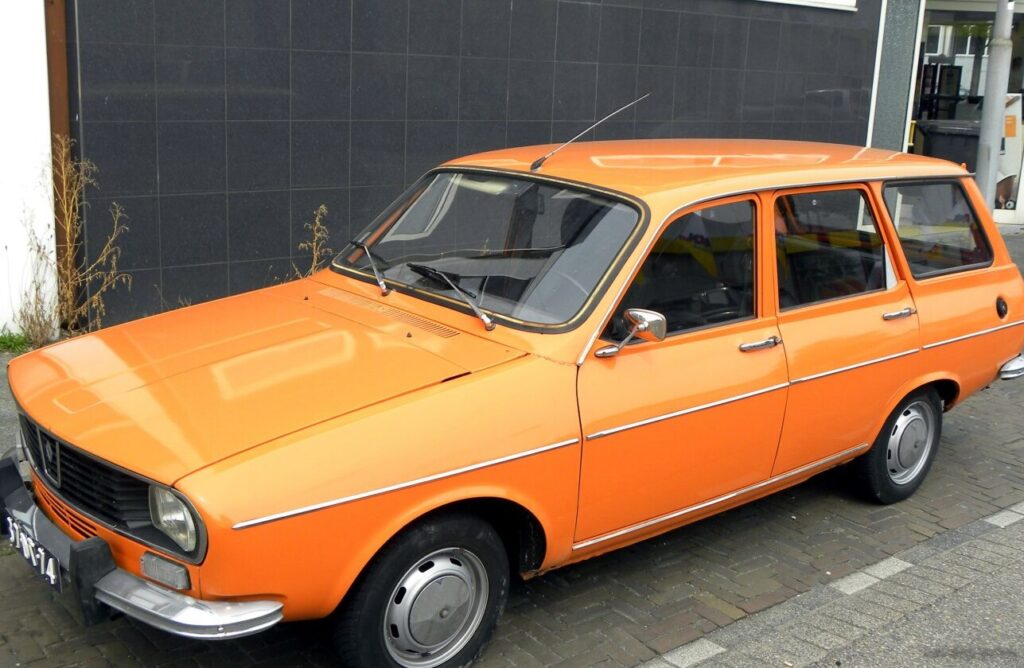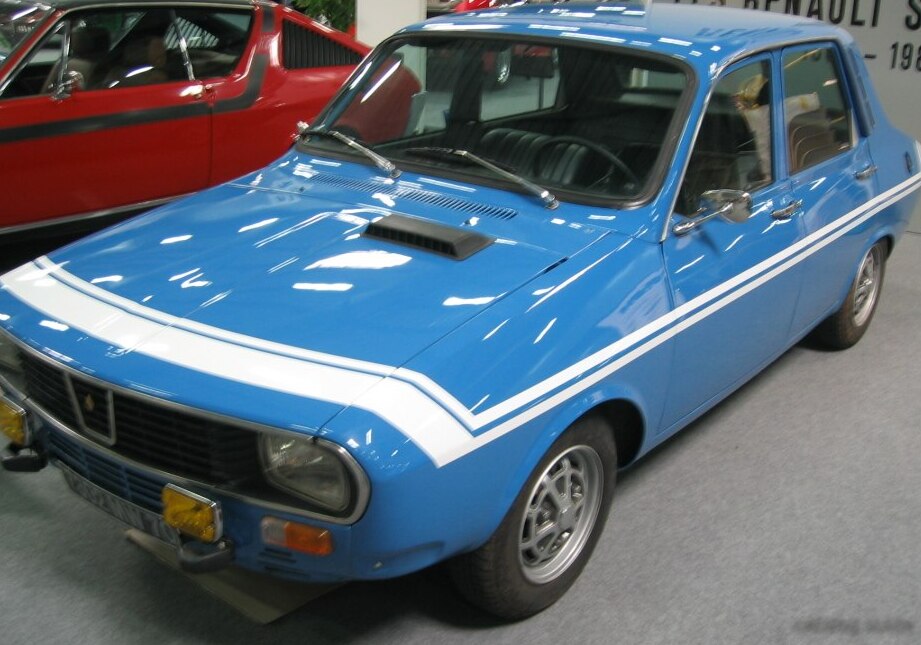
The Renault 12 Gordini, produced between 1971 and 1974, represents a performance-oriented variant of the popular Renault 12 sedan. Positioned as the flagship model within the 12 range, the Gordini was designed to appeal to enthusiasts seeking a more engaging driving experience. It was a key part of Renault’s strategy to build a reputation for sporting vehicles, leveraging the success of earlier Gordini-tuned models. The 12 Gordini was primarily marketed in Europe, particularly France, and offered a significant step up in performance compared to the standard 12 models.
Technical Specifications
| Brand | Renault |
| Model | 12 |
| Generation | 12 |
| Type (Engine) | 1.6 Gordini (113 Hp) |
| Start of production | 1971 |
| End of production | 1974 |
| Powertrain Architecture | Internal Combustion engine |
| Body type | Sedan |
| Seats | 5 |
| Doors | 4 |
| Fuel Type | Petrol (Gasoline) |
| Maximum speed | 185 km/h (114.95 mph) |
| Power | 113 Hp |
| Engine Model/Code | 807-20 |
| Engine aspiration | Naturally aspirated engine |
| Engine oil capacity | 4.3 l (4.54 US qt | 3.78 UK qt) |
| Coolant capacity | 5.7 l (6.02 US qt | 5.02 UK qt) |
| Fuel tank capacity | 89 l (23.51 US gal | 19.58 UK gal) |
Powertrain & Engine Architecture
The heart of the Renault 12 Gordini is its 1.6-liter, naturally aspirated inline-four cylinder engine, designated the 807-20. This engine was a significant upgrade over the standard 12’s smaller displacement units. It featured a higher compression ratio and a revised cylinder head, along with a twin-barrel Weber carburetor, contributing to its increased power output. The engine utilized a single overhead camshaft (SOHC) valvetrain, operating two valves per cylinder. While not a particularly advanced design by the standards of the time, the 807-20 was known for its robustness and tunability. The engine produced 113 horsepower at approximately 6000 rpm and around 107 lb-ft of torque. The Gordini was exclusively offered with a four-speed manual transmission, designed to handle the increased power and provide a more direct connection to the engine. The transmission featured a robust design, though its ratios were geared towards performance rather than outright fuel economy.
Driving Characteristics
The Renault 12 Gordini offered a noticeably more spirited driving experience than its standard counterparts. The increased power and responsive carburetor resulted in brisk acceleration for its time. The four-speed manual transmission allowed drivers to fully exploit the engine’s powerband. While not a sports car in the modern sense, the Gordini handled reasonably well, thanks to a slightly stiffer suspension setup compared to the base models. The steering was direct and provided good feedback, contributing to a feeling of control. However, the car’s relatively narrow track and modest tire sizes meant that it wasn’t particularly adept at high-speed cornering. Compared to other performance sedans of the early 1970s, the Gordini offered a good balance of performance and practicality. It wasn’t as overtly sporty as, say, an Alfa Romeo Giulia, but it was more affordable and easier to live with on a daily basis.
Equipment & Trim Levels
The Renault 12 Gordini was generally well-equipped for its era, though it wasn’t a luxury car. Standard features included cloth upholstery, a basic instrument cluster with speedometer, fuel gauge, and temperature gauge, and a three-spoke steering wheel. The Gordini also featured distinctive exterior styling cues, including a black grille, additional driving lights, and a unique stripe package. Optional extras included a sunroof, upgraded audio system, and metallic paint. The interior was functional and relatively spartan, reflecting the car’s performance-oriented focus. The dashboard layout was straightforward, with all controls within easy reach of the driver. The seats provided adequate support, though they weren’t particularly plush or comfortable.
Chassis & Braking
The Renault 12 Gordini utilized a conventional chassis design, with a separate body-on-frame construction. The suspension consisted of independent front suspension with coil springs and a live rear axle with leaf springs. The Gordini featured slightly stiffer springs and dampers compared to the standard 12, improving handling and reducing body roll. The braking system consisted of disc brakes on the front wheels and drum brakes on the rear wheels. While adequate for normal driving conditions, the brakes could be prone to fade under hard use. The steering was a recirculating ball system, providing good feel and precision. The car’s relatively light weight helped to offset the limitations of its braking and suspension systems.
Market Reception & Comparison
The Renault 12 Gordini was generally well-received by automotive critics and enthusiasts. It was praised for its lively performance, responsive handling, and distinctive styling. However, some critics noted its relatively basic interior and somewhat crude ride quality. Compared to other trims in the Renault 12 lineup, the Gordini represented a significant performance upgrade. The standard 12 models were more focused on fuel economy and practicality, while the Gordini was aimed at drivers who wanted a more engaging driving experience. The Gordini’s fuel economy was slightly lower than that of the standard models, due to its larger engine and more aggressive tuning. However, its reliability was generally good, and maintenance costs were reasonable.
Legacy
The Renault 12 Gordini remains a popular classic car among enthusiasts today. Its combination of performance, practicality, and distinctive styling has made it a sought-after collectible. The 807-20 engine is known for its durability and relatively simple maintenance requirements. However, finding parts can be challenging, as the car is now over 50 years old. Well-maintained examples of the Gordini can command a premium price on the used car market. The car’s legacy extends beyond its performance capabilities; it represents a significant chapter in Renault’s history, demonstrating the company’s commitment to building engaging and enjoyable vehicles. The Gordini name continues to be used by Renault today, applied to high-performance versions of its modern models, a testament to the enduring appeal of the original.