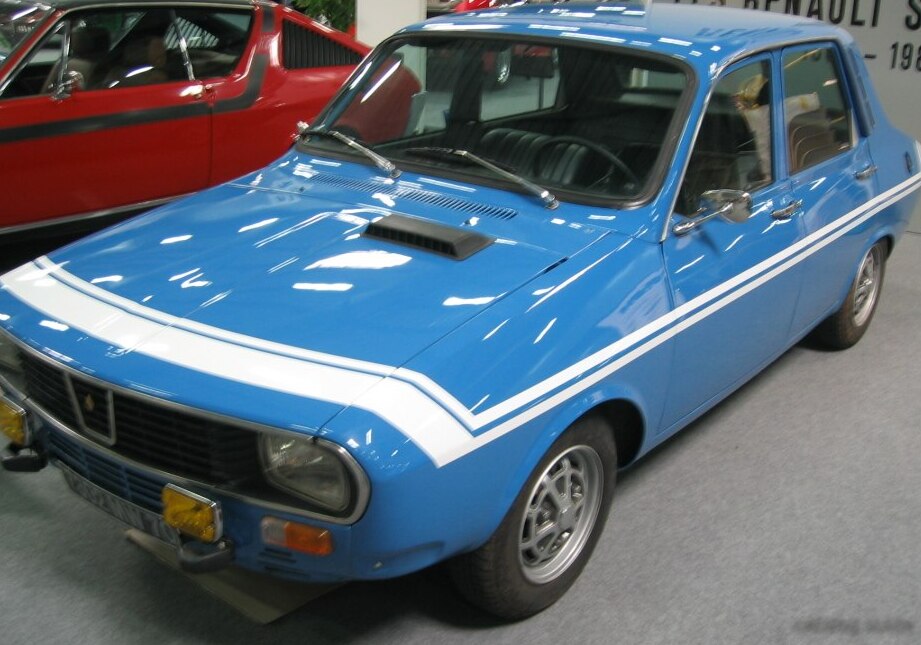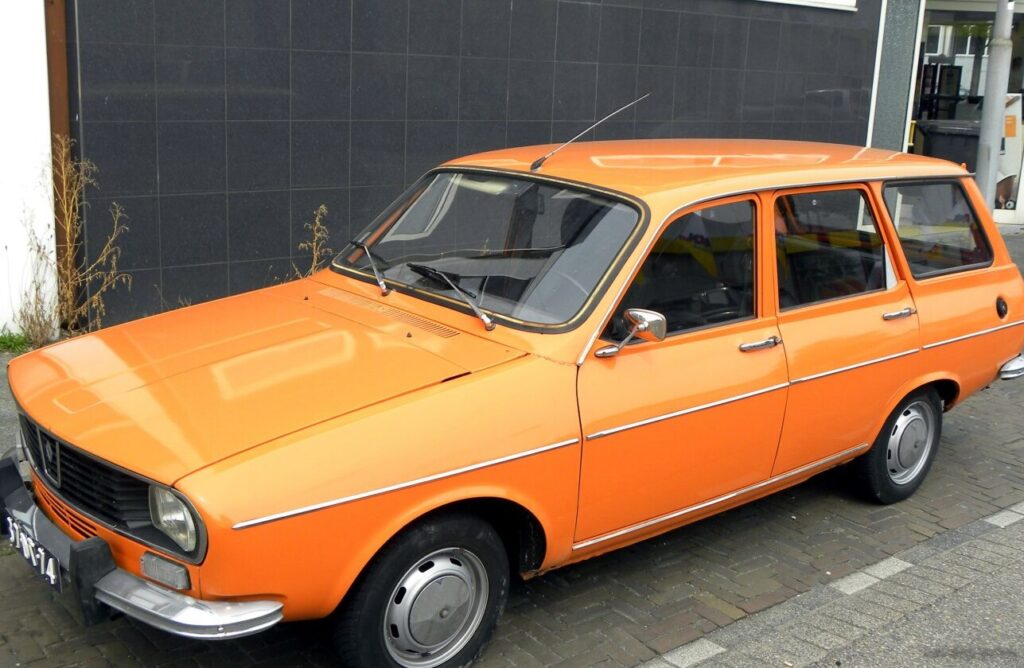
The Renault 12 Variable 1.3, produced between 1970 and 1975, represents a significant iteration of Renault’s popular compact family car. This variant, characterized by its 1.3-liter engine producing 54 horsepower, was primarily aimed at providing affordable and practical transportation for families. The “Variable” designation refers to the engine’s variable valve timing, a relatively advanced feature for its time, intended to improve fuel efficiency and broaden the engine’s usable powerband. It occupied the entry-level position within the Renault 12 range, offering a more economical alternative to the higher-powered versions. The Renault 12, overall, was a key model for Renault, designed to modernize their offerings and compete with increasingly sophisticated European and international rivals.
Technical Specifications
| Brand | Renault |
| Model | 12 |
| Generation | 12 Variable |
| Type (Engine) | 1.3 (1170) (54 Hp) |
| Start of production | 1970 |
| End of production | 1975 |
| Powertrain Architecture | Internal Combustion engine |
| Body type | Station wagon (estate) |
| Seats | 5 |
| Doors | 5 |
| Fuel Type | Petrol (Gasoline) |
| Acceleration 0 – 100 km/h | 17.5 sec |
| Acceleration 0 – 62 mph | 17.5 sec |
| Acceleration 0 – 60 mph | 16.6 sec |
| Maximum speed | 142 km/h (88.23 mph) |
| Power | 54 Hp |
| Engine Model/Code | 810 |
| Engine aspiration | Naturally aspirated engine |
| Engine oil capacity | 3.3 l (3.49 US qt | 2.9 UK qt) |
| Coolant capacity | 5 l (5.28 US qt | 4.4 UK qt) |
| Fuel tank capacity | 50 l (13.21 US gal | 11 UK gal) |
Powertrain & Engine Architecture
The Renault 12 Variable 1.3 utilizes a 1,170 cc (71.3 cubic inch) inline-four cylinder engine, designated the 810 series. This engine is notable for its implementation of variable valve timing – a relatively advanced technology for the early 1970s. While not a fully variable system as found in modern engines, it adjusted the intake valve timing based on engine speed, aiming to optimize both low-end torque and high-end power. The engine employs a single overhead camshaft (SOHC) design, operating two valves per cylinder. Fuel delivery is managed by a single downdraft carburetor, a common setup for the era. The engine’s modest 54 horsepower output is achieved at approximately 5,500 rpm, with peak torque of around 68 lb-ft (92 Nm) delivered at 3,000 rpm. The transmission paired with this engine is a four-speed manual, although a three-speed automatic transmission was also available, albeit less common. The automatic transmission was a conventional hydraulic unit, offering smooth but relatively slow shifts.
Driving Characteristics
The Renault 12 Variable 1.3, particularly in its standard manual transmission form, offered a utilitarian driving experience. Acceleration was leisurely, with 0-60 mph taking around 16.6 seconds. The engine felt strained at higher speeds, and highway cruising required frequent downshifts. The variable valve timing did help to improve throttle response at lower engine speeds, making it more tractable in city driving. The automatic transmission version further diminished performance, adding to the already slow acceleration times. The gear ratios were optimized for fuel economy rather than outright speed. Handling was predictable but unremarkable, with a focus on comfort rather than sporty dynamics. The suspension, consisting of independent front suspension with coil springs and a live rear axle with leaf springs, provided a reasonably comfortable ride on typical road surfaces.
Equipment & Trim Levels
The Renault 12 Variable 1.3 was positioned as the entry-level model, and as such, it came with a relatively basic level of equipment. Standard features typically included cloth upholstery, vinyl floor covering, and a simple dashboard layout with basic instrumentation – speedometer, fuel gauge, and temperature gauge. A two-spoke steering wheel was standard. Optional extras included a radio, heater, and upgraded upholstery. The interior was designed for practicality and durability rather than luxury. The exterior trim was also fairly basic, with minimal chrome accents. The station wagon body style offered a generous amount of cargo space, making it a practical choice for families.
Chassis & Braking
The Renault 12 featured a monocoque body construction, providing a good balance of strength and weight. The front suspension utilized independent coil springs and wishbones, while the rear suspension employed a live axle with leaf springs. This setup prioritized ride comfort over handling precision. Braking was initially accomplished with drum brakes on all four wheels. Later models, however, often featured front disc brakes, offering improved stopping power. The braking system was hydraulic, with a dual-circuit master cylinder for added safety. Steering was of the worm and roller type, providing relatively heavy but precise steering feel. Stabilizer bars were not typically fitted to the base 1.3L model, further emphasizing the focus on comfort and affordability.
Market Reception & Comparison
The Renault 12 Variable 1.3 was generally well-received as an affordable and practical family car. Critics praised its fuel efficiency and spacious interior, but noted its lack of performance. Compared to the higher-powered Renault 12 models, such as the 1.6-liter versions, the 1.3L engine felt underpowered, particularly when fully loaded. The 1.6L offered a noticeable improvement in acceleration and overall driving experience, but at a higher price point. The 1.3L version was often compared to other small European family cars of the era, such as the Volkswagen Beetle and the Fiat 124. It offered a more modern design and a more spacious interior than the Beetle, but lacked the Fiat’s sporty character. Fuel economy was competitive for the time, making it an attractive option for budget-conscious buyers.
Legacy
The Renault 12, and specifically the 1.3 Variable variant, holds a respectable place in automotive history as a pioneering example of a modern, affordable family car. While not known for its blistering performance, the powertrain proved to be reasonably reliable, and many examples remain on the road today. The engine, while simple in design, is relatively easy to maintain and repair. In the used car market, the Renault 12 Variable 1.3 is often sought after by enthusiasts looking for a classic European car that is both affordable and practical. Its simple mechanicals and readily available parts make it a relatively easy car to restore and maintain. The variable valve timing, while rudimentary by modern standards, represents an important step in the development of engine technology.