
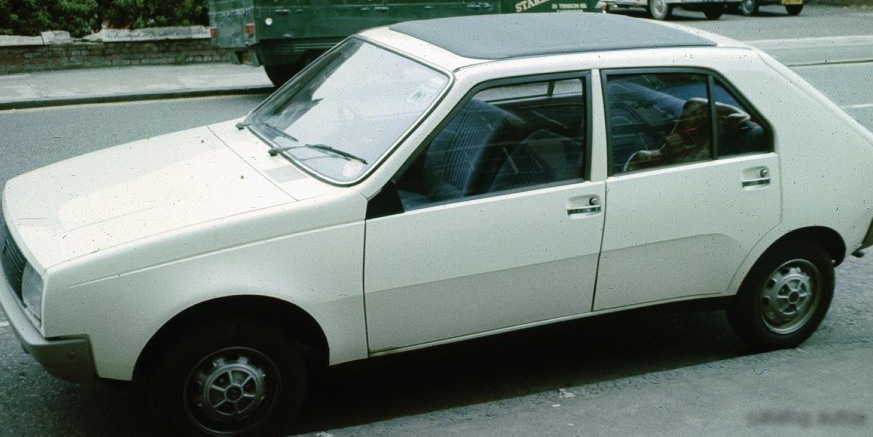
The Renault 14, specifically the 1.4-liter (1213) variant producing 60 horsepower, was a mainstay of the French automotive market from 1981 to 1983. Positioned as the entry-level model within the broader Renault 14 range, it offered affordable transportation for families and individuals. This generation, denoted as the 121 series, represented a significant update to the original R14, focusing on improved practicality and a more modern aesthetic. It was a key competitor in the small family car segment, battling rivals like the Peugeot 205 and Citroën Visa. The 1.4L engine and automatic transmission combination was relatively uncommon, making it a somewhat niche offering within the lineup.
Technical Specifications
| Brand | Renault |
| Model | 14 |
| Generation | 14 (121) |
| Type (Engine) | 1.4 (1213) (60 Hp) |
| Start of production | 1981 |
| End of production | 1983 |
| Powertrain Architecture | Internal Combustion engine |
| Body type | Hatchback |
| Seats | 5 |
| Doors | 5 |
| Fuel Type | Petrol (Gasoline) |
| Acceleration 0 – 100 km/h | 14.8 sec |
| Acceleration 0 – 62 mph | 14.8 sec |
| Acceleration 0 – 60 mph | 14.1 sec |
| Maximum speed | 145 km/h (90.1 mph) |
| Power | 60 Hp |
| Engine Model/Code | X5J |
| Engine aspiration | Naturally aspirated engine |
| Engine oil capacity | 4 l (4.23 US qt | 3.52 UK qt) |
| Coolant capacity | 6 l (6.34 US qt | 5.28 UK qt) |
| Fuel tank capacity | 48.0 l (12.68 US gal | 10.56 UK gal) |
Powertrain & Engine Architecture
The heart of this Renault 14 variant was the X5J engine, a 1.4-liter inline-four cylinder gasoline engine. This engine featured a relatively simple, yet robust design. It employed a single overhead camshaft (SOHC) valvetrain operating two valves per cylinder. Fuel delivery was managed by a single, down-draft carburetor – a common setup for vehicles of this era and price point. The carburetor, while less precise than fuel injection, contributed to the engine’s simplicity and ease of maintenance. The engine’s bore and stroke measured 76mm x 80mm, resulting in a displacement of 1397cc. The automatic transmission was a three-speed unit, offering a more convenient driving experience than the available four-speed manual, but at the cost of some performance and fuel efficiency. This automatic was not a particularly sophisticated design, relying on a hydraulic torque converter for smooth, if somewhat sluggish, gear changes.
Driving Characteristics
The 1.4L automatic Renault 14 was not known for its blistering performance. With only 60 horsepower on tap, acceleration was leisurely, taking approximately 14.8 seconds to reach 62 mph. The three-speed automatic transmission further dampened performance, with noticeable delays in downshifting and a tendency to hunt for gears on inclines. However, the car was perfectly adequate for urban driving and relaxed highway cruising. The gear ratios were optimized for fuel economy rather than outright speed. Compared to the manual transmission versions, the automatic suffered a noticeable performance penalty. The higher-output 1.6-liter engines, available in other R14 trims, offered significantly more responsive acceleration. The automatic’s primary appeal lay in its ease of use, making it a popular choice for drivers prioritizing comfort over performance.
Equipment & Trim Levels
The 1.4L automatic Renault 14 typically represented the base trim level. Standard equipment included cloth upholstery, basic instrumentation (speedometer, fuel gauge, temperature gauge), and a simple two-spoke steering wheel. The interior was functional and durable, prioritizing practicality over luxury. Optional extras included a radio, upgraded upholstery, and occasionally, a sunroof. The exterior featured steel wheels with hubcaps, black plastic bumpers, and relatively simple trim. The overall aesthetic was understated and functional, reflecting the car’s affordable positioning. The dashboard layout was straightforward, with all controls within easy reach of the driver.
Chassis & Braking
The Renault 14 utilized a relatively simple chassis design. It featured independent front suspension with MacPherson struts and a torsion beam rear suspension. The front suspension provided a comfortable ride, while the rear torsion beam kept the car stable and predictable. Braking was accomplished via disc brakes on the front wheels and drum brakes on the rear. The braking system was adequate for the car’s weight and performance, but lacked the stopping power of more modern systems. Stabilizer bars were typically omitted on the base 1.4L model, contributing to a slightly more pronounced body roll in corners. The steering was a rack-and-pinion system, providing reasonably precise control.
Market Reception & Comparison
The 1.4L automatic Renault 14 received mixed reviews. Critics generally praised its affordability and practicality, but criticized its lack of performance. The automatic transmission was often singled out for its sluggishness and inefficiency. Compared to the manual transmission versions, the automatic offered significantly worse fuel economy. The 1.6-liter models were consistently favored by reviewers for their superior performance and responsiveness. However, the 1.4L automatic found a niche among buyers who prioritized ease of use and comfort over sporty driving dynamics. It was seen as a sensible and reliable choice for everyday transportation.
Legacy
The Renault 14 1.4 automatic, while not the most sought-after variant, has proven to be surprisingly durable. The X5J engine is known for its reliability, and the three-speed automatic transmission, while simple, is relatively robust. Today, these cars are becoming increasingly rare, and well-maintained examples are gaining popularity among classic car enthusiasts. Parts availability can be a challenge, but many components are still available through specialist suppliers. The 1.4L automatic Renault 14 represents a charming and affordable entry point into the world of classic French motoring, offering a nostalgic driving experience and a glimpse into a bygone era of automotive design. Its simplicity and ease of maintenance make it an appealing option for those looking for a classic car project or a reliable weekend cruiser.
