
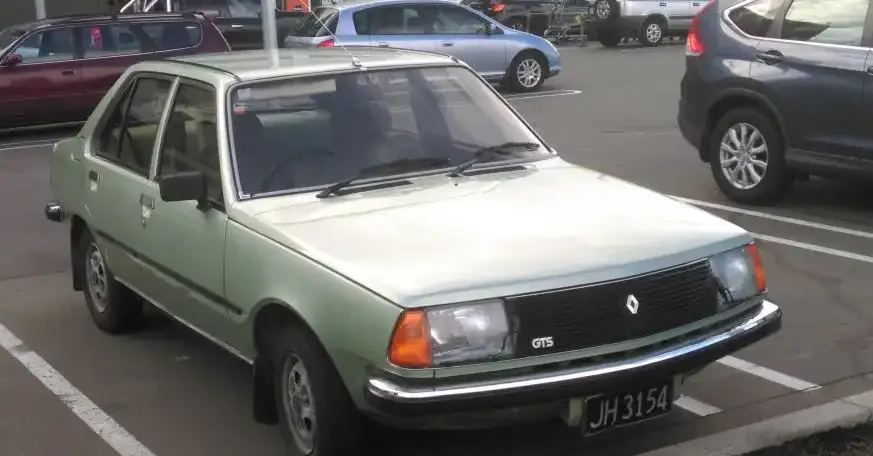
The Renault 18, produced between 1978 and 1986, represented a significant step forward for Renault in the compact family car segment. The 134 series, specifically the 1.6 TS (1342) variant with 97 horsepower, was introduced in 1982 and continued through 1986. This model occupied a mid-range position within the 18 lineup, offering a balance between performance and affordability, aimed at buyers seeking a more refined driving experience than the base models but without the expense of the top-tier trims. It was primarily marketed in Europe, and to a lesser extent, in select export markets. The Renault 18 was a key competitor to vehicles like the Ford Escort, Opel Kadett, and Peugeot 305.
Technical Specifications
| Brand | Renault |
| Model | 18 |
| Generation | 18 (134) |
| Type (Engine) | 1.6 TS (1342) (97 Hp) |
| Start of Production | 1982 |
| End of Production | 1986 |
| Powertrain Architecture | Internal Combustion Engine |
| Body Type | Sedan |
| Seats | 5 |
| Doors | 4 |
| Fuel Type | Petrol (Gasoline) |
| Power | 97 Hp |
| Engine Model/Code | 843 |
| Engine Aspiration | Naturally Aspirated |
| Engine Oil Capacity | 4.3 l (4.54 US qt | 3.78 UK qt) |
| Coolant Capacity | 6.3 l (6.66 US qt | 5.54 UK qt) |
| Fuel Tank Capacity | 53 l (14 US gal | 11.66 UK gal) |
Powertrain & Engine Architecture
The heart of the Renault 18 1.6 TS was the 843 engine, a 1.6-liter (1595 cc) inline-four cylinder gasoline engine. This engine featured a cast iron block and an aluminum cylinder head. It employed a single overhead camshaft (SOHC) valvetrain with two valves per cylinder. Fuel delivery was managed by a Bosch L-Jetronic fuel injection system, a significant upgrade over the carburetors found in earlier Renault models. This system contributed to improved fuel efficiency and smoother engine operation. The 97 horsepower output was achieved at 6000 rpm, with peak torque of approximately 132 Nm (97 lb-ft) at 4500 rpm. The engine was paired with a three-speed automatic transmission, which, while providing convenience, was often criticized for its relatively slow shift times and limited gear selection. The automatic transmission was a Renault-designed unit, not known for its robustness compared to some contemporary offerings.
Driving Characteristics
The Renault 18 1.6 TS Automatic offered a comfortable, if not particularly sporty, driving experience. The automatic transmission dulled the engine’s performance somewhat, resulting in a 0-60 mph time of around 12-13 seconds. Compared to the five-speed manual version of the 1.6 TS, the automatic suffered a noticeable performance deficit. The gear ratios were optimized for fuel economy and relaxed cruising rather than spirited acceleration. The power delivery was relatively linear, making it easy to modulate the throttle. Steering was light and precise, contributing to the car’s ease of maneuverability. However, the suspension, while comfortable, was prone to body roll during cornering. The automatic transmission did offer a smoother driving experience in city traffic compared to the manual, making it a popular choice for urban commuters.
Equipment & Trim Levels
The 1.6 TS trim level offered a reasonable level of equipment for its time. Standard features typically included cloth upholstery, a basic AM/FM radio, and a heated rear window. The dashboard featured a straightforward layout with analog gauges for speed, fuel level, coolant temperature, and a clock. Optional extras included a sunroof, upgraded stereo systems, and power windows. The interior trim was generally functional and durable, though not particularly luxurious. The 1.6 TS often featured a slightly more refined interior finish compared to the base models, with improved seat fabrics and door panel materials. The exterior styling was characterized by clean lines and a relatively understated design, typical of European cars of the era.
Chassis & Braking
The Renault 18 1.6 TS utilized a MacPherson strut front suspension and a torsion beam rear suspension. This setup provided a comfortable ride, but as mentioned previously, was susceptible to body roll. The braking system consisted of disc brakes on the front wheels and drum brakes on the rear wheels. While adequate for normal driving conditions, the rear drum brakes were a point of criticism, particularly when compared to the all-disc brake setups found on some competitors. The car’s unladen weight was approximately 1050-1100 kg (2315-2425 lbs), depending on the specific equipment installed. A stabilizer bar was fitted to the front suspension to help reduce body roll, but it wasn’t sufficient to eliminate it entirely.
Market Reception & Comparison
The Renault 18 1.6 TS Automatic was generally well-received by automotive critics as a practical and comfortable family car. However, the automatic transmission was often criticized for its sluggish performance and limited gear range. Compared to the manual version, the automatic offered less engaging driving experience. Fuel economy was reasonable for the time, averaging around 28-32 mpg in mixed driving conditions. Reliability was generally good, although the automatic transmission was known to be a potential weak point. The 1.6 TS offered a good balance between performance and affordability, positioning it as a strong competitor in the compact family car segment. It was often seen as a more refined alternative to the base models, while remaining more accessible than the higher-end trims.
Legacy
The Renault 18, and specifically the 1.6 TS Automatic variant, has become a relatively sought-after classic car among enthusiasts. While not known for exceptional performance, its reliability and affordability have made it a popular choice for restoration projects. The 843 engine is generally considered to be a durable and relatively easy-to-maintain unit. However, finding parts for the automatic transmission can be challenging. Today, well-maintained examples of the Renault 18 1.6 TS Automatic command reasonable prices in the used car market, appealing to collectors and those seeking a nostalgic driving experience. The car represents a significant era in Renault’s history, showcasing the company’s commitment to producing practical and reliable family cars.

