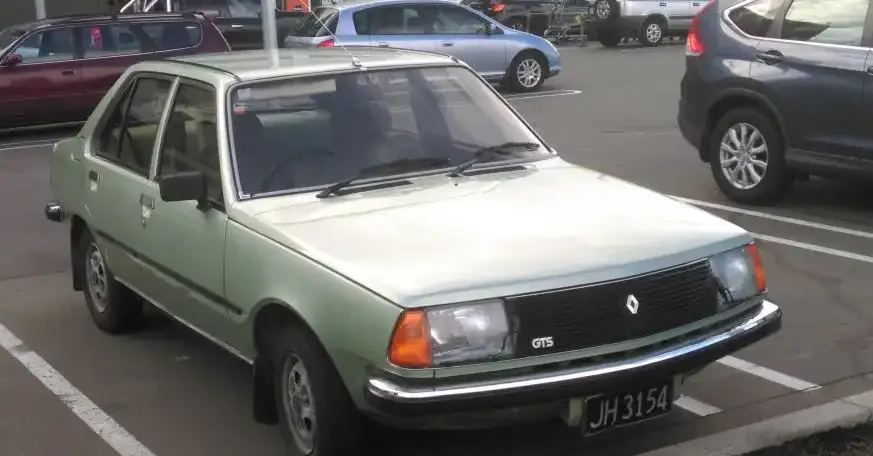
The Renault 18 Variable (135) 1.6, produced between 1982 and 1986, represents a practical and affordable offering within the broader Renault 18 range. This variant, specifically the 1351cc engine producing 73 horsepower, was primarily marketed as a family-oriented station wagon (estate) offering a balance between fuel economy and cargo capacity. It occupied the entry to mid-level position in the 18 lineup, appealing to buyers seeking a spacious and reliable vehicle without the expense of higher-performance or luxury trims. The “Variable” designation denoted the estate body style, distinguishing it from the saloon (sedan) versions.
Technical Specifications
| Brand | Renault |
| Model | 18 |
| Generation | 18 Variable (135) |
| Type (Engine) | 1.6 (1351) (73 Hp) |
| Start of production | 1982 |
| End of production | 1986 |
| Powertrain Architecture | Internal Combustion engine |
| Body type | Station wagon (estate) |
| Seats | 5 |
| Doors | 5 |
| Fuel consumption (urban) | 8.7 l/100 km (27 US mpg, 32.5 UK mpg, 11.5 km/l) |
| Fuel consumption (extra urban) | 5.1 l/100 km (46.1 US mpg, 55.4 UK mpg, 19.6 km/l) |
| Fuel Type | Petrol (Gasoline) |
| Maximum speed | 159 km/h (98.8 mph) |
| Power | 73 Hp |
| Engine Model/Code | 843 |
| Engine aspiration | Naturally aspirated engine |
| Engine oil capacity | 4.3 l (4.54 US qt, 3.78 UK qt) |
| Coolant capacity | 6.3 l (6.66 US qt, 5.54 UK qt) |
| Fuel tank capacity | 57 l (15.06 US gal, 12.54 UK gal) |
Powertrain & Engine Architecture
The Renault 18 Variable (135) 1.6 utilized the Renault 843 engine, a 1.6-liter (1351 cc) inline-four cylinder petrol engine. This engine was a relatively simple design, featuring a single overhead camshaft (SOHC) operating two valves per cylinder. Fuel delivery was managed by a Solex carburetor, a common setup for vehicles of this era. The 843 engine was known for its durability and ease of maintenance, though it wasn’t particularly powerful. The engine produced 73 horsepower at approximately 5,300 rpm and 98 lb-ft of torque at 3,000 rpm. The engine was paired with a four-speed automatic transmission, which was a relatively uncommon option for this model in Europe, where manual transmissions were far more prevalent. The automatic transmission was designed for smooth, comfortable operation rather than sporty performance.
Driving Characteristics
The 1.6-liter engine and automatic transmission combination in the Renault 18 Variable resulted in a driving experience focused on practicality and ease of use. Acceleration was modest, with a 0-60 mph time estimated around 14-15 seconds. The automatic transmission featured relatively widely spaced gear ratios, prioritizing fuel economy over rapid acceleration. The car felt most comfortable cruising at highway speeds, where the engine operated within its optimal range. Compared to the manual transmission versions of the Renault 18, the automatic offered less driver engagement and slightly reduced fuel efficiency. However, it provided a more relaxed driving experience, particularly in urban traffic. Compared to the more powerful Renault 18 models (like those with the 1.4 or 2.0-liter engines), the 1.6 automatic was noticeably slower, but it offered a lower purchase price and reduced running costs.
Equipment & Trim Levels
The Renault 18 Variable (135) 1.6 typically came equipped with basic, but functional features. Standard equipment included cloth upholstery, a basic instrument cluster, and manually operated windows and door locks. The interior was designed with practicality in mind, offering ample space for passengers and cargo. Optional extras included a sunroof, upgraded audio system, and more comfortable seating. The trim level was generally considered entry-level to mid-range within the Renault 18 lineup. The focus was on providing a comfortable and reliable family vehicle at an affordable price point. The exterior typically featured steel wheels with hubcaps, though alloy wheels were available as an option.
Chassis & Braking
The Renault 18 Variable featured a MacPherson strut front suspension and a torsion beam rear suspension. This setup provided a comfortable ride, though it wasn’t particularly sporty. The front brakes were disc brakes, while the rear brakes were typically drum brakes, a cost-saving measure common in this class of vehicle. Steering was rack and pinion, providing reasonably precise handling. The suspension was tuned for comfort and stability, rather than aggressive cornering. Stabilizer bars were often included, but their thickness varied depending on the specific market and trim level.
Market Reception & Comparison
The Renault 18 Variable (135) 1.6 was generally well-received as a practical and affordable family car. Critics praised its spacious interior, comfortable ride, and fuel efficiency. However, the engine’s lack of power and the automatic transmission’s somewhat sluggish performance were often noted as drawbacks. Compared to competitors like the Peugeot 305 Estate and the Citroën BX Estate, the Renault 18 offered a similar level of practicality and affordability. Fuel economy was competitive for the time, and the Renault 18 was generally considered a reliable vehicle. The automatic transmission version, while less common, appealed to buyers who prioritized convenience over performance.
Legacy
The Renault 18, and specifically the 1.6-liter engine, has a reputation for being a durable and relatively easy-to-maintain vehicle. While not particularly collectible, well-maintained examples of the Renault 18 Variable (135) 1.6 can still be found on the used car market today. The 843 engine is known for its longevity, and parts availability is generally good, though some components may be becoming increasingly difficult to source. The automatic transmission, while not as robust as some later designs, is generally reliable if properly maintained. The Renault 18 remains a popular choice for classic car enthusiasts seeking an affordable and practical vintage vehicle.