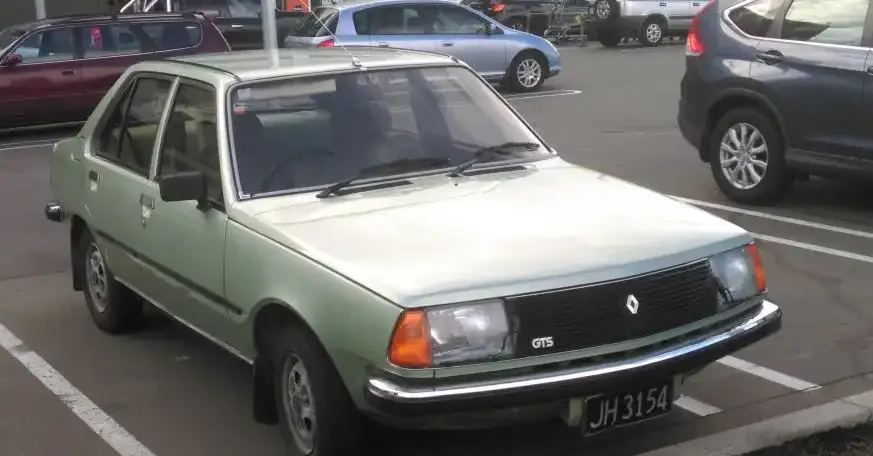
The Renault 18 Variable (135) 1.6 4×4, produced between 1983 and 1986, represents a unique offering within the broader Renault 18 range. Positioned as a practical and capable estate car, the “Variable” designation denoted the station wagon body style, while the “135” internally identified this specific 4×4 variant. This model aimed to provide a blend of family-friendly space, all-wheel drive capability for improved traction, and a relatively economical engine, catering to buyers needing a versatile vehicle for both daily commuting and occasional off-pavement use. It was a relatively niche model, particularly the 4×4 version, within the European market.
Technical Specifications
| Brand | Renault |
| Model | 18 |
| Generation | 18 Variable (135) |
| Type (Engine) | 1.6 (72 Hp) 4×4 |
| Start of Production | 1983 |
| End of Production | 1986 |
| Powertrain Architecture | Internal Combustion Engine |
| Body Type | Station Wagon (Estate) |
| Fuel Type | Petrol (Gasoline) |
| Power | 72 Hp |
| Engine Model/Code | 843 |
| Engine Aspiration | Naturally Aspirated |
| Engine Oil Capacity | 4.3 l (4.54 US qt | 3.78 UK qt) |
| Coolant Capacity | 6.3 l (6.66 US qt | 5.54 UK qt) |
| Fuel Tank Capacity | 57 l (15.06 US gal | 12.54 UK gal) |
Powertrain & Engine Architecture
The Renault 18 Variable 1.6 4×4 was powered by the Renault 843 engine, a 1.6-liter inline-four cylinder gasoline engine. This engine was a relatively simple, overhead valve (OHV) design, utilizing a single camshaft in the block to actuate the valves. It featured a two-barrel carburetor for fuel delivery, a common setup for European cars of this era aiming for a balance between cost and performance. The 843 engine produced 72 horsepower (metric) at approximately 5,500 rpm and around 118 Nm (87 lb-ft) of torque at 3,000 rpm. The engine’s design prioritized reliability and fuel economy over outright power. The 4×4 system employed a viscous coupling to distribute torque between the front and rear axles, providing automatic all-wheel drive engagement when slip was detected. The transmission was a four-speed manual, as an automatic transmission wasn’t offered with the 4×4 variant.
Driving Characteristics
The driving experience of the Renault 18 Variable 1.6 4×4 was characterized by its practicality and sure-footedness. The 72 horsepower engine, while not particularly powerful, provided adequate performance for everyday driving, especially considering the vehicle’s weight. Acceleration was modest, and overtaking required careful planning. The four-speed manual transmission offered a reasonable spread of gears, but the engine lacked the low-end torque to make it feel particularly lively. The all-wheel drive system significantly improved traction on slippery surfaces, making it a capable vehicle in inclement weather or on unpaved roads. However, the viscous coupling system wasn’t as sophisticated as modern all-wheel drive systems, and the rear-wheel drive engagement wasn’t always immediate. The suspension, while comfortable, was tuned more for ride quality than sporty handling. Steering was relatively light and easy, making it maneuverable in urban environments.
Equipment & Trim Levels
The Renault 18 Variable 135 4×4 was generally equipped with a fairly basic level of trim, reflecting its position as a practical, rather than luxurious, vehicle. Standard features typically included cloth upholstery, a basic instrument cluster with speedometer, fuel gauge, and temperature gauge, and manually operated windows and door locks. The interior was functional and durable, designed to withstand the rigors of family use. Optional extras could include a sunroof, upgraded stereo system, and rear window wiper. The exterior trim was relatively simple, with black plastic bumpers and side moldings. The “Variable” estate body style offered a generous amount of cargo space, making it ideal for families or those needing to transport large items.
Chassis & Braking
The Renault 18 Variable 1.6 4×4 utilized a relatively conventional chassis design, with a MacPherson strut front suspension and a torsion beam rear suspension. The torsion beam rear suspension was a cost-effective solution that provided adequate ride comfort and handling characteristics. Braking was accomplished via disc brakes on the front wheels and drum brakes on the rear wheels. The braking system was adequate for the vehicle’s weight and performance, but lacked the stopping power of more modern systems. The 4×4 system added some weight to the vehicle, which slightly impacted handling and braking performance. The steering was a rack-and-pinion system, providing reasonably precise steering feel.
Market Reception & Comparison
The Renault 18 Variable 1.6 4×4 received mixed reviews from automotive critics. It was praised for its practicality, spaciousness, and all-wheel drive capability, but criticized for its relatively low power output and basic interior. Compared to other estate cars of the era, such as the Volvo 240 or the Ford Sierra Estate, the Renault 18 offered a more affordable entry point, but lacked the refinement and performance of its competitors. Within the Renault 18 lineup, the 1.6 4×4 was positioned as a more rugged and versatile alternative to the standard 1.4 and 1.6 liter two-wheel drive models. Fuel economy was reasonable for the time, averaging around 30-35 mpg in mixed driving conditions. Reliability was generally good, although the carburetor required periodic maintenance and adjustment.
Legacy
The Renault 18 Variable 1.6 4×4, while not a particularly common model, has developed a small but dedicated following among classic car enthusiasts. The 843 engine is known for its durability and relative simplicity, making it relatively easy to maintain and repair. The all-wheel drive system provides a unique appeal, offering a taste of off-road capability in a classic European estate car. Today, these vehicles are relatively affordable to purchase, but finding well-maintained examples can be challenging. Parts availability is becoming increasingly limited, but many components are still available through specialist suppliers. The Renault 18 Variable 1.6 4×4 represents a unique and interesting chapter in Renault’s history, offering a blend of practicality, versatility, and all-wheel drive capability that was relatively uncommon in its time.