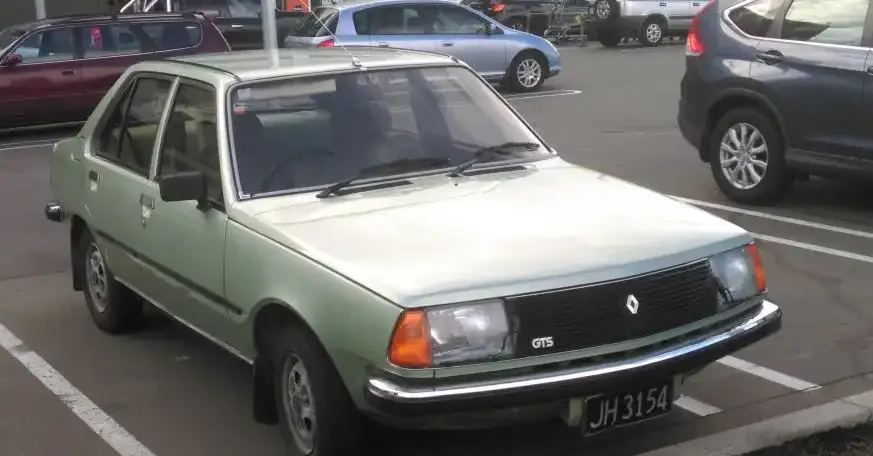
The Renault 18 Variable (135) 1.6 Turbo, produced between 1982 and 1986, represented a performance-oriented variant within the broader Renault 18 range. Specifically offered as a station wagon (estate) body style, this model aimed to provide a blend of practicality and spirited driving, appealing to buyers seeking more than the standard family car. It occupied a mid-to-upper position in the 18 lineup, offering a significant power upgrade over the base models while remaining more accessible than potential future high-performance iterations. The “Variable” designation denoted a higher trim level, typically including more features and refined interior appointments. This model was primarily marketed in Europe, where the station wagon body style was particularly popular.
Technical Specifications
| Brand | Renault |
| Model | 18 |
| Generation | 18 Variable (135) |
| Type (Engine) | 1.6 Turbo (125 Hp) |
| Start of Production | 1982 |
| End of Production | 1986 |
| Powertrain Architecture | Internal Combustion Engine |
| Body Type | Station Wagon (Estate) |
| Fuel Type | Petrol (Gasoline) |
| Power | 125 Hp |
| Engine Model/Code | A5L 807-17 |
| Engine Aspiration | Turbocharger |
| Engine Oil Capacity | 4.3 l (4.54 US qt | 3.78 UK qt) |
| Coolant Capacity | 6.3 l (6.66 US qt | 5.54 UK qt) |
| Fuel Tank Capacity | 57 l (15.06 US gal | 12.54 UK gal) |
Powertrain & Engine Architecture
The heart of the Renault 18 Variable (135) was the A5L 807-17 1.6-liter inline-four cylinder engine, significantly enhanced by a turbocharger. This engine represented a substantial upgrade from the naturally aspirated 1.4 and 1.6-liter engines available in other 18 models. The turbocharger, a Garrett unit, boosted power output to 125 horsepower, a considerable figure for a family car of that era. The engine utilized a Bosch K-Jetronic fuel injection system, a mechanical system known for its reliability and precise fuel delivery. The valvetrain employed a single overhead camshaft (SOHC) design, operating two valves per cylinder. The turbocharger’s integration necessitated a lower compression ratio than the naturally aspirated versions to prevent pre-ignition. While specific transmission options varied by market, the 18 Variable (135) was often paired with a four-speed automatic transmission, though a five-speed manual was also available. The automatic transmission was designed to handle the increased torque output from the turbocharged engine, though it wasn’t always known for its particularly quick shifts.
Driving Characteristics
The 1.6 Turbo engine transformed the driving experience of the Renault 18. Compared to the standard models, the Variable (135) offered noticeably quicker acceleration and improved highway cruising ability. The turbocharger provided a surge of power in the mid-range, making overtaking maneuvers considerably easier. However, the turbocharger also introduced a degree of turbo lag, meaning there was a slight delay between pressing the accelerator and feeling the full power delivery. The automatic transmission, while convenient, did detract somewhat from the sporty feel, as it didn’t allow for the same level of driver control as the manual gearbox. Gear ratios were tuned for a balance between acceleration and fuel economy, prioritizing usability over outright performance. The suspension, while generally comfortable, could feel slightly overwhelmed when pushed hard through corners, exhibiting a degree of body roll. Overall, the driving experience was one of refined performance, suitable for both daily commuting and longer journeys.
Equipment & Trim Levels
The “Variable” trim level signified a higher level of equipment compared to the base Renault 18 models. Standard features typically included upgraded interior upholstery (often featuring velour or a higher-quality cloth), a more comprehensive instrument cluster, and additional exterior trim elements. Power steering was often standard, and features like central locking and electric windows were frequently included. Optional extras could include a sunroof, upgraded audio systems, and alloy wheels. The interior dashboard configuration was generally similar to other 18 models, but the Variable trim often featured woodgrain accents and more refined detailing. The station wagon body style itself provided a generous amount of cargo space, making it a practical choice for families or those needing to transport larger items.
Chassis & Braking
The Renault 18 utilized a relatively conventional chassis design for the early 1980s, featuring a front MacPherson strut suspension and a rear twist-beam axle. The suspension was tuned for a comfortable ride, prioritizing smoothness over outright handling precision. Braking systems varied depending on the market and specific year of production. Earlier models often featured front disc brakes and rear drum brakes, while later models sometimes incorporated rear disc brakes for improved stopping power. The braking system was generally adequate for the car’s performance, but it lacked the sophistication of more modern systems. Stabilizer bars were fitted to both the front and rear axles to reduce body roll during cornering, though their effectiveness was limited by the overall suspension design. The steering was a rack-and-pinion system, providing reasonably precise control.
Market Reception & Comparison
The Renault 18 Variable (135) 1.6 Turbo was generally well-received by automotive critics. It was praised for its strong performance, comfortable ride, and practical station wagon body style. However, some critics noted the turbo lag and the less-than-sporty feel of the automatic transmission. Compared to other turbocharged cars of the era, the 18 Turbo offered a more affordable and accessible entry point into forced induction. In terms of fuel economy, the 1.6 Turbo was less efficient than the naturally aspirated models, but the performance gains were considered worthwhile by many buyers. Reliability was generally good, although the turbocharger and fuel injection system required more careful maintenance than simpler engines. Compared to the standard 1.8 liter models, the 1.6 Turbo offered a significant performance advantage, but at a slightly higher price point.
Legacy
The Renault 18 Variable (135) 1.6 Turbo holds a respectable position among classic Renault enthusiasts. The A5L engine, while not without its quirks, is considered a robust and capable unit when properly maintained. The turbocharger adds a layer of complexity, requiring regular checks and occasional rebuilds. Today, finding a well-preserved example can be challenging, as many have succumbed to rust or neglect. However, the 18 Turbo remains a popular choice for those seeking a classic European station wagon with a bit of extra performance. Parts availability can be limited, but a dedicated network of Renault enthusiasts and specialist suppliers exists to support owners. The car represents a significant step forward in Renault’s engineering capabilities, showcasing their ability to produce a relatively affordable and enjoyable turbocharged vehicle.