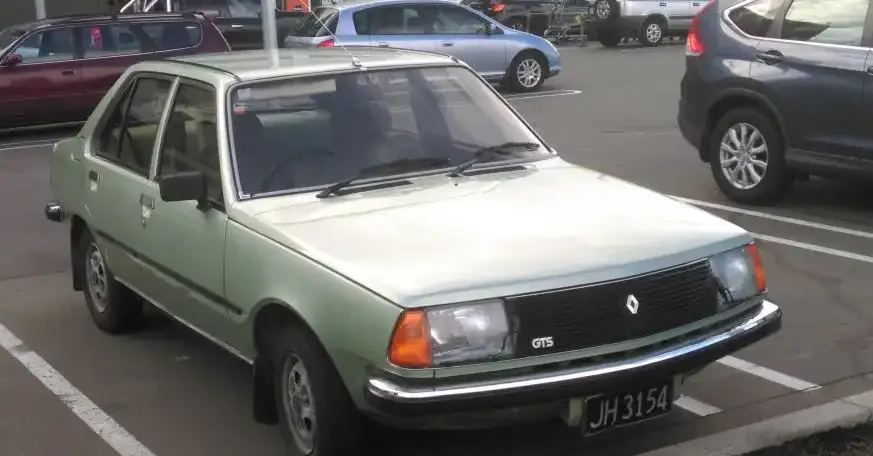
The Renault 18 Variable (135) 2.1 Diesel, produced between 1980 and 1986, represents a practical and economical variant within the broader Renault 18 range. Positioned as a station wagon (estate) body style, it catered to buyers needing a versatile vehicle for family or commercial use. This particular model, designated ‘135’ internally, featured a 2.1-liter diesel engine producing 67 horsepower. It was a key offering in markets where diesel fuel was readily available and valued for its fuel efficiency, particularly in Europe. The Renault 18 itself was a significant model for Renault, replacing the Renault 12 and offering a more modern and spacious alternative.
Technical Specifications
| Brand | Renault |
| Model | 18 |
| Generation | 18 Variable (135) |
| Type (Engine) | 2.1 Diesel (1354) (67 Hp) |
| Start of production | 1980 |
| End of production | 1986 |
| Powertrain Architecture | Internal Combustion engine |
| Body type | Station wagon (estate) |
| Seats | 5 |
| Doors | 5 |
| Fuel consumption (urban) | 8.5 l/100 km (27.7 US mpg, 33.2 UK mpg, 11.8 km/l) |
| Fuel consumption (extra urban) | 5.5 l/100 km (42.8 US mpg, 51.4 UK mpg, 18.2 km/l) |
| Fuel Type | Diesel |
| Maximum speed | 148 km/h (91.96 mph) |
| Power | 67 Hp @ 4300 rpm |
| Power per litre | 32.4 Hp/l |
| Torque | 130 Nm (95.88 lb.-ft.) |
| Engine layout | Front, Longitudinal |
| Engine Model/Code | J8S 852-10 |
| Engine displacement | 2068 cm3 (126.2 cu. in.) |
| Number of cylinders | 4 |
| Engine configuration | Inline |
| Compression ratio | 21:1 |
| Number of valves per cylinder | 2 |
| Fuel injection system | Precombustion chamber injection |
| Engine oil capacity | 6.3 l (6.66 US qt | 5.54 UK qt) |
| Coolant capacity | 8.5 l (8.98 US qt | 7.48 UK qt) |
| Fuel tank capacity | 57 l (15.06 US gal | 12.54 UK gal) |
| Length | 4520 mm (177.95 in.) |
| Drivetrain Architecture | The Internal combustion engine (ICE) drives the front wheels of the vehicle. |
| Drive wheel | Front wheel drive |
| Number of gears and type of gearbox | 5 gears, manual transmission |
| Front suspension | Double wishbone |
| Rear suspension | Rigid axle suspension |
| Front brakes | Disc |
| Rear brakes | Drum |
| Steering type | Steering rack and pinion |
| Power steering | Hydraulic Steering |
| Tires size | 175/70 R13 |
| Wheel rims size | 13 |
Powertrain & Engine Architecture
The heart of the Renault 18 Variable (135) 2.1 Diesel is the J8S 852-10 engine, a 2.1-liter inline-four cylinder diesel. This engine utilized a precombustion chamber injection system, a common technology for diesel engines of the era. This system involved injecting fuel into a small precombustion chamber within the cylinder head, where it ignited and then ignited the main charge in the cylinder. This design aided in cold starting and reduced engine noise compared to direct injection systems. The engine featured a relatively low compression ratio of 21:1, contributing to its durability. The engine produced 67 horsepower at 4300 rpm and 130 Nm (95.88 lb.-ft.) of torque. The five-speed manual transmission was the only gearbox option available with this engine, providing a reasonable spread of gears for both urban and highway driving.
Driving Characteristics
The 2.1-liter diesel engine in the Renault 18 Variable (135) prioritized fuel economy and durability over outright performance. Acceleration was modest, with a top speed of approximately 148 km/h (91.96 mph). The engine’s torque characteristics meant that it offered reasonable pulling power at lower engine speeds, making it suitable for carrying loads or navigating hilly terrain. Compared to the gasoline-powered Renault 18 variants, the diesel offered significantly better fuel economy, but at the expense of responsiveness. The five-speed manual transmission allowed drivers to keep the engine in its optimal power band, but the overall driving experience was geared towards practicality rather than sporty handling.
Equipment & Trim Levels
The Renault 18 Variable (135) 2.1 Diesel was generally equipped with a functional, rather than luxurious, level of trim. Standard features typically included basic cloth upholstery, a simple dashboard layout, and manual windows and door locks. The focus was on providing a durable and reliable vehicle at an affordable price point. Optional extras could include upgraded upholstery, a radio, and potentially a sunroof, depending on the market. The ‘Variable’ designation indicated the station wagon body style, offering increased cargo capacity compared to the saloon (sedan) version.
Chassis & Braking
The Renault 18 Variable (135) utilized a front-engine, front-wheel-drive layout. The front suspension employed a double wishbone design, providing a reasonable level of ride comfort and handling. The rear suspension featured a rigid axle, a cost-effective and durable solution commonly used in vehicles of this era. Braking was accomplished via disc brakes on the front wheels and drum brakes on the rear. Hydraulic power steering was standard, making the vehicle easier to maneuver at low speeds. The tires were typically 175/70 R13, mounted on 13-inch steel wheels.
Market Reception & Comparison
The Renault 18 Variable (135) 2.1 Diesel was well-received in markets where diesel fuel was affordable and readily available, particularly in Europe. It was praised for its fuel efficiency and practicality, making it a popular choice for families and commercial users. Compared to the gasoline-powered Renault 18 variants, the diesel offered superior fuel economy but less performance. It also tended to be slightly more expensive to purchase initially. Against competitors like the Peugeot 505 Estate and the Citroën BX Estate, the Renault 18 offered a competitive combination of price, fuel economy, and practicality.
Legacy
The Renault 18, and specifically the 2.1 Diesel variant, has earned a reputation for durability and reliability. The engine, while not particularly powerful, is known for its longevity if properly maintained. Today, the Renault 18 Variable (135) 2.1 Diesel is a relatively rare sight on the roads, but it remains a popular choice among classic car enthusiasts who appreciate its simplicity and practicality. Parts availability can be a challenge, but many components are still obtainable. The vehicle represents a significant era in automotive history, showcasing the growing popularity of diesel engines and the demand for versatile family vehicles.