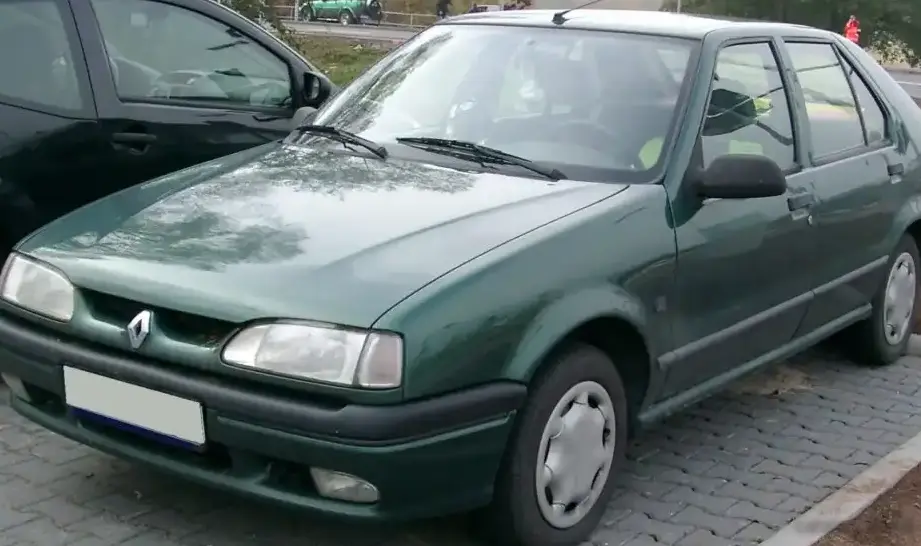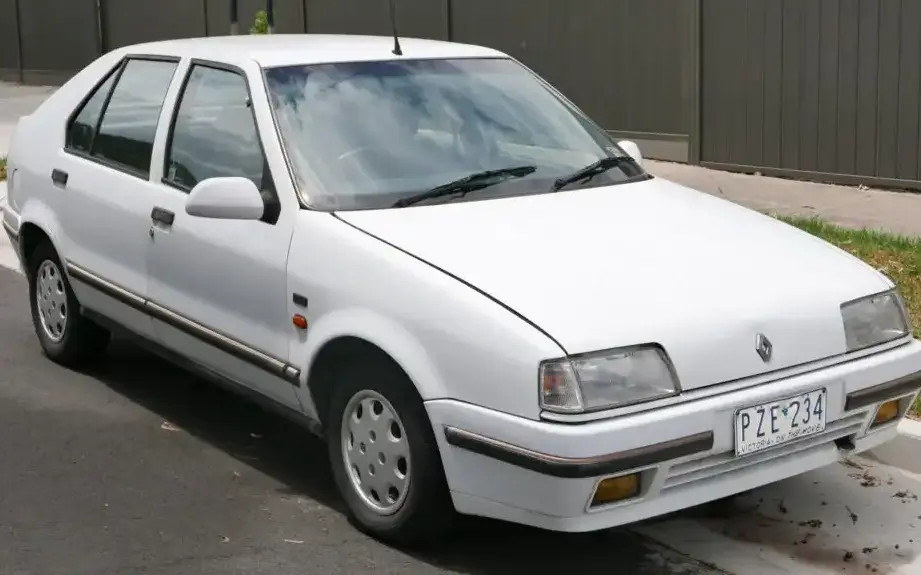
The Renault 19 I (B/C53), specifically the 1.4-liter (B/C53P) variant producing 60 horsepower, represents the entry point into the first generation of the popular Renault 19 compact hatchback. Introduced in 1989, this model served as a crucial volume seller for Renault, particularly in European markets, offering affordable and practical transportation. The B/C53 generation of the Renault 19 was produced from 1988 to 1992, with the 1.4L engine being a mainstay throughout much of its production run. This variant was designed to appeal to budget-conscious buyers and those prioritizing fuel efficiency over outright performance.
Technical Specifications
| Brand | Renault |
| Model | 19 |
| Generation | 19 I (B/C53) |
| Type (Engine) | 1.4 (B/C53P) (60 Hp) |
| Start of production | 1989 |
| End of production | 1989 |
| Powertrain Architecture | Internal Combustion engine |
| Body type | Hatchback |
| Seats | 5 |
| Doors | 3-5 |
| Fuel Type | Petrol (Gasoline) |
| Power | 60 Hp |
| Engine Model/Code | C1J |
| Engine aspiration | Naturally aspirated engine |
| Engine oil capacity | 3.5 l (3.7 US qt | 3.08 UK qt) |
| Coolant capacity | 5.4 l (5.71 US qt | 4.75 UK qt) |
| Fuel tank capacity | 55 l (14.53 US gal | 12.1 UK gal) |
Powertrain & Engine Architecture
The heart of the Renault 19 1.4 is the C1J engine, an 1397cc inline-four cylinder gasoline engine. This engine is a relatively simple design, utilizing a single overhead camshaft (SOHC) valvetrain with two valves per cylinder. Fuel delivery is managed by a single-point fuel injection system, a common feature for vehicles of this era aiming for cost-effectiveness. While not as sophisticated as multi-point injection, it offered improvements over carbureted systems in terms of fuel efficiency and emissions. The engine’s modest 60 horsepower output at approximately 5,200 rpm and 86 lb-ft of torque at 3,000 rpm were geared towards providing adequate, rather than exhilarating, performance. The engine block is cast iron, contributing to its durability, while the cylinder head is aluminum. The transmission paired with this engine was typically a four-speed manual, but a three-speed automatic transmission was also available, though less common. The automatic transmission was a Jatco unit, known for its reliability but also for its relatively slow shift times and tendency to reduce fuel economy.
Driving Characteristics
The Renault 19 1.4, particularly in automatic guise, was not designed for sporty driving. Acceleration was leisurely, with 0-60 mph times estimated around 14-16 seconds. The three-speed automatic transmission further dampened performance, with noticeable gaps between gears. However, the engine proved to be reasonably flexible, offering sufficient power for everyday driving situations, such as commuting and city driving. The gear ratios were optimized for fuel economy rather than rapid acceleration. The automatic transmission, while convenient, did detract from the overall driving experience, making the car feel sluggish compared to the manual transmission versions. The manual transmission offered a more engaging driving experience and slightly improved fuel economy and acceleration.
Equipment & Trim Levels
The 1.4-liter Renault 19 typically represented the base trim level, often simply referred to as the “RN” or “L” trim. Standard equipment was fairly basic, including cloth upholstery, a simple dashboard layout, and manual windows and door locks. Power steering was often an optional extra, as was air conditioning. The interior was functional and durable, prioritizing practicality over luxury. Optional extras included a radio/cassette player, upgraded seat fabrics, and central locking. Higher trim levels, such as the “TL” and “GSi,” offered more luxurious features, including upgraded interiors, alloy wheels, and more powerful engines.
Chassis & Braking
The Renault 19 I utilized a MacPherson strut front suspension and a torsion beam rear suspension. This setup provided a comfortable ride, although handling was not particularly sharp. The torsion beam rear suspension was a cost-effective solution, but it limited the car’s cornering ability. Braking was typically accomplished with disc brakes on the front wheels and drum brakes on the rear wheels. The braking system was adequate for the car’s performance, but it lacked the stopping power of more modern vehicles. Stabilizer bars were often omitted on the base 1.4L model to further reduce cost.
Market Reception & Comparison
The Renault 19 1.4 was generally well-received as an affordable and reliable small family car. Critics praised its fuel efficiency and practicality, but noted its lack of performance. Compared to its rivals, such as the Peugeot 205 and the Citroën AX, the Renault 19 offered a more spacious interior and a more comfortable ride. However, it was often criticized for its bland styling and uninspiring driving dynamics. The 1.4L engine offered better fuel economy than the larger 1.7L and 2.0L engines available in the Renault 19 lineup, but at the expense of performance. The automatic transmission version was particularly popular with drivers who prioritized convenience over driving enjoyment.
Legacy
The Renault 19, and specifically the 1.4L variant, established a strong reputation for reliability and affordability. The C1J engine proved to be a durable unit, capable of withstanding years of use with proper maintenance. Today, the Renault 19 1.4 is a relatively common sight in the used car market, often appealing to those seeking a cheap and practical classic car. While not a particularly collectible model, it remains a popular choice for those looking for a simple and reliable vehicle. Parts availability is generally good, and maintenance costs are relatively low. The automatic transmission, while not known for its performance, has proven to be reasonably durable, although regular fluid changes are essential to ensure its longevity. The Renault 19 1.4 represents a significant chapter in Renault’s history, embodying the company’s commitment to providing affordable and practical transportation to the masses.