
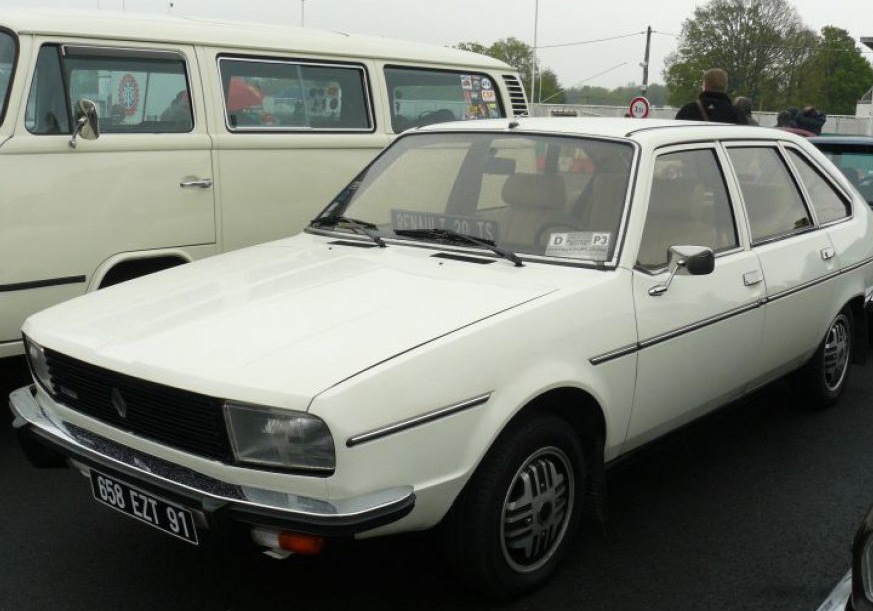
The Renault 20 (127) 2.1 Diesel, produced between 1980 and 1983, represented a practical and economical offering within the broader Renault 20 range. Positioned as the entry-level diesel variant, it catered to buyers prioritizing fuel efficiency and durability over outright performance. This model, designated internally as 1276, was part of the first generation of the Renault 20, a car that aimed to provide a comfortable and spacious family vehicle in the compact class. The 20 was Renault’s response to competitors like the Peugeot 505 and Citroën CX, offering a more modern alternative to older designs.
Technical Specifications
| Brand | Renault |
| Model | 20 |
| Generation | 20 (127) |
| Type (Engine) | 2.1 Diesel (1276) (64 Hp) |
| Start of production | 1980 |
| End of production | 1983 |
| Powertrain Architecture | Internal Combustion engine |
| Body type | Hatchback |
| Seats | 5 |
| Doors | 5 |
| Fuel Type | Diesel |
| Acceleration 0 – 100 km/h | 20.8 sec |
| Acceleration 0 – 62 mph | 20.8 sec |
| Acceleration 0 – 60 mph | 19.8 sec |
| Maximum speed | 148 km/h (91.96 mph) |
| Power | 64 Hp |
| Engine Model/Code | J8S-852 |
| Engine aspiration | Naturally aspirated engine |
| Engine oil capacity | 5.3 l (5.6 US qt | 4.66 UK qt) |
| Coolant capacity | 8.4 l (8.88 US qt | 7.39 UK qt) |
| Fuel tank capacity | 67 l (17.7 US gal | 14.74 UK gal) |
Powertrain & Engine Architecture
The Renault 20 2.1 Diesel was powered by the J8S-852 engine, a 2.1-liter inline-four diesel. This engine was a relatively simple, naturally aspirated design, prioritizing robustness and fuel economy. It featured indirect injection, a common characteristic of diesel engines of that era, utilizing a pre-chamber combustion system. This system involved a small auxiliary combustion chamber where fuel was initially injected and ignited, then transferred to the main cylinder for complete combustion. The engine employed a cast iron block and cylinder head, contributing to its durability. The valve train consisted of a single overhead camshaft operating two valves per cylinder. While not a high-performance engine, the J8S-852 was known for its reliability and relatively smooth operation for a diesel of its time. The transmission paired with this engine was a four-speed manual, designed to maximize fuel efficiency and provide adequate, if not exhilarating, acceleration.
Driving Characteristics
The driving experience in the Renault 20 2.1 Diesel was defined by its modest power output. With only 64 horsepower, acceleration was slow, taking approximately 20.8 seconds to reach 62 mph. The four-speed manual transmission required careful gear selection to maintain momentum, particularly when climbing hills or overtaking. The gear ratios were optimized for fuel economy rather than performance. The engine produced a usable amount of torque at low RPMs, making it suitable for everyday driving, but lacked the responsiveness of gasoline-powered alternatives. The car’s relatively light weight helped to mitigate the effects of the low horsepower, but it was undeniably a leisurely driving experience. Compared to the gasoline-powered Renault 20 models, the diesel offered significantly lower fuel consumption but at the expense of performance and refinement.
Equipment & Trim Levels
The 2.1 Diesel variant of the Renault 20 typically represented the base trim level. Standard equipment included cloth upholstery, basic instrumentation (speedometer, fuel gauge, temperature gauge), and a simple two-spoke steering wheel. The interior was functional and durable, prioritizing practicality over luxury. Optional extras included a radio, upgraded upholstery, and occasionally, a sunroof. The exterior trim was minimal, with black plastic bumpers and relatively simple steel wheels with hubcaps. The focus was on providing a no-frills, affordable vehicle. The dashboard layout was straightforward, with easily accessible controls for the heating, ventilation, and lighting systems.
Chassis & Braking
The Renault 20 featured an independent front suspension with MacPherson struts and a torsion beam rear suspension. This setup provided a reasonable level of ride comfort, although it wasn’t particularly sporty. The steering was a rack-and-pinion system, offering acceptable precision. Braking was accomplished via disc brakes on the front wheels and drum brakes on the rear. The braking system was adequate for the car’s weight and performance, but lacked the stopping power of more modern systems. Stabilizer bars were typically fitted to the front suspension to reduce body roll during cornering. The chassis was designed to provide a balance between comfort and handling, leaning towards the former given the car’s intended purpose.
Market Reception & Comparison
The Renault 20 2.1 Diesel was generally well-received in the European market as a practical and economical family car. Critics praised its fuel efficiency and durability, but noted its lack of performance. Compared to the gasoline-powered Renault 20 models, the diesel offered significantly better fuel economy, making it a popular choice for high-mileage drivers. However, the gasoline engines provided a more refined and enjoyable driving experience. The diesel variant also competed with other diesel-powered cars in its class, such as the Peugeot 505 Diesel and Citroën CX Diesel. The Renault 20 Diesel often offered a more competitive price point, making it an attractive option for budget-conscious buyers. Reliability was generally good, although maintenance costs could be higher due to the complexity of diesel engines.
Legacy
The Renault 20 2.1 Diesel, while not a particularly exciting vehicle, played an important role in establishing Renault as a manufacturer of practical and reliable family cars. The J8S-852 engine proved to be a durable and long-lasting powerplant, and many examples remain on the road today. In the used car market, these models are often sought after by enthusiasts looking for a classic diesel vehicle. While parts availability can be a challenge, the engine’s simplicity makes it relatively easy to maintain. The Renault 20 2.1 Diesel represents a snapshot of automotive engineering from the early 1980s, prioritizing fuel efficiency and durability over outright performance. It remains a testament to Renault’s commitment to providing affordable and practical transportation.
