
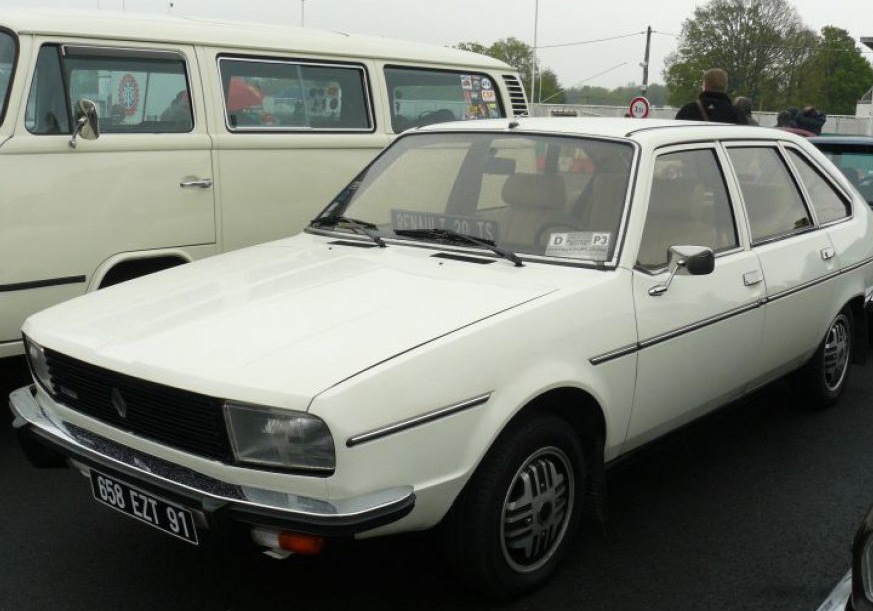
The Renault 20 (127) 2.1 TD, produced briefly between 1982 and 1983, represents a unique offering within the broader Renault 20 range. Positioned as a diesel-powered variant, it aimed to provide fuel economy and practicality to buyers seeking a larger family hatchback. This model occupied a niche within the 127 series, offering a distinct alternative to the gasoline-powered engines available. While the Renault 20 was generally well-received in Europe for its spaciousness and comfort, the 2.1 TD was a relatively short-lived experiment, reflecting the evolving diesel technology of the early 1980s and the market’s demand for more refined options.
Technical Specifications
| Brand | Renault |
| Model | 20 (127) |
| Type (Engine) | 2.1 TD (86 Hp) |
| Start of production | 1982 |
| End of production | 1983 |
| Powertrain Architecture | Internal Combustion engine |
| Body type | Hatchback |
| Seats | 5 |
| Doors | 5 |
| Fuel Type | Diesel |
| Power | 86 Hp |
| Engine Model/Code | J8S-852-10 |
| Engine aspiration | Turbocharger |
| Engine oil capacity | 6.3 l (6.66 US qt | 5.54 UK qt) |
| Coolant capacity | 7.7 l (8.14 US qt | 6.78 UK qt) |
| Fuel tank capacity | 67 l (17.7 US gal | 14.74 UK gal) |
Powertrain & Engine Architecture
The Renault 20 (127) 2.1 TD was powered by the J8S-852-10 engine, a 2.1-liter inline-four cylinder diesel engine equipped with a turbocharger. This engine represented Renault’s attempt to offer a more powerful diesel option in the 20 lineup. The engine utilized indirect injection, a common technology for diesel engines of the era, and featured a mechanical fuel pump. The turbocharger was a key component, boosting power output to 86 horsepower. While this wasn’t a high figure by contemporary standards, it was a significant improvement over naturally aspirated diesel engines available at the time. The engine’s valvetrain consisted of a single overhead camshaft operating two valves per cylinder. Details regarding the specific automatic transmission used are scarce, but it was a three-speed unit, typical for European cars of this period. The transmission was chosen to provide ease of use, particularly in urban driving, but at the expense of outright performance.
Driving Characteristics
The driving experience in the Renault 20 2.1 TD Automatic was characterized by its torque-focused power delivery. The turbocharger provided a noticeable boost in acceleration, particularly in the mid-range, but the three-speed automatic transmission limited overall performance. Compared to the gasoline-powered Renault 20 models, the diesel variant felt slower, especially during quick acceleration or highway overtaking. The automatic transmission, while convenient, resulted in noticeable power loss and less responsive gear changes compared to a manual transmission. The gear ratios were optimized for fuel efficiency rather than performance, contributing to a relaxed but not particularly engaging driving experience. The engine was relatively noisy, a common trait of diesel engines from this era, and vibrations were more pronounced than in gasoline-powered counterparts.
Equipment & Trim Levels
The Renault 20 2.1 TD Automatic, while not a luxury trim, offered a reasonable level of equipment for its time. Standard features typically included cloth upholstery, a basic instrument cluster, and manual windows. The dashboard layout was functional and straightforward, prioritizing practicality over aesthetics. Optional extras, depending on the market, could include a sunroof, upgraded audio system, and central locking. The trim level generally fell in the mid-range of the Renault 20 lineup, offering more features than the base models but lacking the premium appointments of the higher-spec versions. The interior was designed with family use in mind, offering ample space for passengers and luggage.
Chassis & Braking
The Renault 20 2.1 TD utilized a relatively conventional chassis design for a front-wheel-drive hatchback. The suspension consisted of MacPherson struts at the front and a torsion beam axle at the rear. The suspension setup was tuned for comfort, providing a reasonably smooth ride over uneven surfaces. Braking was accomplished via disc brakes at the front and drum brakes at the rear. The braking system was adequate for normal driving conditions, but lacked the stopping power of more modern systems. Stabilizer bars were fitted to both the front and rear axles to reduce body roll during cornering. The chassis was designed to accommodate the heavier diesel engine and transmission without compromising handling too significantly.
Market Reception & Comparison
The Renault 20 2.1 TD Automatic received mixed reviews upon its release. Critics praised its fuel economy and practicality, but noted its lack of performance and refinement compared to gasoline-powered alternatives. Compared to the Renault 20 TS (Turbo Sedan) or the GTX models, the 2.1 TD offered significantly less horsepower and a slower 0-60 mph time. However, it provided superior fuel efficiency, making it an attractive option for drivers covering long distances. The 2.1 TD also differed from the 1.6L diesel versions, offering more power and a more refined driving experience, albeit at a higher price point. Reliability was generally considered average for the period, with the turbocharger being a potential source of issues if not properly maintained.
Legacy
The Renault 20 2.1 TD Automatic, due to its limited production run, is now a relatively rare vehicle. The powertrain, while not known for exceptional longevity, can be reasonably reliable with proper maintenance. Finding parts can be challenging, as many components are specific to this model. In the used car market, the 2.1 TD is sought after by enthusiasts interested in classic French automobiles and those looking for a unique and fuel-efficient vehicle. Its historical significance lies in representing Renault’s early efforts to combine diesel power with turbocharging technology in a mainstream family car. While it didn’t achieve widespread success, it paved the way for future diesel models and contributed to the growing acceptance of diesel engines in the European market.
