
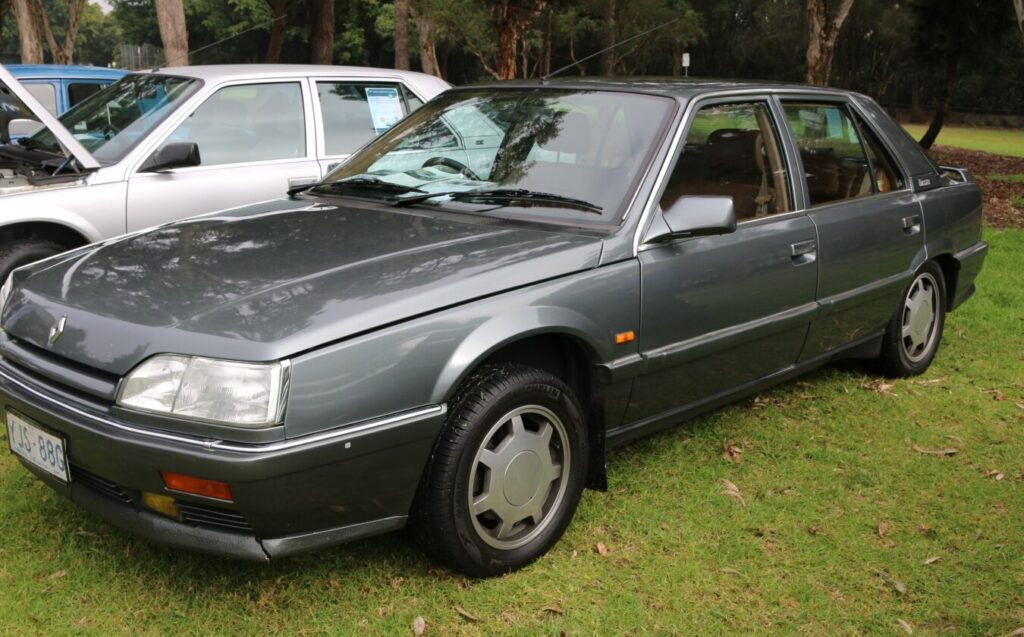
The Renault 25 (B29) 2.5 V6 Turbo, designated internally as the B29G, was a high-performance variant of the Renault 25 executive hatchback produced between 1990 and 1992. Representing the pinnacle of the B29 series, it offered a significant power upgrade over the naturally aspirated engines available in the range. This model aimed to provide a blend of luxury, performance, and French engineering, competing with vehicles like the Peugeot 505 Turbo Injection and the BMW 5 Series. The B29G was positioned as the flagship model, offering a more dynamic driving experience than the more comfort-oriented versions of the Renault 25.
Renault 25 B29G: A Detailed Overview
The Renault 25, launched in 1984, was Renault’s replacement for the Renault 20/30. The B29 series, introduced in 1988, represented a significant facelift, improving the car’s aesthetics and adding updated technology. The 2.5 V6 Turbo (B29G) was the ultimate expression of this evolution, boasting a turbocharged version of Renault’s well-regarded V6 engine. It was a relatively short-lived model, produced for only two years, making it a sought-after vehicle among Renault enthusiasts today.
Powertrain & Engine Architecture
The heart of the B29G is the 2.5-liter (2455cc) V6 engine, designated the PRV (Peugeot-Renault-Volvo) engine. While the PRV engine was a collaborative effort, Renault’s implementation in the 25 Turbo differed from Peugeot’s. The B29G version featured a Garrett T3 turbocharger with intercooling, boosting power output to 205 horsepower (152 kW) at 5800 rpm and 260 lb-ft (352 Nm) of torque at 3500 rpm. This represented a substantial increase over the naturally aspirated 2.2-liter and 2.9-liter V6 engines offered in other Renault 25 models.
The engine utilized a cast iron block with an aluminum cylinder head. It featured a single overhead camshaft (SOHC) design per bank, operating two valves per cylinder. Fuel delivery was managed by Bosch Motronic fuel injection, a sophisticated system for its time, optimizing fuel efficiency and performance. The turbocharger’s operation was controlled by a wastegate, regulating boost pressure to prevent overboost conditions. The engine was mated to a three-speed automatic transmission, a somewhat conservative choice given the engine’s power output, but intended to provide a smooth and refined driving experience. The transmission was designed to handle the increased torque, but it wasn’t known for its sporty responsiveness.
Driving Characteristics
The Renault 25 2.5 V6 Turbo offered a distinctly different driving experience compared to its naturally aspirated siblings. The turbocharger provided a noticeable surge of power, particularly in the mid-range, allowing for brisk acceleration. While the three-speed automatic transmission limited outright performance, it provided smooth gear changes. 0-60 mph times were estimated to be around 7.5 seconds, making it competitive with contemporary performance sedans. However, the automatic transmission’s relatively long gear ratios meant that the engine didn’t always feel as responsive as it could have been.
The suspension, while comfortable, was tuned to handle the increased power and weight of the turbocharged engine. It featured independent suspension all around, with MacPherson struts at the front and a semi-trailing arm setup at the rear. The steering was power-assisted, providing a light and easy driving experience. The car’s handling was generally considered safe and predictable, but not particularly sporty. The focus was more on providing a comfortable and refined grand touring experience rather than outright cornering prowess.
Equipment & Trim Levels
As the flagship model, the 2.5 V6 Turbo came generously equipped. Standard features included leather upholstery, electric windows and mirrors, central locking, a sunroof, and an upgraded sound system. Air conditioning was also standard. The interior trim was typically finished in dark colors, with wood veneer accents adding a touch of luxury. Optional extras included a trip computer, upgraded audio systems, and metallic paint finishes.
The dashboard layout was typical of the B29 series, featuring a comprehensive instrument cluster with gauges for speed, tachometer, fuel level, coolant temperature, and oil pressure. The center console housed the radio, climate control controls, and switches for various accessories. The overall interior design was functional and well-built, reflecting Renault’s commitment to quality.
Chassis & Braking
The Renault 25 B29G utilized a monocoque chassis construction, providing a rigid and safe platform. The front suspension featured MacPherson struts with an anti-roll bar, while the rear suspension employed a semi-trailing arm setup. The braking system consisted of ventilated disc brakes at the front and drum brakes at the rear. While the front discs provided adequate stopping power, the rear drums were a point of criticism, as they didn’t offer the same level of performance as disc brakes. Power steering was standard, making the car easy to maneuver at low speeds.
The tires were typically 195/60 R15, providing a good balance of grip and ride comfort. The car’s weight distribution was relatively balanced, contributing to its stable handling characteristics. The chassis was designed to accommodate the increased power and torque of the turbocharged engine, providing a safe and predictable driving experience.
Market Reception & Comparison
The Renault 25 2.5 V6 Turbo was generally well-received by automotive critics. It was praised for its powerful engine, comfortable ride, and luxurious interior. However, the three-speed automatic transmission was often criticized for its lack of responsiveness. Compared to other models in the Renault 25 range, the B29G offered a significant performance upgrade, but at a higher price point. Fuel economy was also lower than the naturally aspirated versions, reflecting the increased power output.
Compared to its competitors, such as the Peugeot 505 Turbo Injection and the BMW 5 Series, the Renault 25 2.5 V6 Turbo offered a unique blend of French flair and performance. It was often seen as a more affordable alternative to the German luxury cars, while still providing a comfortable and refined driving experience. Reliability was generally good, although the turbocharger and fuel injection system required regular maintenance.
Technical Specifications
| Engine Type | 2.5L V6 Turbocharged |
| Engine Code | PRV B29G |
| Displacement | 2455 cc |
| Power Output | 205 hp (152 kW) @ 5800 rpm |
| Torque | 260 lb-ft (352 Nm) @ 3500 rpm |
| Fuel System | Bosch Motronic Fuel Injection |
| Turbocharger | Garrett T3 |
| Transmission | 3-Speed Automatic |
| Drivetrain | Front-Wheel Drive |
| Weight | Approximately 3300 lbs (1497 kg) |
| 0-60 mph | Approximately 7.5 seconds |
| Top Speed | Approximately 145 mph (233 km/h) |
| Fuel Economy (Combined) | Approximately 20 mpg (11.8 L/100km) |
Legacy
The Renault 25 2.5 V6 Turbo remains a relatively rare and collectible vehicle today. Its short production run and unique combination of performance and luxury have made it a favorite among Renault enthusiasts. The PRV V6 engine, while not without its quirks, is known for its smooth power delivery and distinctive sound. The car’s overall reliability is generally good, but regular maintenance is essential, particularly for the turbocharger and fuel injection system.
In the used car market, the B29G commands a premium over other Renault 25 models. Well-maintained examples are highly sought after by collectors and enthusiasts. The car represents a significant chapter in Renault’s history, showcasing the company’s engineering prowess and commitment to innovation. While it may not be as iconic as some other performance cars of the era, the Renault 25 2.5 V6 Turbo remains a unique and rewarding vehicle to own and drive.
