
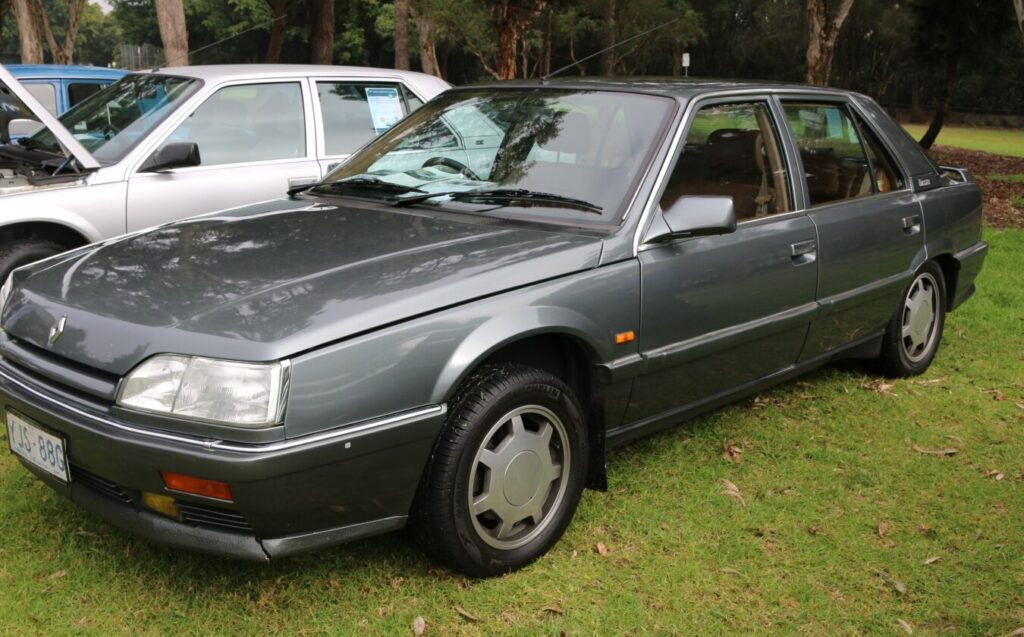
The Renault 25 (B29) 2.7 V6 Injection, designated internally as the B298, was a premium variant of the Renault 25 large family car produced between 1984 and 1989. Positioned as the flagship model within the B29 range, it offered a significant step up in performance and luxury compared to the four-cylinder options. The Renault 25, launched in 1984, was Renault’s replacement for the Renault 20/30, aiming to compete with cars like the Ford Granada and Opel/Vauxhall Senator. The B29 chassis represented a move upmarket for Renault, incorporating more sophisticated technology and a more spacious interior.
The 2.7 V6 Injection (B298) Engine: A Detailed Overview
The heart of the Renault 25 B298 was the Z7V engine, a 2.7-liter naturally aspirated V6. This engine was a significant departure from the more common four-cylinder Renault engines of the time. It was designed to provide smooth, refined power delivery, befitting the car’s luxury aspirations. The Z7V was a 90-degree V6, meaning the cylinder banks were set at a 90-degree angle to each other. This configuration contributes to a smoother engine balance and reduced vibrations. The engine featured a cast iron block and aluminum cylinder heads, a common construction for the era balancing durability with weight reduction.
Powertrain & Fuel Injection System
The “Injection” designation refers to the Bosch Motronic fuel injection system employed. This electronic fuel injection system replaced the earlier carburetor setups, offering improved fuel efficiency, reduced emissions, and enhanced performance. The Motronic system controlled fuel delivery and ignition timing based on a variety of sensor inputs, optimizing engine operation under different conditions. The Z7V engine utilized a single overhead camshaft (SOHC) design per cylinder bank, operating two valves per cylinder (two intake, two exhaust). This valvetrain configuration was a compromise between simplicity and performance. The engine produced 141 horsepower (hp) at 5500 rpm and 195 lb-ft of torque at 3500 rpm. The engine was typically paired with a three-speed automatic transmission, although a five-speed manual transmission was also available, albeit less common, particularly in the US market. The automatic transmission was designed for smooth, comfortable shifts, prioritizing ease of driving over outright performance.
Driving Characteristics
The Renault 25 2.7 V6 Injection offered a distinctly different driving experience compared to the four-cylinder models. The V6 engine provided ample power for comfortable cruising and effortless overtaking. While not a sports car, the B298 offered respectable acceleration, capable of reaching 60 mph in around 9.5 seconds. The automatic transmission, while smooth, did detract somewhat from the engine’s potential, with gear ratios optimized for fuel economy and comfort rather than outright performance. The manual transmission, when equipped, offered a more engaging driving experience and slightly improved acceleration. The engine’s torque curve was relatively flat, providing good pulling power across a wide range of engine speeds. However, the car’s weight (approximately 3,200 lbs) meant that it wasn’t particularly nimble in corners. The focus was on providing a comfortable and refined ride, and the suspension was tuned accordingly.
Equipment & Trim Levels
The 2.7 V6 Injection variant was typically the highest trim level available on the Renault 25. Standard equipment included features such as central locking, electric windows, power steering, and a high-quality interior trim. Upholstery was typically velour or leather, with wood trim accents on the dashboard and door panels. Air conditioning was a common option, as were features like a sunroof and upgraded audio systems. The dashboard featured a comprehensive instrument cluster with gauges for speed, engine temperature, fuel level, and a voltmeter. The Renault 25 B298 aimed to provide a luxurious and well-equipped driving experience, competing with more established premium brands. Optional extras could significantly increase the price of the vehicle, allowing buyers to customize their car to their specific preferences.
Chassis & Braking
The Renault 25 B29 utilized an independent suspension system all around, featuring MacPherson struts at the front and a semi-trailing arm suspension at the rear. This suspension setup provided a comfortable ride and reasonable handling characteristics. The steering was power-assisted, making it easy to maneuver the car in tight spaces. Braking was initially provided by disc brakes at the front and drum brakes at the rear. Later models saw the introduction of disc brakes all around, offering improved stopping power. The car’s weight distribution was relatively balanced, contributing to its stability. Stabilizer bars were fitted to both the front and rear axles to reduce body roll during cornering. The tires were typically 185/65 R14, providing a good balance between comfort and grip.
Market Reception & Comparison
The Renault 25 2.7 V6 Injection was generally well-received by automotive critics. It was praised for its smooth engine, comfortable ride, and spacious interior. However, some critics noted that the car’s styling was somewhat conservative and that the automatic transmission could feel sluggish at times. Compared to the four-cylinder Renault 25 models, the V6 offered a significant performance upgrade, but it also came at a higher price. The V6 was also more expensive to maintain, due to the increased complexity of the engine and its associated systems. In terms of fuel economy, the V6 was less efficient than the four-cylinder models, returning around 18-22 mpg in mixed driving. Compared to its rivals, such as the Ford Granada and Opel Senator, the Renault 25 offered a more modern and refined driving experience, but it lacked the brand recognition of its competitors.
Technical Specifications
| Engine Code | Z7V |
| Engine Type | 2.7L V6 Petrol (Gasoline) |
| Engine Displacement | 2664 cc (162.6 cu in) |
| Power Output | 141 hp (105 kW) @ 5500 rpm |
| Torque Output | 195 lb-ft (264 Nm) @ 3500 rpm |
| Fuel Injection | Bosch Motronic |
| Valvetrain | SOHC, 2 valves per cylinder |
| Compression Ratio | 9.5:1 |
| Transmission | 3-speed Automatic (typically), 5-speed Manual (optional) |
| Fuel Tank Capacity | 72 liters (19.0 US gal, 15.8 UK gal) |
| Engine Oil Capacity | 5.8 liters (6.13 US qt, 5.1 UK qt) |
| Coolant Capacity | 9.8 liters (10.36 US qt, 8.62 UK qt) |
| Curb Weight | Approximately 3,200 lbs (1451 kg) |
Legacy
The Renault 25 2.7 V6 Injection, while not a massive sales success, remains a fondly remembered car among enthusiasts. The Z7V engine, while not without its quirks, is generally considered to be a durable and reliable unit when properly maintained. Parts availability can be a challenge today, as the car is now quite old. However, a dedicated community of Renault 25 owners exists, and parts can often be sourced through specialist suppliers and online forums. The B298 variant is increasingly sought after by collectors, particularly those looking for a well-preserved example of a classic French car. The Renault 25 represented a significant step forward for Renault in terms of design, technology, and refinement, and the 2.7 V6 Injection variant remains the pinnacle of the B29 range.
