
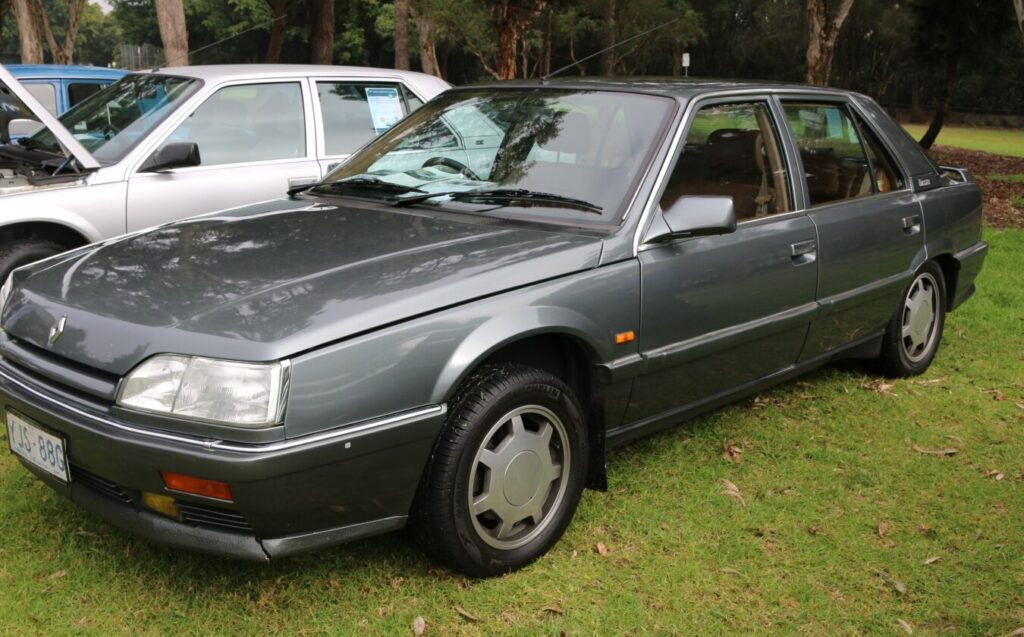
The Renault 25 (B29) 2.8 V6, designated internally as the B293, was a top-of-the-line variant of the Renault 25 executive hatchback produced between 1987 and 1990. Representing the pinnacle of performance for the B29 generation, it offered a significantly more powerful engine option compared to the four-cylinder models, aiming to compete with larger, more established vehicles in the European market. The Renault 25, launched in 1984, was Renault’s replacement for the Renault 20/30, and the B29 series represented a significant refresh of the original design, focusing on improved refinement and available technology. The 2.8 V6 model was positioned as the premium offering, boasting a higher level of standard equipment and a more luxurious driving experience.
The Renault 25 B29 2.8 V6: A Detailed Overview
The B293 variant of the Renault 25 distinguished itself through its larger displacement V6 engine. While the base models utilized 1.8 and 2.0-liter four-cylinder engines, the 2.8 V6 was intended to provide a more spirited driving experience and appeal to buyers seeking a more prestigious vehicle. This model occupied the highest tier in the Renault 25 lineup, offering a blend of comfort, performance, and relatively advanced features for its time. It was a direct response to competitors offering six-cylinder options in the same segment, such as the Peugeot 505 and the Ford Granada.
Powertrain & Engine Architecture
The heart of the Renault 25 B293 is the 2.8-liter (2792 cc) V6 engine, designated the B293. This engine is a naturally aspirated, 90-degree V6, utilizing a cast iron block and aluminum cylinder heads. It featured a single overhead camshaft (SOHC) design per bank, operating two valves per cylinder. Fuel delivery was managed by Bosch Motronic fuel injection, a sophisticated system for the era, contributing to improved fuel efficiency and reduced emissions compared to earlier carbureted engines. The B293 engine produced 156 horsepower (hp) at 5800 rpm and 208 lb-ft of torque at 3800 rpm.
The engine was typically paired with a three-speed automatic transmission, although a five-speed manual transmission was also available, albeit less common. The automatic transmission, while providing convenience, was known to be somewhat conservative in its gearing, prioritizing smoothness and fuel economy over outright acceleration. The transmission was electronically controlled, further enhancing its refinement. The engine’s layout, with its relatively compact V6 configuration, allowed for a good balance of power and packaging within the front-wheel-drive Renault 25 chassis.
Driving Characteristics
The Renault 25 2.8 V6 offered a noticeably different driving experience compared to the four-cylinder models. The increased power and torque of the V6 engine provided significantly improved acceleration and effortless cruising ability. While not a sports car, the B293 delivered a smooth and refined power delivery, making it well-suited for long-distance highway driving. The automatic transmission, while not particularly sporty, offered seamless gear changes and contributed to the overall comfortable driving experience.
Compared to the manual transmission version, the automatic offered less driver engagement but greater ease of use, particularly in urban environments. The gear ratios were optimized for cruising, meaning that while acceleration was respectable, it wasn’t as brisk as the manual variant. The V6 engine’s sound was also a key characteristic, providing a pleasing and sophisticated exhaust note. The Renault 25’s front-wheel-drive configuration, combined with the V6’s weight, could lead to some understeer during aggressive cornering, but the car generally felt stable and predictable.
Equipment & Trim Levels
The 2.8 V6 variant of the Renault 25 was typically equipped with a high level of standard features. These included central locking, electric windows, power steering, and a high-quality audio system. Interior upholstery was typically velour or leather, with wood trim accents on the dashboard and door panels. Air conditioning was standard equipment. Optional extras included a sunroof, upgraded audio systems, and metallic paint finishes. The dashboard layout was characterized by a clean and functional design, with easy-to-read gauges and logically placed controls.
The B293 model often featured unique exterior trim details, such as chrome accents and alloy wheels, to further differentiate it from the lower-spec models. The overall interior ambiance was designed to convey a sense of luxury and sophistication, reflecting the car’s position as the flagship model in the Renault 25 range. The seats were designed for comfort, offering ample support for long journeys.
Chassis & Braking
The Renault 25 B29 utilized an independent suspension system at all four wheels, featuring MacPherson struts at the front and a semi-trailing arm suspension at the rear. This setup provided a comfortable ride quality and good handling characteristics. The suspension was tuned to prioritize comfort over outright sportiness, but it still offered a reasonable level of control and stability. The steering was power-assisted, making it light and easy to maneuver, particularly at low speeds.
Braking was initially provided by disc brakes at the front and drum brakes at the rear. Later models saw the introduction of disc brakes all around, improving braking performance. The braking system was hydraulically assisted and offered adequate stopping power for the car’s weight and performance. Anti-lock braking system (ABS) was available as an optional extra, further enhancing safety.
Market Reception & Comparison
The Renault 25 2.8 V6 was generally well-received by automotive critics, who praised its smooth engine, comfortable ride, and spacious interior. However, some critics noted that the automatic transmission could feel somewhat sluggish and that the car’s handling wasn’t as sharp as some of its competitors. Fuel economy was also a concern, as the V6 engine consumed significantly more fuel than the four-cylinder models.
Compared to its rivals, such as the Peugeot 505 V6 and the Ford Granada 2.8i, the Renault 25 offered a more modern and stylish design. However, it often lacked the brand recognition and established reputation of its competitors. Reliability was generally good, although the Bosch Motronic fuel injection system could be prone to occasional issues. The 2.8 V6 model appealed to buyers who prioritized comfort, refinement, and a powerful engine over outright sporting performance.
Technical Specifications
| Engine Type | 2.8L V6 Petrol (Gasoline) |
| Engine Code | B293 |
| Displacement | 2792 cc |
| Power Output | 156 hp @ 5800 rpm |
| Torque Output | 208 lb-ft @ 3800 rpm |
| Fuel System | Bosch Motronic Fuel Injection |
| Valvetrain | SOHC, 2 valves per cylinder |
| Transmission | 3-speed Automatic (primarily), 5-speed Manual (optional) |
| Drivetrain | Front-Wheel Drive |
| Brakes (Front) | Disc Brakes |
| Brakes (Rear) | Drum Brakes (early models), Disc Brakes (later models) |
| Weight (approx.) | 2877 lbs (1306 kg) |
| Top Speed (approx.) | 137 mph (220 km/h) |
| 0-60 mph (approx.) | 8.5 seconds |
Legacy
The Renault 25 2.8 V6, while not a massive sales success, remains a fondly remembered car among enthusiasts. The B293 engine is considered a robust and reliable unit, and well-maintained examples are still found on the road today. The car’s distinctive styling and comfortable interior have also contributed to its enduring appeal. In the used car market, the 2.8 V6 models command a premium over the four-cylinder versions, reflecting their rarity and desirability. While parts availability can be a challenge, the Renault 25 2.8 V6 continues to offer a unique and rewarding driving experience for those seeking a classic French executive car.
