
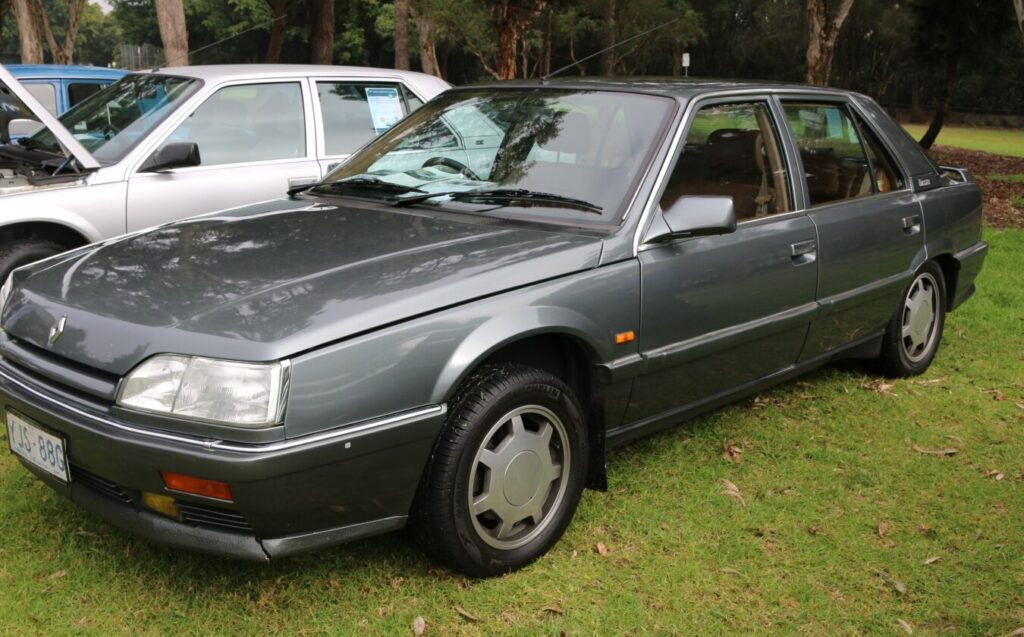
The Renault 25 (B29) 2.8 V6 Injection, designated with engine code Z7W (B29F), was a top-of-the-line variant of the Renault 25 large family car produced between 1987 and 1992. Representing the pinnacle of performance for the B29 generation, it offered a significantly more powerful engine option compared to the four-cylinder models, positioning itself as the premium offering within the Renault 25 range. The Renault 25, launched in 1984, was intended to replace the Renault 20/30, offering a more modern and spacious alternative in the competitive large family car segment. The B29 chassis underpinned the entire range, and the 2.8 V6 Injection was the flagship model, aimed at buyers seeking a blend of comfort, performance, and prestige.
Renault 25 2.8 V6 Injection: A Detailed Overview
The 2.8 V6 Injection model distinguished itself from the rest of the Renault 25 lineup through its larger displacement engine and associated performance enhancements. While the base models typically featured 1.8 and 2.0-liter four-cylinder engines, the 2.8 V6 catered to a different clientele – those prioritizing a smoother, more powerful driving experience. This variant was often equipped with a higher level of standard equipment, further solidifying its position as the luxury trim.
Powertrain & Engine Architecture
The heart of the Renault 25 2.8 V6 Injection is the Z7W engine, a 2,792 cc (170.3 cu in) 90-degree V6. This engine is naturally aspirated and utilizes Bosch Motronic fuel injection, a sophisticated system for its time, contributing to improved fuel efficiency and reduced emissions compared to earlier carbureted V6 engines. The engine features a cast iron block and aluminum cylinder heads, a common configuration for V6 engines aiming for a balance of durability and weight reduction. The valvetrain consists of two valves per cylinder (DOHC), operated by a timing belt. The Z7W engine produced 150 horsepower (hp) at 5,800 rpm and 208 lb-ft of torque at 4,000 rpm. While a five-speed manual transmission was available, the vast majority of 2.8 V6 models were equipped with a four-speed automatic transmission, designed to provide smooth and effortless cruising. This automatic transmission, while comfortable, wasn’t known for its particularly quick shifts or sporty feel.
Driving Characteristics
The Renault 25 2.8 V6 Injection offered a markedly different driving experience compared to its four-cylinder siblings. The V6 engine provided significantly more power and torque, resulting in brisk acceleration and effortless highway cruising. While not a sports car, the 2.8 V6 could achieve 0-60 mph times in around 9-10 seconds, respectable for a large family car of the late 1980s and early 1990s. The automatic transmission, while contributing to a relaxed driving experience, did slightly diminish the overall performance potential. Gear ratios were geared towards comfort and fuel economy rather than outright acceleration. The power delivery was smooth and linear, making it easy to modulate the throttle and maintain control. Compared to the manual transmission version, the automatic offered less driver engagement but greater convenience, appealing to a broader range of buyers.
Equipment & Trim Levels
The 2.8 V6 Injection trim typically came standard with a generous array of features. Interior appointments included velour upholstery, power windows, central locking, and an upgraded sound system. Air conditioning was standard, a necessity for a car positioned as a luxury offering. Leather upholstery was often available as an optional extra, along with a sunroof, upgraded audio systems, and alloy wheels. The dashboard featured a comprehensive instrument cluster with a tachometer, voltmeter, and fuel gauge. The overall interior design emphasized comfort and spaciousness, reflecting the Renault 25’s role as a large family car. The exterior styling was generally consistent across the range, but the 2.8 V6 models often featured subtle chrome accents and larger wheels to distinguish them from the lower trims.
Chassis & Braking
The Renault 25 B29 chassis featured independent suspension all around, utilizing MacPherson struts at the front and a semi-trailing arm setup at the rear. This suspension configuration provided a comfortable ride, absorbing bumps and irregularities in the road surface effectively. The 2.8 V6 models typically featured a thicker front stabilizer bar compared to the four-cylinder versions, helping to reduce body roll during cornering. Braking was initially accomplished with disc brakes at the front and drum brakes at the rear. Later models saw the introduction of rear disc brakes, improving braking performance. Power steering was standard, making maneuvering the relatively large car easier, particularly in urban environments. The steering feel was generally light and precise, although not particularly communicative.
Market Reception & Comparison
The Renault 25 2.8 V6 Injection was generally well-received by automotive critics, who praised its smooth engine, comfortable ride, and spacious interior. However, some criticisms were leveled at the automatic transmission, which was considered somewhat sluggish compared to contemporary offerings. Compared to other large family cars of the era, such as the Peugeot 605 and Citroën CX, the Renault 25 offered a compelling blend of style, comfort, and performance. Fuel economy, unsurprisingly, was lower than that of the four-cylinder models, averaging around 18-22 mpg in mixed driving conditions. Reliability was generally good, although the Bosch Motronic fuel injection system could occasionally require attention. The 2.8 V6 Injection was positioned as a direct competitor to the higher-end trims of its rivals, offering a more luxurious and refined experience than the base models.
Technical Specifications
| Engine Code | Z7W (B29F) |
| Engine Type | Naturally Aspirated V6 |
| Displacement | 2,792 cc (170.3 cu in) |
| Power Output | 150 hp (112 kW) @ 5,800 rpm |
| Torque Output | 208 lb-ft (282 Nm) @ 4,000 rpm |
| Fuel System | Bosch Motronic Fuel Injection |
| Valvetrain | DOHC, 2 valves per cylinder |
| Compression Ratio | 9.5:1 |
| Transmission | 4-speed Automatic (primarily), 5-speed Manual (optional) |
| Fuel Tank Capacity | 72 liters (19.02 US gal) |
| Engine Oil Capacity | 5.5 liters (5.81 US qt) |
| Coolant Capacity | 9.5 liters (10.04 US qt) |
| Curb Weight | Approximately 1,450 kg (3,197 lbs) |
Legacy
The Renault 25 2.8 V6 Injection represents a high point in Renault’s large family car offerings. While production ended in 1992, the model has gained a following among classic car enthusiasts. The Z7W V6 engine, while not without its quirks, is generally considered a durable and reliable powerplant. Today, well-maintained examples of the 2.8 V6 Injection are becoming increasingly collectible. The automatic transmission, while not particularly sought after by performance enthusiasts, remains a comfortable and convenient option for everyday driving. Parts availability can be a challenge, but a dedicated network of Renault enthusiasts and specialist suppliers helps to keep these cars on the road. The Renault 25 2.8 V6 Injection remains a testament to Renault’s engineering prowess and its commitment to providing a refined and enjoyable driving experience.
