
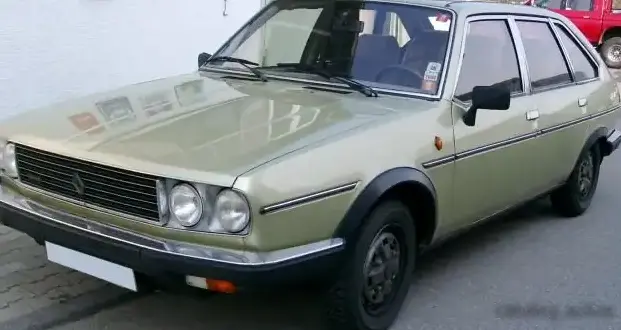
The Renault 30 TS, specifically the 2.6 TS (1275) variant produced between 1978 and 1984, represents a unique and somewhat overlooked chapter in Renault’s history. Positioned as the top-of-the-line trim for the 30 series, this hatchback aimed to offer a blend of practicality, comfort, and performance in a package that was distinctly French. While not a massive sales success, the 30 TS showcased Renault’s engineering capabilities and provided a more upscale alternative within the company’s lineup. It was built upon the 127 platform, a design known for its efficient packaging and front-wheel-drive layout, but elevated with a larger engine and more refined features.
Technical Specifications
| Brand | Renault |
| Model | 30 |
| Generation | 30 (127) |
| Type (Engine) | 2.6 TS (1275) (128 Hp) |
| Start of Production | 1978 |
| End of Production | 1984 |
| Powertrain Architecture | Internal Combustion Engine |
| Body Type | Hatchback |
| Seats | 5 |
| Doors | 5 |
| Fuel Type | Petrol (Gasoline) |
| Power | 128 Hp |
| Engine Aspiration | Naturally Aspirated |
Powertrain & Engine Architecture
The heart of the Renault 30 TS is its 2.6-liter (2667 cc) inline-four cylinder engine, designated the 1275. This engine was a significant departure from the smaller units found in lower-spec 30 models. It featured a cast iron block and an aluminum cylinder head, employing a single overhead camshaft (SOHC) valvetrain. Fuel delivery was managed by a Bosch mechanical fuel injection system, a relatively sophisticated setup for the time, contributing to improved performance and fuel efficiency compared to carbureted engines. The engine produced 128 horsepower at approximately 5800 rpm and 158 lb-ft of torque at 3500 rpm. The engine code is often referenced as C1J. The 30 TS was exclusively offered with a four-speed manual transmission, a deliberate choice to complement the engine’s power output and provide a more engaging driving experience. Unlike some contemporary Renaults, an automatic transmission was not available with this engine.
Driving Characteristics
The Renault 30 TS offered a noticeable step up in performance compared to its lower-powered siblings. The 2.6-liter engine provided ample power for comfortable highway cruising and brisk acceleration. While not a sports car, the 30 TS could achieve a 0-60 mph time of around 9.5 seconds, respectable for a family hatchback of the late 1970s and early 1980s. The four-speed manual transmission was well-matched to the engine’s characteristics, offering smooth shifts and a usable gear ratio spread. The front-wheel-drive layout provided good traction in most conditions, although torque steer could be noticeable under hard acceleration. The suspension, while comfortable, leaned towards a softer setup, prioritizing ride quality over sharp handling. Steering was light and precise, making the car easy to maneuver in urban environments. Compared to the base model 30s with their smaller engines, the TS felt significantly more refined and capable, offering a more premium driving experience.
Equipment & Trim Levels
The Renault 30 TS was the most well-equipped version of the 30. Standard features included cloth upholstery, a comprehensive instrument panel with a tachometer, and a radio. The interior trim was generally more upscale than that found in lower trims, with higher-quality materials and attention to detail. Optional extras included a sunroof, upgraded sound system, and metallic paint finishes. The exterior styling of the TS was distinguished by chrome trim, larger wheels, and often, two-tone paint schemes. The dashboard layout was functional and driver-focused, with all essential controls within easy reach. The seats were designed for comfort, offering adequate support for long journeys. The overall ambiance of the interior was one of understated elegance, reflecting the car’s positioning as a more premium offering.
Chassis & Braking
The Renault 30 TS utilized a MacPherson strut front suspension and a torsion beam rear suspension. This setup provided a good balance between ride comfort and handling. The front suspension incorporated anti-roll bar to reduce body roll during cornering. Braking was handled by disc brakes on the front wheels and drum brakes on the rear wheels. While adequate for normal driving conditions, the rear drum brakes were a point of criticism, as they lacked the stopping power of disc brakes, particularly when the car was fully loaded. The steering system was a rack-and-pinion setup, providing precise and responsive steering feel. The chassis was relatively lightweight, contributing to the car’s nimble handling characteristics. Tire size was typically 175/70R14, providing a good compromise between grip and ride comfort.
Market Reception & Comparison
The Renault 30 TS received mixed reviews from automotive critics. While the engine was praised for its performance and refinement, the car’s overall styling was considered somewhat conservative. Some critics also noted the limitations of the rear drum brakes and the relatively soft suspension. Compared to rivals such as the Volkswagen Golf GTI and the Ford Escort XR3, the 30 TS offered a different character – more focused on comfort and refinement than outright sportiness. Fuel economy was reasonable for the time, averaging around 25-30 mpg. Reliability was generally good, although the Bosch fuel injection system could require occasional maintenance. The 30 TS was positioned as a more upscale alternative to the mainstream hatchback offerings, appealing to buyers who prioritized comfort and refinement over sporty handling.
Legacy
The Renault 30 TS, while not a high-volume seller, holds a special place in the hearts of Renault enthusiasts. The 2.6-liter engine proved to be durable and relatively easy to maintain, and many examples are still on the road today. The car’s unique blend of practicality, comfort, and performance has earned it a loyal following. In the used car market, the 30 TS commands a premium over lower-spec models, particularly those in good condition. Parts availability can be a challenge, but a dedicated network of Renault enthusiasts and specialist suppliers helps to keep these cars running. The Renault 30 TS represents a fascinating example of French automotive engineering from the late 1970s and early 1980s, a car that offered a distinctive alternative to the more mainstream hatchback offerings of the time. It’s a testament to Renault’s ability to create cars that were both practical and enjoyable to drive.
