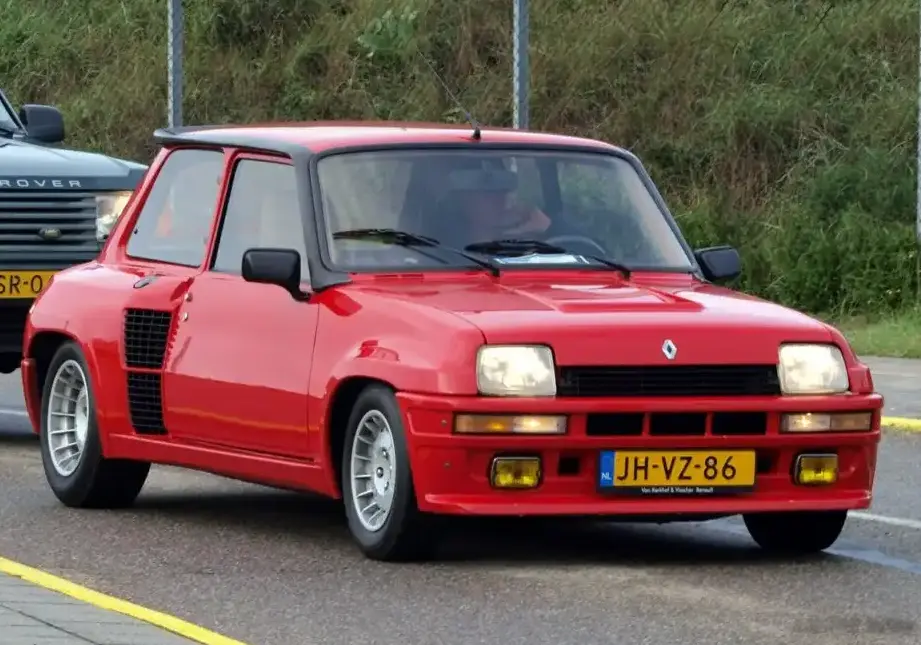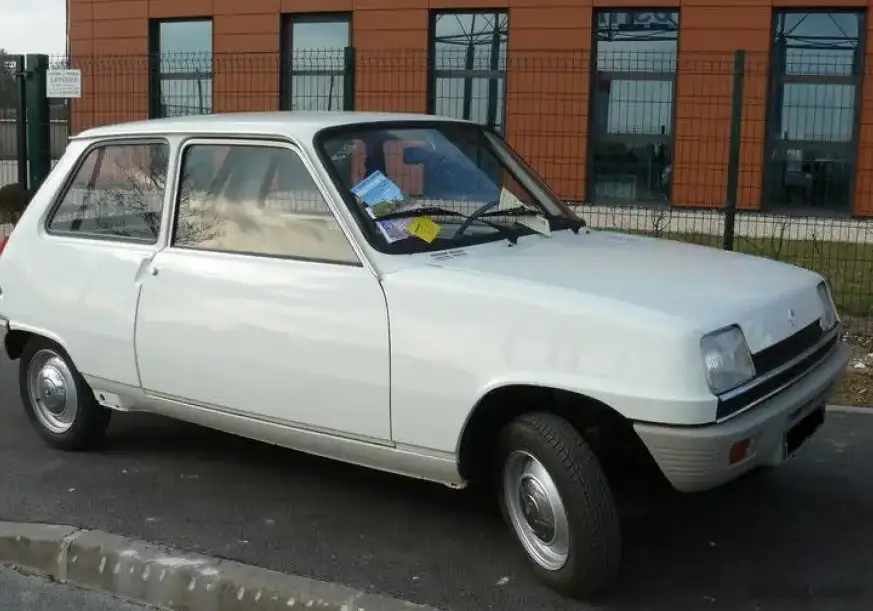
The Renault 5 0.8, producing 37 horsepower, was a foundational variant of the highly successful Renault 5 model range, manufactured between 1982 and 1984. This version represented the entry point into the Renault 5 family, designed for affordability and practicality within the European small car market. It was part of the broader first generation (R12200) Renault 5, which debuted in 1972 and became a cultural icon, known for its distinctive styling and accessible price point. The 0.8-liter model specifically targeted budget-conscious buyers and those seeking a simple, economical city car.
Technical Specifications
| Brand | Renault |
| Model | 5 |
| Generation | 5 |
| Type (Engine) | 0.8 (37 Hp) |
| Start of production | 1982 |
| End of production | 1984 |
| Powertrain Architecture | Internal Combustion engine |
| Body type | Hatchback |
| Seats | 4 |
| Doors | 3 |
| Fuel consumption (urban) | 8 l/100 km (29.4 US mpg) |
| Fuel consumption (extra urban) | 6.5 l/100 km (36.2 US mpg) |
| Fuel Type | Petrol (Gasoline) |
| Maximum speed | 120 km/h (74.56 mph) |
| Power | 37 Hp |
| Engine Model/Code | 800 710 |
| Engine aspiration | Naturally aspirated |
| Engine oil capacity | 2.75 l (2.91 US qt) |
| Coolant capacity | 5.8 l (6.13 US qt) |
| Fuel tank capacity | 38 l (10.04 US gal) |
Powertrain & Engine Architecture
The Renault 5 0.8 was powered by the 800 710 engine, a 799cc inline-four cylinder petrol engine. This engine was a simple, overhead valve (OHV) design, utilizing a single camshaft in the block to actuate the valves. Fuel delivery was managed by a single, down-draft carburetor – typically a Solex or Weber unit – rather than fuel injection, which was less common on vehicles in this price bracket during the early 1980s. The engine’s modest output of 37 horsepower at around 6000 rpm and approximately 54 lb-ft of torque was achieved through a relatively low compression ratio, prioritizing reliability and fuel economy over outright performance. The engine was paired with a four-speed manual transmission as standard, although a three-speed automatic transmission was offered as an optional extra, albeit rarely selected due to its further reduction in performance. The automatic transmission was a conventional hydraulic torque converter type.
Driving Characteristics
The driving experience in the Renault 5 0.8 was characterized by its light weight and nimble handling. While acceleration was modest – 0 to 60 mph taking around 18-20 seconds – the car felt lively enough for urban driving. The four-speed manual transmission offered a reasonable spread of gears, allowing the engine to operate efficiently at cruising speeds. The optional three-speed automatic, however, significantly hampered performance, resulting in sluggish acceleration and a tendency for the engine to feel strained, especially when climbing hills. Steering was light and direct, making it easy to maneuver in tight spaces. The suspension, consisting of independent front suspension with torsion bars and a non-independent rear axle with trailing arms, provided a comfortable, if somewhat basic, ride quality. The car’s small size and light weight contributed to its agility, making it a fun and engaging car to drive, despite its limited power.
Equipment & Trim Levels
The Renault 5 0.8 was positioned as the base model, and as such, it featured a relatively sparse equipment list. Standard features typically included cloth upholstery, vinyl floor covering, basic instrumentation (speedometer, fuel gauge), and manually operated windows and door locks. The interior was functional and durable, prioritizing practicality over luxury. Optional extras were limited but could include a radio, heated rear window, and upgraded upholstery. The exterior trim was also basic, with black plastic bumpers and steel wheels with hubcaps being standard. The paint options were typically limited to a range of solid colors.
Chassis & Braking
The Renault 5 0.8 utilized a monocoque chassis construction, providing a good balance of strength and lightness. The front suspension featured independent torsion bar springs, while the rear suspension employed a trailing arm setup. Braking was initially provided by drum brakes on all four wheels, although later models often featured front disc brakes for improved stopping power. The steering was a rack and pinion system, offering precise and responsive control. The car’s relatively low weight – around 780-820 kg (1720-1808 lbs) – contributed to its nimble handling and reasonable braking performance.
Market Reception & Comparison
The Renault 5 0.8 was well-received in the European market as an affordable and practical city car. Critics praised its fuel economy, nimble handling, and distinctive styling. However, its limited power and basic equipment levels were also noted. Compared to other small cars of the era, such as the Fiat 127 and the Citroën 2CV, the Renault 5 offered a more modern design and a slightly more refined driving experience. Within the Renault 5 lineup, the 0.8-liter model served as the entry point, with higher-powered versions, such as the 1.1-liter and the later Renault 5 Turbo, offering increased performance and more luxurious features. The 0.8 was favored by first-time car buyers, students, and those seeking a low-cost, reliable mode of transportation.
Legacy
The Renault 5 0.8, while not the most powerful or luxurious variant of the Renault 5, played a crucial role in establishing the model’s popularity and success. The 800 710 engine proved to be remarkably durable and reliable, and many examples of the 0.8-liter model are still on the road today. In the used car market, these early Renault 5s are increasingly sought after by collectors and enthusiasts, particularly those looking for a nostalgic reminder of the 1980s. While maintenance can be straightforward due to the engine’s simplicity, finding parts can sometimes be a challenge. The Renault 5 0.8 remains a testament to the enduring appeal of affordable, practical, and stylish small cars.