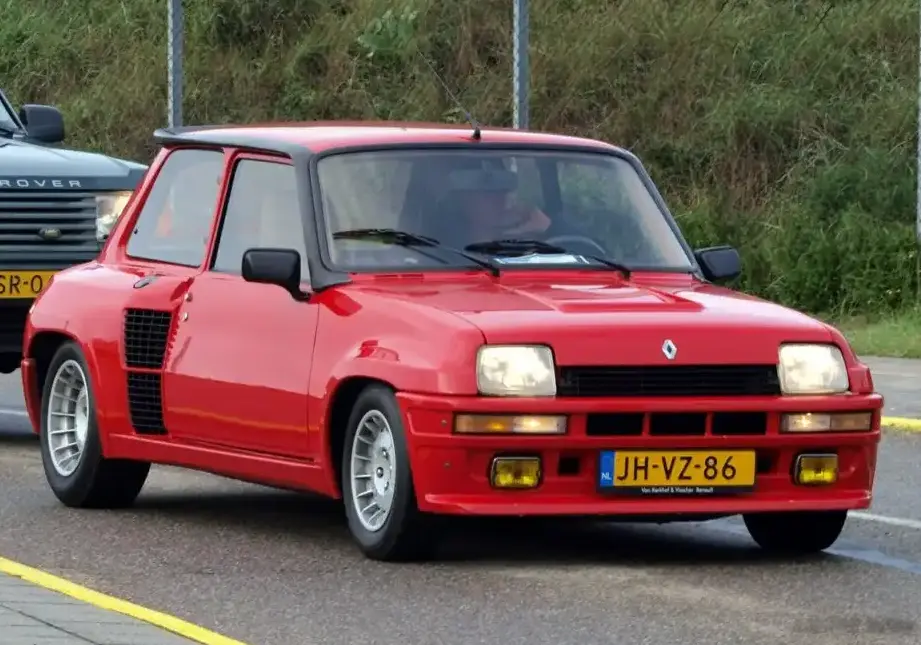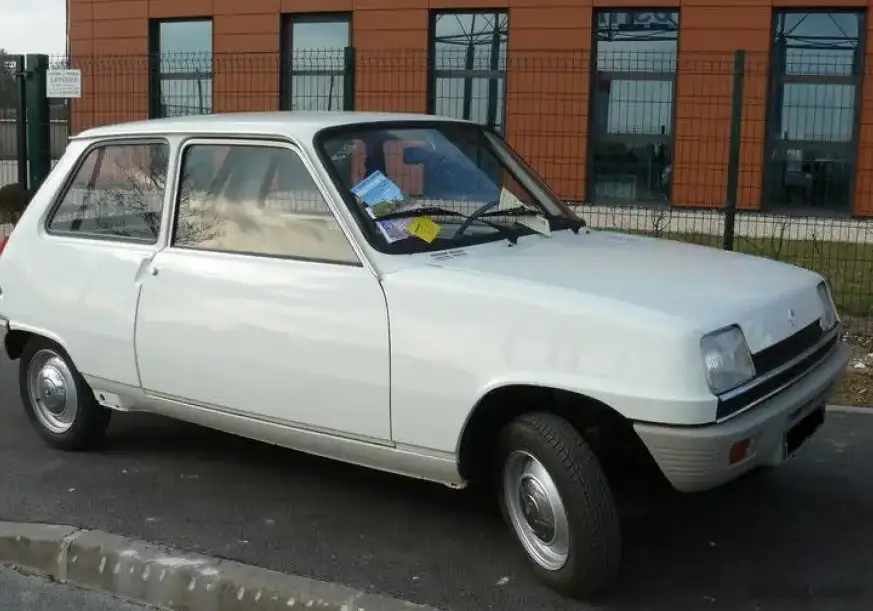
The Renault 5 1.3 Automatic, produced between 1979 and 1984, represented an entry-level offering within the broader Renault 5 range. This variant, powered by the 810 engine and paired with a three-speed automatic transmission, aimed to provide accessible and convenient transportation within the supermini segment, primarily targeting buyers in Europe who prioritized ease of use over outright performance. It occupied the lower end of the trim spectrum, offering a more affordable alternative to the manual transmission models and the higher-powered versions available.
Technical Specifications
| Brand | Renault |
| Model | 5 |
| Generation | 5 |
| Type (Engine) | 1.3 (54 Hp) Automatic |
| Start of production | 1979 |
| End of production | 1984 |
| Powertrain Architecture | Internal Combustion engine |
| Body type | Hatchback |
| Seats | 4 |
| Doors | 3 |
| Fuel consumption (urban) | 8.3 l/100 km (28.3 US mpg, 34 UK mpg, 12 km/l) |
| Fuel consumption (extra urban) | 7 l/100 km (33.6 US mpg, 40.4 UK mpg, 14.3 km/l) |
| Fuel Type | Petrol (Gasoline) |
| Maximum speed | 140 km/h (86.99 mph) |
| Power | 54 Hp |
| Engine Model/Code | 810 |
| Engine aspiration | Naturally aspirated |
| Engine oil capacity | 3.3 l (3.49 US qt, 2.9 UK qt) |
| Coolant capacity | 6.3 l (6.66 US qt, 5.54 UK qt) |
| Fuel tank capacity | 38 l (10.04 US gal, 8.36 UK gal) |
Powertrain & Engine Architecture
The Renault 5 1.3 Automatic was equipped with the 810 engine, a 1.289cc inline-four cylinder petrol engine. This engine featured a relatively simple design, utilizing a single overhead camshaft (SOHC) valvetrain and a two-barrel carburetor for fuel delivery. The 810 engine was known for its durability and ease of maintenance, but its output was modest, producing 54 horsepower at approximately 6,000 rpm and around 68 lb-ft of torque. The automatic transmission was a three-speed unit, designed to provide smooth, if not particularly rapid, gear changes. It was a conventional hydraulic automatic, lacking the electronic controls found in later transmissions. The combination of the low-output engine and the three-speed automatic resulted in a powertrain focused on fuel efficiency and ease of driving rather than performance.
Driving Characteristics
The driving experience in the Renault 5 1.3 Automatic was characterized by its relaxed nature. Acceleration was leisurely, with the 0 to 60 mph time estimated to be around 16-18 seconds. The three-speed automatic transmission had relatively wide gear ratios, prioritizing fuel economy over quick acceleration. The automatic transmission did rob some power from the engine, making it feel even slower than its manual counterparts. The car was best suited for urban driving and shorter trips, where its ease of use and comfortable ride were more appreciated than its lack of outright speed. The steering was light and precise, making it easy to maneuver in tight spaces. The suspension, while basic, provided a reasonably comfortable ride on most road surfaces.
Equipment & Trim Levels
The 1.3 Automatic trim level of the Renault 5 was generally considered the base model. Standard equipment typically included cloth upholstery, basic instrumentation (speedometer, fuel gauge, and temperature gauge), and a simple two-spoke steering wheel. Optional extras were available, such as a radio, upgraded interior trim, and a sunroof. The interior was functional and utilitarian, reflecting the car’s affordable price point. The dashboard layout was straightforward, with all controls within easy reach of the driver. The seats offered adequate support for shorter journeys, but were not particularly luxurious.
Chassis & Braking
The Renault 5 featured a front-engine, front-wheel-drive layout. The suspension consisted of independent front suspension with MacPherson struts and a torsion beam rear axle. This setup provided a reasonable balance between ride comfort and handling. Braking was initially accomplished with drum brakes on all four wheels, although later models often featured front disc brakes. The braking system was adequate for the car’s weight and performance, but lacked the stopping power of more modern vehicles. The steering was a rack and pinion system, providing precise and responsive handling.
Market Reception & Comparison
The Renault 5 1.3 Automatic received mixed reviews. Critics generally praised its affordability, ease of use, and fuel efficiency. However, they also criticized its lack of performance and the somewhat sluggish operation of the automatic transmission. Compared to the manual transmission versions of the Renault 5, the 1.3 Automatic was noticeably slower and less engaging to drive. The higher-powered Renault 5 models, such as the Gordini and Turbo, offered significantly more performance but came at a higher price. The 1.3 Automatic appealed to buyers who prioritized convenience and low running costs over driving excitement. It competed with other small, affordable hatchbacks of the era, such as the Fiat 127 and the Citroën 2CV.
Legacy
The Renault 5 1.3 Automatic, while not a performance icon, played a significant role in making motoring accessible to a wider audience. The 810 engine proved to be remarkably durable, and many examples are still on the road today. The automatic transmission, while simple, was generally reliable. In the used car market, these models are often sought after by enthusiasts looking for a classic French car that is easy to maintain and relatively affordable to run. The Renault 5, in all its variants, remains a beloved and iconic vehicle, representing a pivotal moment in the history of the supermini segment. The 1.3 Automatic, though the least powerful version, offers a unique and charming driving experience that appeals to those seeking a nostalgic and uncomplicated motoring experience.