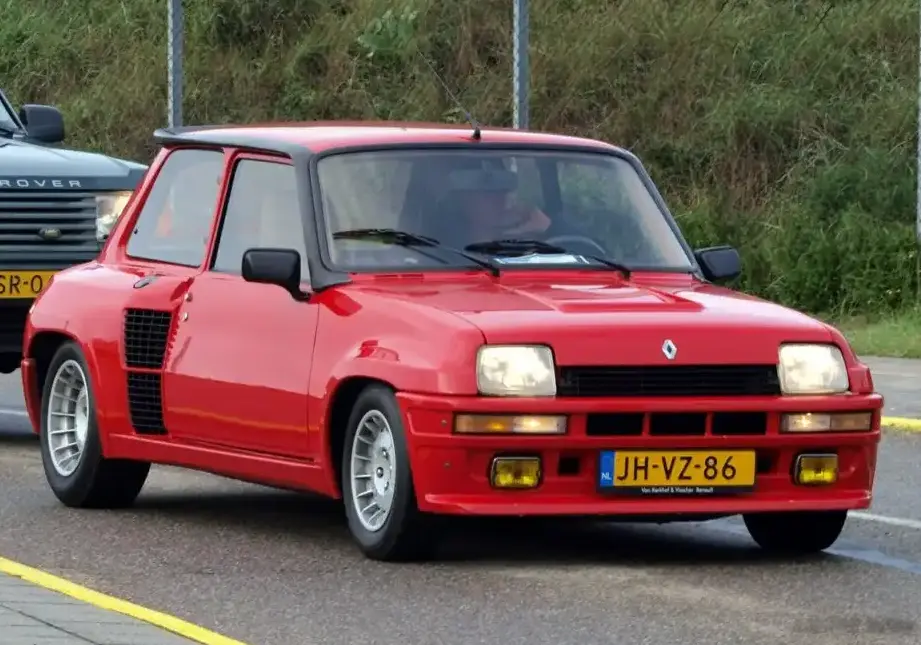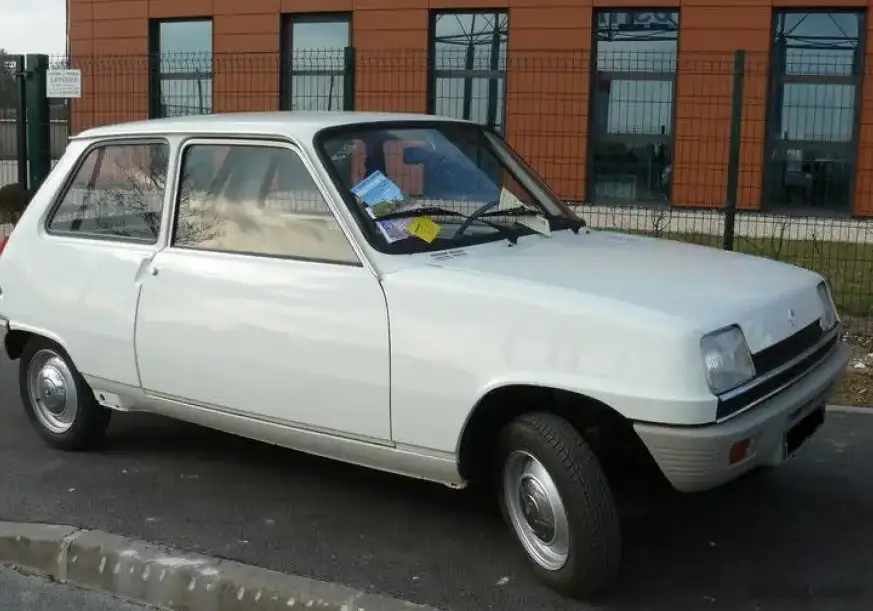
The Renault 5 Alpine A5 1.4 (93 hp) was a performance-oriented variant of the popular Renault 5, produced between 1977 and 1981. Positioned as a more sporting alternative to the standard R5, the Alpine A5 aimed to deliver a blend of affordability, nimble handling, and respectable performance. It represented a key step in Renault’s strategy of offering accessible performance cars to a wider audience, capitalizing on the success of the original Renault Alpine models. This variant occupied a mid-range position within the Renault 5 lineup, offering more power and a distinct aesthetic package compared to the base models, but remaining more attainable than the later, more powerful Turbo versions.
Technical Specifications
| Brand | Renault |
| Model | 5 |
| Generation | 5 |
| Type (Engine) | Alpine A5 1.4 (93 Hp) |
| Start of production | 1977 |
| End of production | 1981 |
| Powertrain Architecture | Internal Combustion engine |
| Body type | Hatchback |
| Seats | 4 |
| Doors | 3 |
| Fuel consumption (urban) | 10.7 l/100 km (22 US mpg, 26.4 UK mpg, 9.3 km/l) |
| Fuel consumption (extra urban) | 5.6 l/100 km (42 US mpg, 50.4 UK mpg, 17.9 km/l) |
| Fuel Type | Petrol (Gasoline) |
| Maximum speed | 175 km/h (108.74 mph) |
| Power | 93 Hp |
| Engine Model/Code | 840 725 |
| Engine aspiration | Naturally aspirated engine |
| Engine oil capacity | 3.3 l (3.49 US qt, 2.9 UK qt) |
| Coolant capacity | 6.3 l (6.66 US qt, 5.54 UK qt) |
| Fuel tank capacity | 38 l (10.04 US gal, 8.36 UK gal) |
Powertrain & Engine Architecture
The heart of the Alpine A5 was the 1397cc (1.4L) Renault 840 engine. This was a naturally aspirated, inline-four cylinder engine, derived from the Cléon-Fonte family, known for its robustness and relatively simple design. The ‘840’ engine code specifically denotes this variant. It featured a single overhead camshaft (SOHC) operating two valves per cylinder. Fuel delivery was managed by a single, downdraft Solex carburetor, a common setup for European cars of this era. While not particularly sophisticated by modern standards, this carburetor provided adequate fuel atomization for the engine’s output. The engine produced 93 horsepower at approximately 6000 rpm and around 82 lb-ft of torque at 4000 rpm. The transmission was a four-speed manual gearbox, chosen for its simplicity and direct connection to the drivetrain. The engine’s design prioritized reliability and ease of maintenance over outright peak power.
Driving Characteristics
The Renault 5 Alpine A5 offered a noticeably more engaging driving experience than the standard Renault 5. The 93 hp engine, while not overwhelming, provided brisk acceleration for a car of its size and weight. The four-speed gearbox was well-matched to the engine’s powerband, allowing for reasonably quick shifts. The car’s relatively light weight (around 780 kg or 1720 lbs) contributed to its nimble handling. Compared to the lower-powered Renault 5 models, the Alpine A5 felt significantly more responsive. However, it lacked the outright punch of the later Renault 5 Turbo, which featured a turbocharged engine and a more sophisticated chassis. The steering was direct and communicative, providing good feedback to the driver. The suspension, while simple, offered a good balance between ride comfort and handling. The Alpine A5 wasn’t designed for high-speed cruising, but it excelled in city driving and on winding back roads.
Equipment & Trim Levels
The Alpine A5 distinguished itself from other Renault 5 models through a number of visual and equipment upgrades. Standard features included a unique front spoiler, flared wheel arches, and distinctive Alpine badging. The interior featured sport seats, often upholstered in a combination of cloth and vinyl, and a three-spoke steering wheel. A rev-counter was also included in the instrument cluster, a feature not found on all Renault 5 models. Optional extras included a sunroof, upgraded audio system, and alloy wheels. The interior trim was generally functional and utilitarian, reflecting the car’s affordable price point. The Alpine A5 aimed to provide a sporty aesthetic without sacrificing practicality.
Chassis & Braking
The Renault 5 Alpine A5 utilized a relatively simple chassis design. It featured a front-engine, front-wheel-drive layout with independent front suspension and a torsion beam rear suspension. The front suspension consisted of MacPherson struts with coil springs and an anti-roll bar. The rear suspension utilized a torsion beam, which provided a compact and cost-effective solution. Braking was handled by disc brakes on the front wheels and drum brakes on the rear wheels. While the drum brakes on the rear were adequate for normal driving, they lacked the stopping power of disc brakes. The car’s relatively light weight helped to compensate for the rear drum brakes. The steering was a rack-and-pinion system, providing precise and responsive steering feel.
Market Reception & Comparison
The Renault 5 Alpine A5 was generally well-received by automotive critics. It was praised for its sporty handling, affordable price, and distinctive styling. Critics noted that the 93 hp engine provided adequate performance for a car of its size, but some felt that it could benefit from more power. Compared to other small, sporty cars of the era, such as the Peugeot 205 and the Fiat 127 Sport, the Alpine A5 offered a compelling combination of performance and value. Fuel economy was reasonable for the time, averaging around 35-40 mpg on the open road. Reliability was generally good, although the carburetor required periodic adjustment. The Alpine A5 represented a significant step up in performance and refinement compared to the base Renault 5 models, making it a popular choice for drivers who wanted a fun and affordable car.
Legacy
The Renault 5 Alpine A5 holds a fond place in the hearts of many automotive enthusiasts. It represents a classic example of a 1970s hot hatch, offering a blend of style, performance, and affordability. The 840 engine proved to be remarkably durable, and many examples are still on the road today. The Alpine A5 paved the way for the later, more powerful Renault 5 Turbo, which became a legendary rally car. In the used car market, the Alpine A5 is becoming increasingly collectible, particularly well-preserved examples. Its simple mechanical design makes it relatively easy to maintain, and parts are still readily available. The Renault 5 Alpine A5 remains a testament to Renault’s ability to create engaging and accessible performance cars.