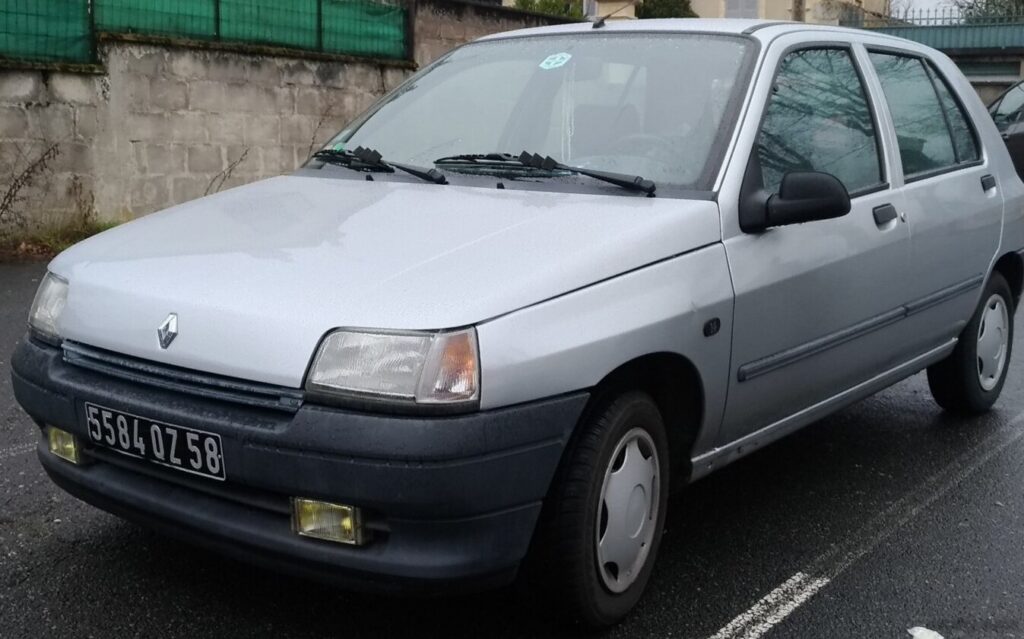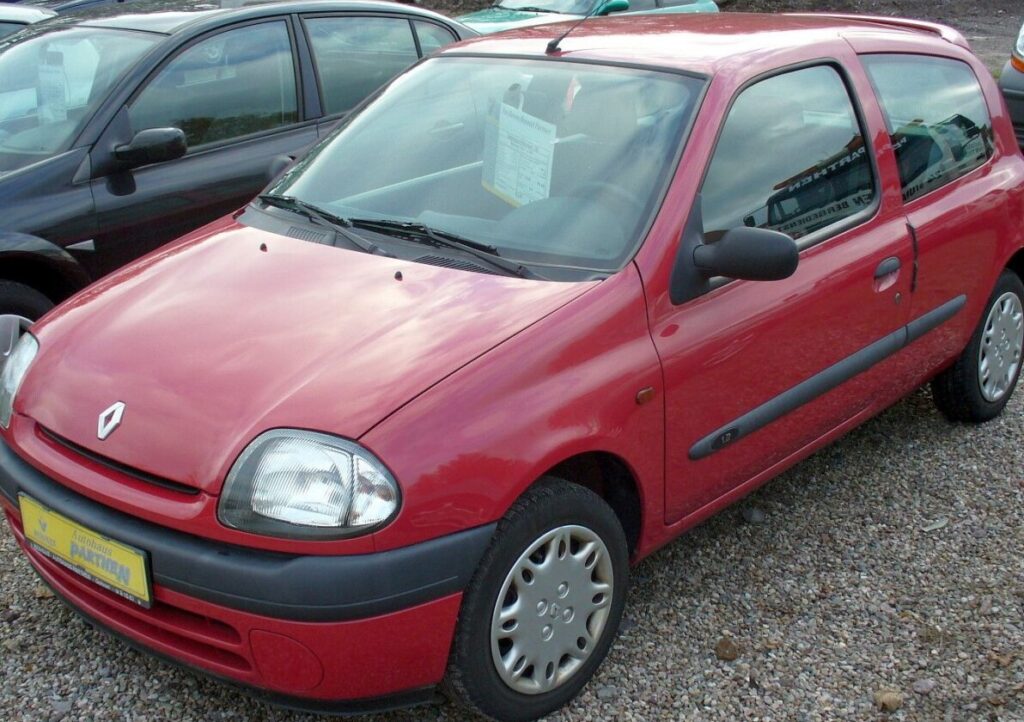
The Renault Clio II Phase I 1.6 16V, produced from 2000 to 2001, was a significant iteration of Renault’s popular supermini. This 3-door hatchback variant, powered by a 1.6-liter 16-valve engine producing 107 horsepower, occupied a mid-range position within the Clio II lineup, offering a balance between performance and affordability. It was built on the 1HX0/A3 platform, shared with other Renault models of the era, and represented a step up from the base 1.2 and 1.4-liter engines, while remaining more accessible than the sportier Clio Renault Sport models.
Powertrain & Engine Architecture
The heart of the Clio II 1.6 16V is the K4M engine, a naturally aspirated, inline-four cylinder gasoline engine with a displacement of 1598 cc (97.52 cubic inches). This engine utilizes multi-port fuel injection and a double overhead camshaft (DOHC) valvetrain, operating with four valves per cylinder. The bore measures 79.5 mm (3.13 inches) and the stroke is 80.5 mm (3.17 inches), resulting in a compression ratio of 10:1. The K4M engine was known for its relatively smooth operation and decent power output for its size. Engine oil capacity is 4.75 liters (5.02 US quarts / 4.18 UK quarts), and it requires coolant totaling 6.2 liters (6.55 US quarts / 5.46 UK quarts).
While a five-speed manual transmission was standard, this variant was also offered with a four-speed automatic transmission. The automatic gearbox, a Renault-sourced unit, was designed for smooth, comfortable operation rather than outright performance. It featured standard torque converter technology and electronic control for optimized shift points. The automatic transmission was a popular choice for drivers prioritizing ease of use, particularly in urban environments.
Engine Code Specifics
The K4M engine code is crucial for identifying specific variations and sourcing parts. Early K4M engines (and those found in the Clio II) were generally reliable, but later iterations saw some improvements in fuel efficiency and emissions control. The 16-valve configuration, compared to the 8-valve engines found in lower-spec Clios, significantly improved breathing and allowed for higher engine speeds and increased power.
Driving Characteristics
The Clio II 1.6 16V with the manual transmission offered brisk acceleration for its class, achieving 0-62 mph (0-100 km/h) in approximately 9.6 seconds and a top speed of 195 km/h (121.17 mph). The automatic transmission version saw a slight decrease in performance due to the inherent power loss within the torque converter and the less aggressive shift programming. Real-world driving revealed a responsive engine with a usable powerband. The 148 Nm (109.16 lb-ft) of torque, available at 3750 rpm, provided adequate pulling power for everyday driving and overtaking maneuvers.
The automatic transmission, while convenient, did exhibit some typical characteristics of older four-speed automatics. Gear changes weren’t particularly quick or sporty, and the transmission could sometimes feel hesitant during kickdown. However, it provided a comfortable and relaxed driving experience, especially in city traffic. The gear ratios were optimized for fuel efficiency and smooth cruising rather than maximizing acceleration.
Equipment & Trim Levels
The Clio II 1.6 16V typically came equipped with a reasonable level of standard features. These included power steering, central locking, front electric windows, and an adjustable steering column. Interior upholstery was generally cloth, with a simple but functional dashboard layout. Optional extras included air conditioning, alloy wheels, a sunroof, and a CD player. Higher trim levels, such as the “RT” or “Exception” variants, added more luxurious features like leather upholstery, upgraded audio systems, and automatic headlights.
The 3-door configuration emphasized a more youthful and sporty image compared to the 5-door model. The interior space, while adequate for four adults, was somewhat compromised by the smaller rear doors. The rear seats could be folded down to increase luggage capacity, expanding from a minimum of 255 liters (9.01 cu. ft.) to a maximum of 1035 liters (36.55 cu. ft.).
Chassis & Braking
The Clio II utilized a front-engine, front-wheel-drive layout. The front suspension consisted of a MacPherson strut independent setup, providing a comfortable ride and decent handling. The rear suspension employed a coil spring torsion beam, a cost-effective solution that offered a good balance between ride quality and stability. The kerb weight of the vehicle was 995 kg (2193.6 lbs), contributing to its relatively nimble handling.
Braking duties were handled by ventilated discs on the front wheels and drum brakes on the rear. Anti-lock Braking System (ABS) was standard, enhancing safety by preventing wheel lockup during hard braking. The steering system was a rack and pinion type with hydraulic power assistance, providing precise and responsive steering feel. The vehicle was equipped with 185/60 R14 tires mounted on 6J x 14 inch wheel rims.
Market Reception & Comparison
The Clio II 1.6 16V was generally well-received by automotive critics. It was praised for its stylish design, comfortable ride, and responsive engine. Compared to the base models, the 1.6 16V offered a noticeable improvement in performance, making it a more enjoyable car to drive. However, it wasn’t as sporty or engaging as the Clio Renault Sport models. Fuel economy was respectable, with combined cycle figures around 7.7 l/100 km (30.4 UK mpg / 25.3 US mpg), although the automatic transmission version typically consumed slightly more fuel.
In terms of reliability, the K4M engine proved to be generally robust, although regular maintenance was essential. The automatic transmission, while reliable, was sometimes prone to wear and tear over time. Compared to competitors like the Peugeot 206 and Volkswagen Polo, the Clio II offered a compelling package of style, comfort, and value.
Technical Specifications
| Brand | Renault |
| Model | Clio |
| Generation | Clio II (Phase I) 3-door |
| Type (Engine) | 1.6 16V (107 Hp) |
| Start of production | 2000 year |
| End of production | 2001 year |
| Powertrain Architecture | Internal Combustion engine |
| Body type | Hatchback |
| Seats | 5 |
| Doors | 3 |
| Fuel consumption (urban) | 9.3 l/100 km (25.3 US mpg / 30.4 UK mpg) |
| Fuel consumption (extra urban) | 5.6 l/100 km (42 US mpg / 50.4 UK mpg) |
| Fuel Type | Petrol (Gasoline) |
| Acceleration 0 – 100 km/h | 9.6 sec |
| Acceleration 0 – 62 mph | 9.6 sec |
| Acceleration 0 – 60 mph | 9.1 sec |
| Maximum speed | 195 km/h (121.17 mph) |
| Emission standard | Euro 2 |
| Weight-to-power ratio | 9.3 kg/Hp |
| Power | 107 Hp @ 5750 rpm |
| Torque | 148 Nm @ 3750 rpm (109.16 lb.-ft. @ 3750 rpm) |
| Engine layout | Front, Transverse |
| Engine Model/Code | K4M |
| Engine displacement | 1598 cm3 (97.52 cu. in.) |
| Number of cylinders | 4 |
| Cylinder Bore | 79.5 mm (3.13 in.) |
| Piston Stroke | 80.5 mm (3.17 in.) |
| Compression ratio | 10:1 |
| Engine oil capacity | 4.75 l (5.02 US qt | 4.18 UK qt) |
| Coolant | 6.2 l (6.55 US qt | 5.46 UK qt) |
| Kerb Weight | 995 kg (2193.6 lbs.) |
| Max. weight | 1515 kg (3340 lbs.) |
| Trunk (boot) space – minimum | 255 l (9.01 cu. ft.) |
| Trunk (boot) space – maximum | 1035 l (36.55 cu. ft.) |
| Fuel tank capacity | 50 l (13.21 US gal | 11 UK gal) |
| Length | 3773 mm (148.54 in.) |
| Width | 1640 mm (64.57 in.) |
| Height | 1417 mm (55.79 in.) |
Legacy
The Renault Clio II 1.6 16V remains a popular choice among enthusiasts and budget-conscious buyers in the used car market. The K4M engine, when properly maintained, is known for its longevity and relatively low running costs. However, potential buyers should be aware of the possibility of wear and tear on the automatic transmission, and it’s advisable to have it inspected by a qualified mechanic before purchase. The Clio II’s combination of style, practicality, and affordability has ensured its continued relevance as a classic supermini.