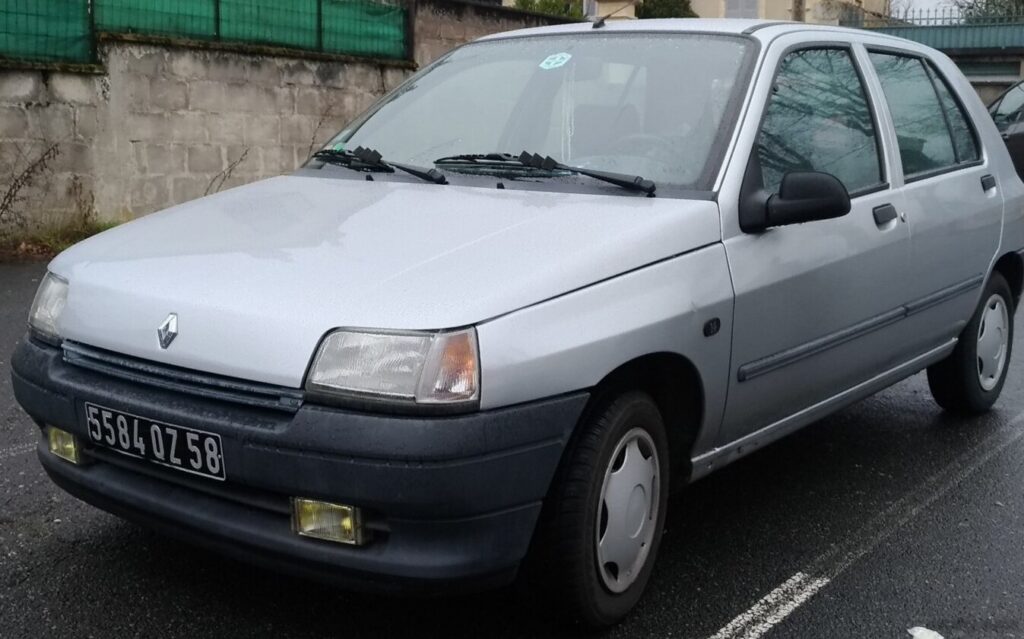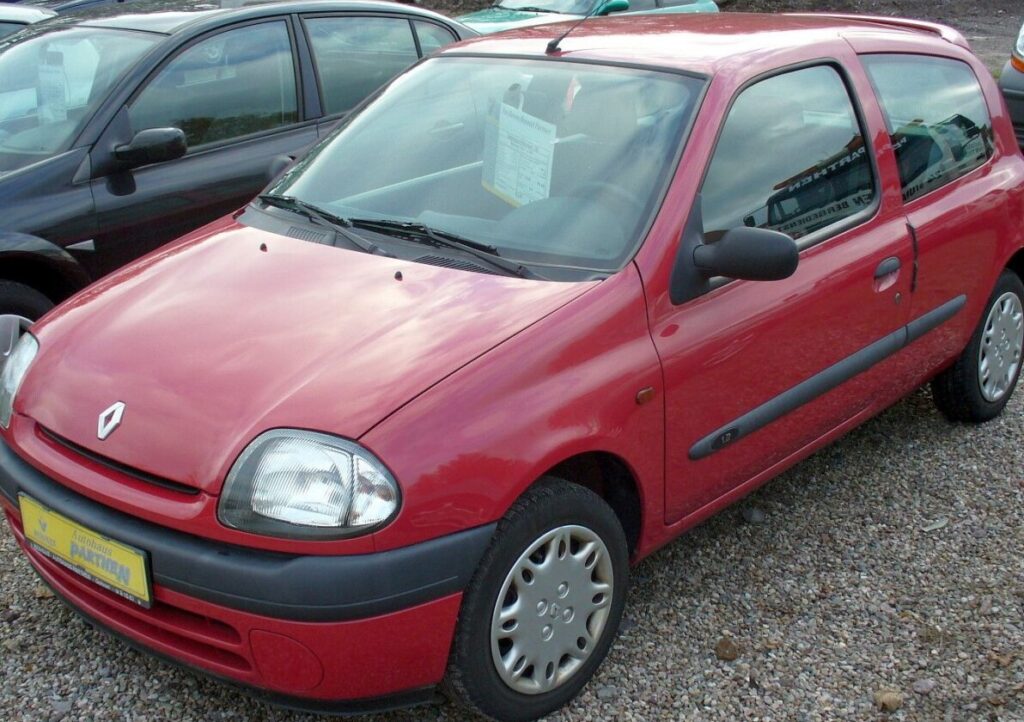
The Renault Clio II Phase I 1.6 (90 hp) 3-door hatchback, produced between 1998 and 2000, represented a key entry point into the second generation of Renault’s popular supermini. Positioned as a practical and affordable option, it served as a stepping stone within the Clio II range, offering a balance between performance and economy. This variant was designed to appeal to buyers seeking a reliable and reasonably equipped vehicle for daily commuting and urban driving, fitting neatly between the base 1.2L engine options and the more powerful 1.8L and 2.0L variants. The Clio II itself was built on the 1HX0/A3 platform, a significant upgrade from the previous generation, offering improved safety, comfort, and refinement.
Powertrain & Engine Architecture
The heart of the Clio II 1.6 (90 hp) is the Renault K7M engine, a 1.6-liter inline-four cylinder gasoline engine. This engine, a mainstay of Renault’s lineup for many years, is known for its robustness and relatively simple design. The K7M features a naturally aspirated configuration, meaning it relies solely on atmospheric pressure to draw air into the cylinders, rather than forced induction. It utilizes a multi-port fuel injection system, delivering fuel directly into the intake ports just before the intake valves. This system, common for its time, provides a good balance between fuel efficiency and performance. The engine boasts a compression ratio of 9.5:1 and employs a double overhead camshaft (DOHC) valvetrain, operating two valves per cylinder. This configuration contributes to improved breathing and overall engine efficiency.
While manual transmissions were common for this engine, the 1.6L 90 hp was also offered with a four-speed automatic transmission. This automatic, while providing convenience, was not known for its sportiness or particularly quick shifts. It was geared more towards smooth operation and ease of use, aligning with the target audience for this trim level. The automatic transmission’s gear ratios were optimized for fuel economy and comfortable cruising, rather than outright acceleration. The engine produces 90 horsepower at 5250 rpm and 131 Nm (96.62 lb-ft) of torque at 2500 rpm.
Engine Code Specifics
The K7M engine code is crucial for identifying specific variations and potential maintenance requirements. Early K7M engines (pre-1999) sometimes exhibited issues with oil consumption, though these were generally addressed in later iterations. Regular oil level checks were, and remain, important for owners of vehicles equipped with this engine. The engine’s relatively simple design makes it accessible for DIY mechanics, and parts availability remains good, even today.
Driving Characteristics
The driving experience in the Clio II 1.6 (90 hp) with the automatic transmission is best described as comfortable and undemanding. Acceleration from 0 to 62 mph (0-100 km/h) takes approximately 10.6 seconds, which was respectable for a supermini of its era, but noticeably slower than the manual transmission versions or the higher-powered engine options. The automatic transmission contributes to a smoother, less engaging driving experience compared to the five-speed manual. Power delivery is linear, with the engine feeling most responsive in the mid-range. The automatic transmission’s shift points are programmed for economy, meaning it will upshift quickly to conserve fuel, sometimes at the expense of immediate acceleration. On the open road, the Clio II 1.6 automatic is capable of maintaining comfortable cruising speeds, but overtaking maneuvers require careful planning.
Compared to the 1.2L engine options, the 1.6L provides a significant boost in performance, making it more suitable for highway driving and carrying a full load of passengers. However, it lacks the punch and responsiveness of the 1.8L and 2.0L variants, which were geared towards drivers seeking a more sporty experience.
Equipment & Trim Levels
The Clio II 1.6 (90 hp) 3-door typically came equipped with a reasonable level of standard features for its price point. These included power steering, central locking, front electric windows, and an adjustable steering column. Interior upholstery was typically cloth, with a relatively simple dashboard layout. Optional extras included air conditioning, alloy wheels, a sunroof, and upgraded audio systems. Higher trim levels, such as the “RT” or “Campus” variants, added features like rear electric windows, a trip computer, and more luxurious interior trim. The 3-door configuration prioritized a sportier aesthetic and slightly easier parking maneuverability, appealing to younger drivers or those living in urban environments.
Chassis & Braking
The Clio II’s chassis featured a MacPherson strut independent suspension at the front and a torsion beam suspension at the rear. This setup provided a good balance between ride comfort and handling. The front suspension offered responsive steering and decent cornering ability, while the torsion beam rear suspension kept the car stable and predictable. Braking was typically accomplished with front disc brakes and rear drum brakes. Anti-lock Braking System (ABS) was often included as standard equipment, enhancing safety by preventing wheel lockup during hard braking. The curb weight of approximately 965 kg (2127.46 lbs) contributed to the car’s nimble handling characteristics. Stabilizer bars were fitted to both the front and rear axles to reduce body roll during cornering.
Market Reception & Comparison
The Renault Clio II 1.6 (90 hp) automatic received generally positive reviews from automotive critics. It was praised for its comfortable ride, practical interior, and reasonable fuel economy. Fuel consumption figures averaged around 7.2 l/100 km (32.7 US mpg), making it an economical choice for daily commuting. However, the automatic transmission was often criticized for its lack of responsiveness and dated technology. Compared to other superminis of the time, such as the Peugeot 206 and the Volkswagen Polo, the Clio II offered a competitive package in terms of price, features, and reliability. The 1.6L automatic variant was considered a good all-rounder, but it didn’t excel in any particular area. Its reliability was generally good, although some owners reported minor electrical issues.
Technical Specifications
| Engine Type | 1.6L Inline-4 Cylinder Gasoline |
| Engine Code | K7M |
| Displacement | 1598 cm³ (97.52 cu in) |
| Power | 90 hp @ 5250 rpm |
| Torque | 131 Nm (96.62 lb-ft) @ 2500 rpm |
| Fuel Injection | Multi-port Fuel Injection |
| Valvetrain | DOHC (Double Overhead Camshaft) |
| Compression Ratio | 9.5:1 |
| Transmission | 4-Speed Automatic |
| Drive Wheels | Front Wheel Drive |
| Curb Weight | 965 kg (2127.46 lbs) |
| Maximum Speed | 181 km/h (112.47 mph) |
| 0-100 km/h | 10.6 seconds |
| Fuel Consumption (Combined) | 7.2 l/100 km (32.7 US mpg) |
| CO2 Emissions | 170 g/km |
| Fuel Tank Capacity | 50 liters (13.21 US gal) |
Legacy
The Renault Clio II 1.6 (90 hp) automatic, while not the most exciting variant in the lineup, has proven to be a relatively reliable and durable vehicle. Many examples are still on the road today, testament to the robustness of the K7M engine and the overall build quality of the Clio II. In the used car market, these models are typically affordable and represent a good value for buyers seeking a practical and economical city car. The automatic transmission, while dated, is generally reliable if properly maintained. The K7M engine is known for its longevity, and parts availability remains good, making it a relatively easy vehicle to maintain and repair. However, potential buyers should be aware of the possibility of oil consumption issues in earlier models and should ensure that the vehicle has been regularly serviced.