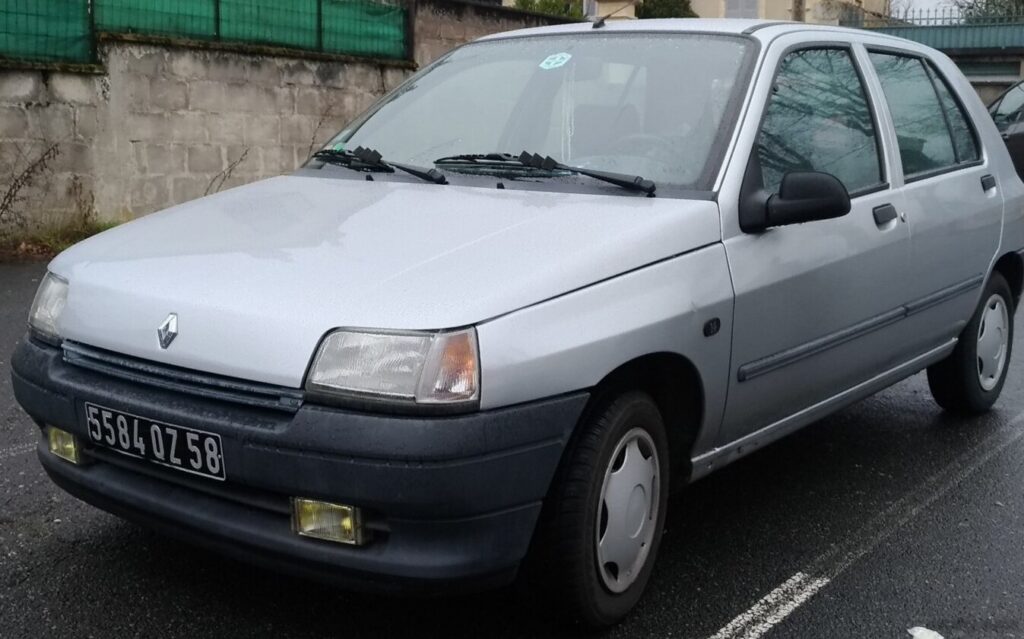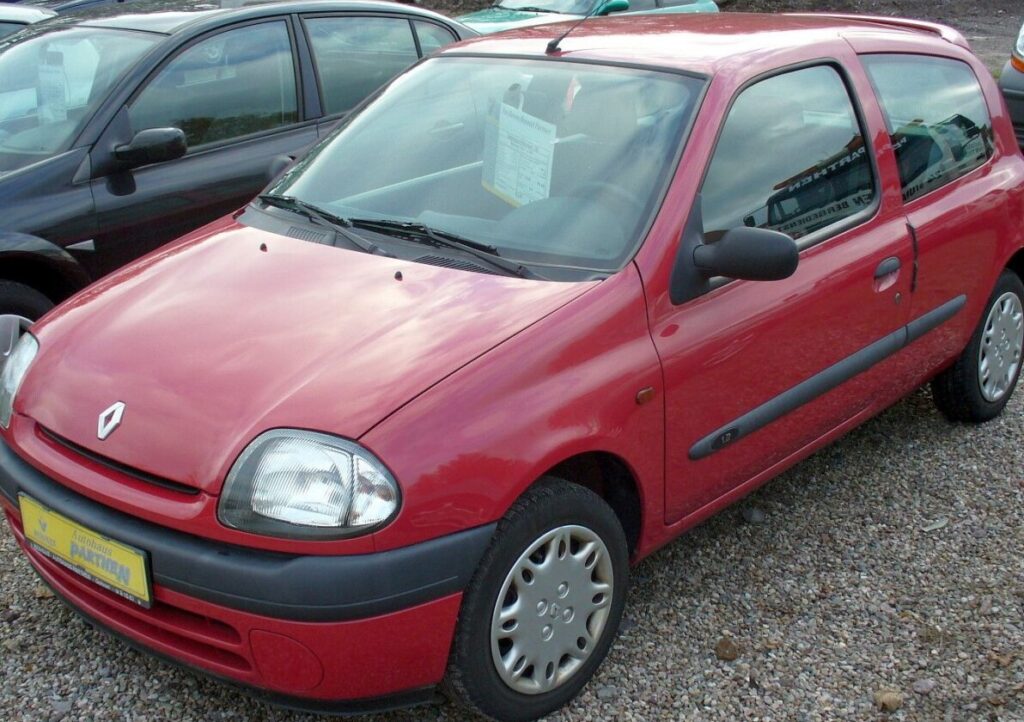
The Renault Clio II (Phase I) 3-door 1.9 D, produced between 1998 and 2001, represented an entry-level offering within the second generation Clio range (the 1HX0/A3 platform). This variant was specifically targeted at buyers prioritizing fuel economy and low running costs over outright performance. It served as the diesel-powered base model, positioned below the petrol-powered versions and higher-specification diesel trims. The 1.9 D offered a practical and affordable hatchback option in the competitive European small car market.
Powertrain & Engine Architecture
The heart of the Clio II 1.9 D is the Renault F8Q engine, a 1.870-liter (114.11 cubic inches) inline four-cylinder diesel engine. This engine utilizes precombustion chamber injection, a system common in diesel engines of the era. Unlike direct injection systems, precombustion chambers housed a glow plug and a small auxiliary combustion chamber where fuel was initially ignited, then transferred to the main cylinder. This design contributed to smoother combustion and reduced engine noise, though at the expense of some efficiency compared to later direct injection technologies. The F8Q engine features an overhead camshaft (OHC) valvetrain with two valves per cylinder.
The engine produced 64 horsepower (Hp) at 4500 rpm and 118 Newton-meters (87.03 lb-ft) of torque at 2250 rpm. The engine’s compression ratio was relatively high at 21.5:1, typical for diesel engines, maximizing efficiency. Engine oil capacity was 5.2 liters (5.49 US quarts / 4.58 UK quarts), and Renault specified a particular oil grade for optimal performance and longevity. The cooling system held 7.4 liters (7.82 US quarts / 6.51 UK quarts) of coolant.
Transmission
The 1.9 D variant was exclusively offered with a five-speed manual transmission. An automatic transmission was not available for this specific engine configuration. The gearbox was a standard, fully synchronized unit, designed for durability and ease of maintenance. The gear ratios were optimized for fuel efficiency and low-speed drivability, reflecting the engine’s torque characteristics.
Driving Characteristics
The Clio II 1.9 D, with its 64 hp and 118 Nm of torque, offered modest performance. Acceleration from 0 to 100 km/h (0-62 mph) took approximately 15.4 seconds, and 0 to 60 mph was achieved in around 14.6 seconds. The top speed was 161 km/h (100.04 mph). The engine’s torque was available from relatively low engine speeds, providing adequate pulling power for everyday driving situations. However, overtaking maneuvers required careful planning, and the engine could feel strained at higher speeds or when carrying a full load.
Compared to the petrol-powered Clio II variants, the 1.9 D offered significantly better fuel economy but considerably slower acceleration. The higher-output diesel versions, such as the 1.9 TDI, provided a noticeable performance upgrade, but at a higher purchase price and potentially increased maintenance costs. The manual transmission allowed for greater driver control and contributed to the car’s fuel efficiency.
Equipment & Trim Levels
The Clio II 1.9 D (Phase I) 3-door was typically equipped with basic, functional features. Standard equipment generally included power steering, central locking, and front disc brakes. Interior upholstery was typically a durable cloth material. The dashboard layout was simple and straightforward, prioritizing practicality over luxury.
Optional extras available for this trim level included power windows, air conditioning, and an upgraded audio system. Higher trim levels, such as the RT and Alizé, offered more comprehensive equipment lists, including alloy wheels, metallic paint, and additional comfort features. However, these trims were typically paired with more powerful engines.
Chassis & Braking
The Clio II 1.9 D featured a front-engine, front-wheel-drive layout. The front suspension utilized an independent McPherson strut design, providing a reasonable balance between ride comfort and handling. The rear suspension employed a coil spring and torsion beam setup, which was cost-effective and space-efficient.
Braking was provided by disc brakes on the front wheels and drum brakes on the rear wheels. An Anti-lock Braking System (ABS) was included as standard, enhancing braking performance and safety. The steering system was a rack and pinion type with hydraulic power assistance, providing light and precise steering feel. The car rode on 165/70 R13 tires mounted on 13-inch steel wheels.
Market Reception & Comparison
The Renault Clio II 1.9 D was generally well-received by critics as a practical and economical small car. Its fuel efficiency was a major selling point, particularly in Europe where diesel fuel was often cheaper than gasoline. However, its performance was often criticized as being underwhelming, especially when compared to more powerful alternatives.
In terms of fuel economy, the 1.9 D achieved approximately 7.9 l/100 km (29.8 US mpg / 35.8 UK mpg) in urban driving and 4.9 l/100 km (48 US mpg / 57.6 UK mpg) on the open road. Reliability was generally good, although the precombustion chamber injection system required periodic maintenance. Compared to the petrol-powered Clio II models, the 1.9 D offered superior fuel economy but lower performance. The higher-specification diesel trims provided a better balance of performance and economy, but at a higher cost.
Technical Specifications
| Brand | Renault |
| Model | Clio |
| Generation | Clio II (Phase I) 3-door |
| Type (Engine) | 1.9 D (64 Hp) |
| Start of production | 1998 |
| End of production | 2001 |
| Engine Displacement | 1870 cm3 (114.11 cu. in.) |
| Number of Cylinders | 4 |
| Engine Configuration | Inline |
| Fuel Type | Diesel |
| Power | 64 Hp @ 4500 rpm |
| Torque | 118 Nm @ 2250 rpm (87.03 lb.-ft. @ 2250 rpm) |
| Compression Ratio | 21.5:1 |
| Fuel Injection System | Precombustion chamber injection |
| Valvetrain | OHC |
| Transmission | 5-speed manual |
| Drive Wheels | Front wheel drive |
| Kerb Weight | 975 kg (2149.51 lbs.) |
| Maximum Speed | 161 km/h (100.04 mph) |
| 0-100 km/h | 15.4 sec |
| Fuel Consumption (Urban) | 7.9 l/100 km (29.8 US mpg / 35.8 UK mpg) |
| Fuel Consumption (Extra Urban) | 4.9 l/100 km (48 US mpg / 57.6 UK mpg) |
| Fuel Tank Capacity | 50 l (13.21 US gal / 11 UK gal) |
| Trunk Space (Minimum) | 255 l (9.01 cu. ft.) |
| Trunk Space (Maximum) | 1035 l (36.55 cu. ft.) |
Legacy
The Renault Clio II 1.9 D, while not known for its performance, proved to be a reliable and economical workhorse for many owners. The F8Q engine, despite its age, is generally considered to be a durable unit, capable of high mileage with proper maintenance.
In the used car market today, these Clios are often sought after by buyers looking for an affordable and fuel-efficient city car. However, potential buyers should be aware of the age-related issues common to older vehicles, such as corrosion and wear and tear on suspension components. The precombustion chamber injection system may require attention, and finding qualified mechanics familiar with this technology can be challenging. Despite these potential issues, the Clio II 1.9 D remains a popular choice for those seeking a simple, practical, and economical hatchback.