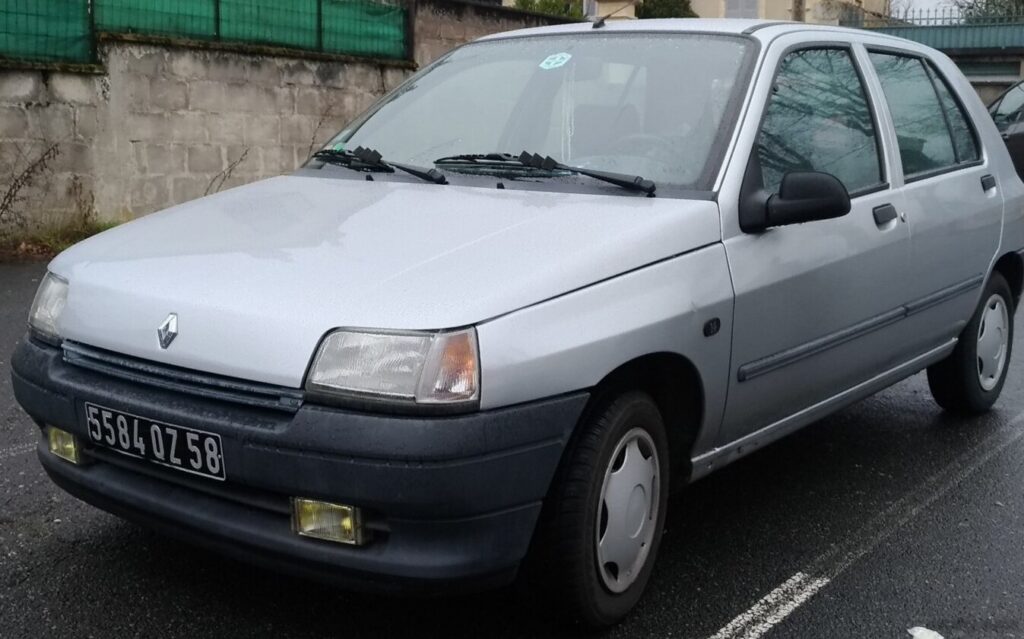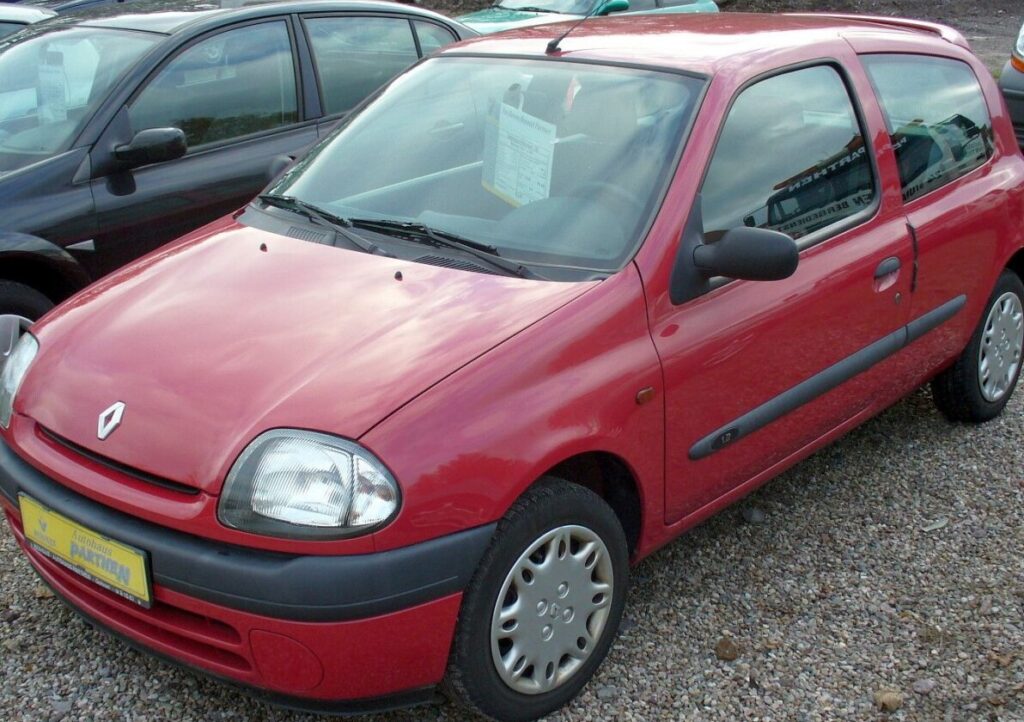
The Renault Clio II (Phase I) 2.0 16V Sport, produced briefly in 2000, represented a performance-oriented variant within the second generation Clio range (1998-2012). This 3-door hatchback aimed to deliver a more engaging driving experience than the standard Clio models, slotting in as the flagship performance trim before the introduction of more focused Renault Sport models. The Phase I cars, built between 1998 and 2001, established the foundation for the successful Clio II platform, and the 2.0 16V Sport was a key component in building the model’s reputation.
Powertrain & Engine Architecture
The heart of the Clio II 2.0 16V Sport is the Renault F4R engine, a 1998cc (121.93 cu. in.) inline-four cylinder naturally aspirated gasoline engine. This engine, a staple in many Renault and Peugeot models of the era, is characterized by its robust construction and responsive power delivery. The ‘16V’ designation indicates a four-valve-per-cylinder configuration, enhancing breathing and contributing to the engine’s 169 horsepower output at 6250 rpm. Peak torque of 200 Nm (147.51 lb-ft) is achieved at 5400 rpm. The engine utilizes multi-port fuel injection, a common system for the time, providing precise fuel delivery for optimal combustion. The valvetrain is a double overhead camshaft (DOHC) design, further optimizing valve control and engine efficiency.
The engine’s oil capacity is 5.1 liters (5.39 US qt | 4.49 UK qt), and it requires a specific oil specification (details typically found in the owner’s manual). The cooling system holds 7 liters (7.4 US qt | 6.16 UK qt) of coolant. The F4R engine is known for its relative simplicity and durability, although regular maintenance is crucial for longevity. The engine is transversely mounted in the front of the vehicle, driving the front wheels.
Transmission
The 2.0 16V Sport was exclusively equipped with a 5-speed manual transmission. This gearbox was chosen to complement the engine’s performance characteristics, providing drivers with full control over the power delivery. The gear ratios were tuned for spirited driving, offering a balance between acceleration and cruising efficiency. While an automatic transmission was available on other Clio II models, it was not offered with the high-output 2.0 16V engine, reflecting the sporty intent of this variant.
Driving Characteristics
The Clio II 2.0 16V Sport delivers a noticeably more engaging driving experience compared to lower-spec Clio models. The 169 hp engine provides brisk acceleration, achieving 0-100 km/h (0-62 mph) in approximately 7.3 seconds, and 0-60 mph in around 6.9 seconds. The engine feels responsive throughout the rev range, encouraging drivers to explore its capabilities. The 5-speed manual transmission allows for precise gear changes, enhancing driver involvement. The relatively lightweight construction of the Clio II (1035 kg / 2281.78 lbs) contributes to its nimble handling. The steering is direct and provides good feedback, making the car enjoyable to drive on winding roads. Compared to the standard 1.4 or 1.6 liter engines, the 2.0 16V Sport offers a significant performance upgrade, making it a more appealing option for driving enthusiasts.
Equipment & Trim Levels
The 2.0 16V Sport trim level was relatively well-equipped for its time, although it wasn’t a luxury-focused specification. Standard features typically included power steering, ABS (Anti-lock Braking System), and front ventilated disc brakes. Interior appointments included sport seats, often upholstered in a combination of cloth and patterned materials. The dashboard layout was functional and driver-focused. Optional extras could include air conditioning, electric windows, and a radio/cassette player. The emphasis was on providing a sporty and practical package, rather than lavish comfort features.
Chassis & Braking
The Clio II 2.0 16V Sport utilizes a McPherson strut independent suspension at the front and a coil spring torsion beam suspension at the rear. This setup provides a good balance between ride comfort and handling performance. The front suspension incorporates a stabilizer bar to reduce body roll during cornering. The braking system features ventilated discs at the front and solid discs at the rear, providing adequate stopping power for the car’s performance capabilities. The tires are typically sized 195/50 R15, mounted on 7J x 15 inch alloy wheels. The chassis was reinforced in certain areas compared to the standard Clio to handle the increased power and stresses of spirited driving.
Market Reception & Comparison
The Clio II 2.0 16V Sport was generally well-received by automotive critics, who praised its lively performance and engaging handling. It was often compared favorably to other hot hatchbacks of the era, such as the Peugeot 206 GTI and the Volkswagen Polo GTI. While not as refined as some of its competitors, the Clio offered a compelling combination of performance and affordability. Fuel economy was reasonable for a performance car of its time, with urban consumption around 10.5 l/100 km (22.4 US mpg), and extra-urban consumption around 6.4 l/100 km (36.8 US mpg). Reliability was generally good, although regular maintenance was essential to prevent issues. Compared to the lower-powered Clio variants, the 2.0 16V Sport represented a significant step up in performance and driving enjoyment, but it also came with a higher price tag and slightly increased running costs.
Technical Specifications
| Engine Model/Code | F4R |
| Engine Displacement | 1998 cm3 (121.93 cu. in.) |
| Number of Cylinders | 4 |
| Engine Configuration | Inline |
| Cylinder Bore | 82.7 mm (3.26 in.) |
| Piston Stroke | 93 mm (3.66 in.) |
| Compression Ratio | 11:1 |
| Number of Valves per Cylinder | 4 |
| Fuel Injection System | Multi-port manifold injection |
| Engine Aspiration | Naturally aspirated |
| Valvetrain | DOHC |
| Engine Oil Capacity | 5.1 l (5.39 US qt | 4.49 UK qt) |
| Coolant Capacity | 7 l (7.4 US qt | 6.16 UK qt) |
| Kerb Weight | 1035 kg (2281.78 lbs.) |
| Max. Weight | 1490 kg (3284.89 lbs.) |
| Trunk (boot) space – minimum | 255 l (9.01 cu. ft.) |
| Trunk (boot) space – maximum | 1035 l (36.55 cu. ft.) |
| Fuel Tank Capacity | 50 l (13.21 US gal | 11 UK gal) |
| Length | 3773 mm (148.54 in.) |
| Width | 1640 mm (64.57 in.) |
| Height | 1409 mm (55.47 in.) |
| Wheelbase | 2473 mm (97.36 in.) |
| Transmission | 5-speed manual |
| Acceleration 0 – 100 km/h | 7.3 sec |
| Maximum Speed | 220 km/h (136.7 mph) |
Legacy
The Renault Clio II 2.0 16V Sport, while a short-lived model, played a significant role in establishing the Clio as a desirable hot hatchback. The F4R engine proved to be durable and reliable when properly maintained. Today, these cars are becoming increasingly sought after by enthusiasts and collectors. Finding well-maintained examples can be challenging, as many have been subjected to hard use or neglected over the years. Common issues include wear and tear on suspension components, corrosion, and potential oil leaks. However, the Clio II 2.0 16V Sport remains a rewarding car to own and drive, offering a classic hot hatchback experience. Its relative affordability and simple mechanicals make it an attractive option for those seeking a fun and engaging driving machine.