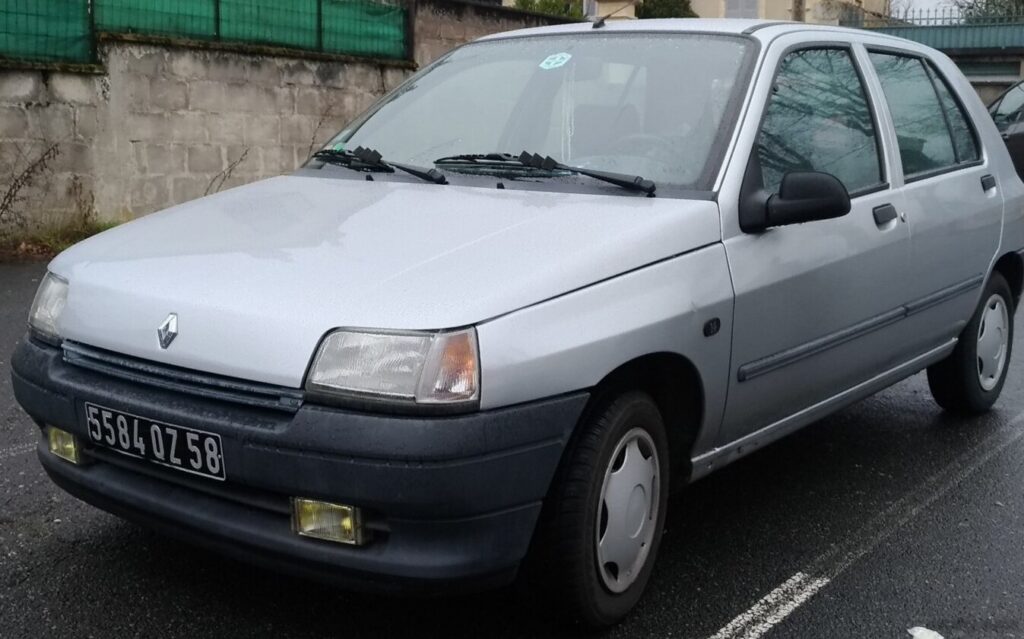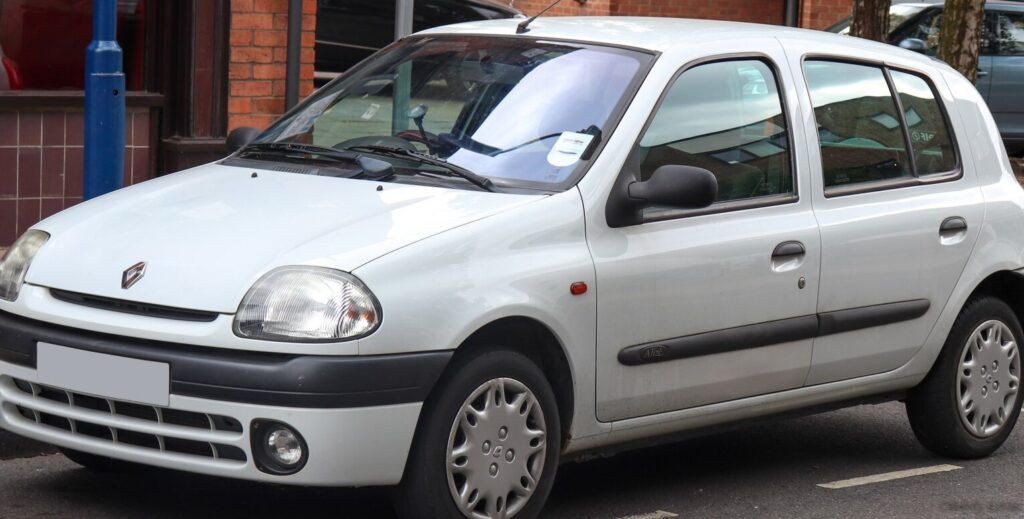
The Renault Clio II Phase I, launched in 1998 as a replacement for the highly successful first-generation Clio, represented a significant step forward in design, safety, and refinement for the French automaker. Produced from 1998 to 2001 for this initial phase, the Clio II quickly became a European best-seller. Among the various engine and trim combinations offered, the 5-door 1.4 16V model producing 98 horsepower (hp) occupied an important position as a practical and affordable option for families and new drivers. This variant aimed to balance fuel efficiency with adequate performance, making it a popular choice in the competitive small hatchback segment.
The 1.4 16V: Positioning and Target Audience
The 1.4 16V 98 hp engine represented a mid-range offering within the Clio II Phase I lineup. Below it sat the 1.2 8V engine, geared towards maximum economy and representing the entry point to the range. Above it were the more powerful 1.6 16V and the performance-oriented 2.0 16V (RS) models, as well as diesel options like the 1.9 dTi. The 1.4 16V was specifically targeted at buyers who needed a versatile, five-door hatchback with enough power for everyday driving, including occasional highway trips, without incurring the higher costs associated with the more potent engines. It was a sensible choice for those prioritizing practicality and value.
Powertrain & Engine Architecture
The heart of this Clio variant is the Renault K4J engine, a 1.4-liter inline-four cylinder gasoline engine. This engine, part of Renault’s K-series, is characterized by its all-aluminum construction, contributing to a relatively lightweight design. The ‘16V’ designation indicates the engine features four valves per cylinder, enhancing breathing and overall performance. The engine displaces 1390 cm³ (84.82 cubic inches) and produces 98 hp at 6000 rpm, with a torque output of 127 Nm (93.67 lb-ft) at 3750 rpm.
Fuel delivery is managed by a multi-port fuel injection system, providing precise fuel metering for optimal combustion. The engine utilizes a double overhead camshaft (DOHC) valvetrain, further improving valve control and contributing to the engine’s responsiveness. The K4J engine is naturally aspirated, meaning it does not employ a turbocharger or supercharger.
The 1.4 16V was typically paired with a five-speed manual transmission, however, an optional four-speed automatic transmission was available, and is the focus of this article. This automatic transmission, while providing convenience, was known to slightly diminish acceleration and fuel economy compared to the manual counterpart. The automatic featured standard torque converter technology and was designed for smooth, if not particularly sporty, gear changes.
Transmission Details
The four-speed automatic transmission used in the Clio II 1.4 16V was a conventional hydraulic automatic. Gear ratios were optimized for fuel efficiency and comfortable cruising, rather than outright performance. First gear was relatively short for quick acceleration from a standstill, while higher gears were spaced to reduce engine speed at highway speeds. While reliable, this transmission wasn’t known for its rapid shifting or advanced features found in more modern automatic gearboxes.
Driving Characteristics
The 1.4 16V automatic Clio II offered a comfortable and predictable driving experience. Acceleration from 0 to 100 km/h (0-62 mph) took approximately 10.7 seconds, which was adequate for everyday driving but noticeably slower than the manual version or the higher-powered 1.6 16V. The automatic transmission, while convenient, did result in some power loss and a less engaging driving experience. The engine felt reasonably responsive at lower speeds, providing sufficient power for urban driving and overtaking maneuvers. However, when fully loaded or climbing hills, the engine could feel strained, requiring the transmission to downshift frequently. The steering was light and precise, making the Clio easy to maneuver in tight spaces. Overall, the driving experience was geared towards comfort and ease of use rather than sporty performance.
Equipment & Trim Levels
The Clio II Phase I 1.4 16V typically came equipped with a reasonable level of standard features. These included power steering, central locking, electric front windows, and an adjustable steering column. Safety features included driver and passenger airbags. Interior upholstery was typically cloth, with a simple and functional dashboard layout. Optional extras included air conditioning, alloy wheels, a radio/cassette player, and upgraded interior trim. Higher trim levels, such as the ‘RT’ or ‘Exception’ variants, added more features as standard, such as air conditioning, upgraded upholstery, and a sunroof. The 5-door configuration provided excellent practicality, with ample space for passengers and luggage. Trunk space measured 255 liters (9.01 cubic feet) with the rear seats up, expanding to 1035 liters (36.55 cubic feet) with the seats folded down.
Chassis & Braking
The Clio II Phase I utilized a front-wheel-drive layout with independent front suspension using a McPherson strut setup. The rear suspension employed a torsion beam arrangement, which was a cost-effective solution that provided a comfortable ride. The front brakes were disc brakes, providing good stopping power, while the rear brakes were drum brakes, a common feature on this class of vehicle to keep costs down. Anti-lock Braking System (ABS) was available as an option, enhancing safety by preventing wheel lockup during hard braking. The chassis was relatively lightweight, contributing to the car’s nimble handling. Stabilizer bars were fitted to both the front and rear axles to reduce body roll during cornering.
Market Reception & Comparison
The Renault Clio II 1.4 16V was generally well-received by automotive critics as a practical and affordable hatchback. It was praised for its comfortable ride, spacious interior, and fuel efficiency. However, the automatic transmission was often criticized for its sluggish performance and lack of responsiveness. Compared to the manual version, the automatic offered a noticeable compromise in terms of acceleration and fuel economy. The 1.6 16V offered significantly more power and a more engaging driving experience, but at a higher price point. The 1.2 8V was more economical but lacked the power needed for confident highway driving. Overall, the 1.4 16V automatic struck a balance between affordability, practicality, and performance, making it a popular choice for a wide range of buyers.
Fuel economy figures were respectable for the time, with combined fuel consumption averaging around 7.3 l/100 km (32.2 US mpg, 38.7 UK mpg). Reliability was generally good, although some owners reported minor issues with the automatic transmission over time.
Technical Specifications
| Engine Type | Inline-4, 16V |
| Engine Displacement | 1390 cm³ (84.82 cu. in.) |
| Power Output | 98 hp @ 6000 rpm |
| Torque Output | 127 Nm (93.67 lb-ft) @ 3750 rpm |
| Fuel System | Multi-port Fuel Injection |
| Transmission | 4-speed Automatic |
| Drive Wheels | Front Wheel Drive |
| Kerb Weight | 1000 kg (2204.62 lbs) |
| Maximum Speed | 185 km/h (114.95 mph) |
| 0-100 km/h | 10.7 seconds |
| Fuel Consumption (Urban) | 8.8 l/100 km (26.7 US mpg) |
| Fuel Consumption (Extra Urban) | 5.2 l/100 km (45.2 US mpg) |
| Fuel Consumption (Combined) | 7.3 l/100 km (32.2 US mpg) |
| Fuel Tank Capacity | 50 liters (13.21 US gal) |
Legacy
The Renault Clio II 1.4 16V automatic, while not the most exciting variant in the lineup, proved to be a reliable and practical choice for many owners. The K4J engine is known for its durability and relatively low maintenance costs. Today, these cars are increasingly sought after by classic car enthusiasts and collectors. While finding a well-maintained example can be challenging, the Clio II 1.4 16V remains a testament to Renault’s ability to produce affordable and dependable vehicles. The automatic transmission, while not as desirable as the manual, still offers a comfortable and convenient driving experience for those seeking a classic French hatchback. Parts availability is generally good, making maintenance and repairs relatively straightforward. The Clio II 1.4 16V continues to hold a place in automotive history as a popular and well-regarded small car.